A pristine glass desk transforms your workspace into a sleek, modern sanctuary. But smudges, dust, and water spots can dull its shine in minutes. If you have ever wiped your desk only to be left with streaks or haze, you are not alone. How to keep glass desk clean is a common challenge for office workers and home decorators alike. The good news? With the right tools, technique, and daily habits, maintaining a crystal-clear surface is simple. This guide delivers professional-grade methods, user-tested products, and preventive strategies to keep your glass desk spotless without damaging it.
You will learn why buffing dry matters more than the cleaner you use, which cloths leave lint, and how to prevent scratches before they happen. Whether you are dealing with fingerprints, hard water spots, or daily dust, this is your complete roadmap to a flawless glass desk.
Dust Before You Clean
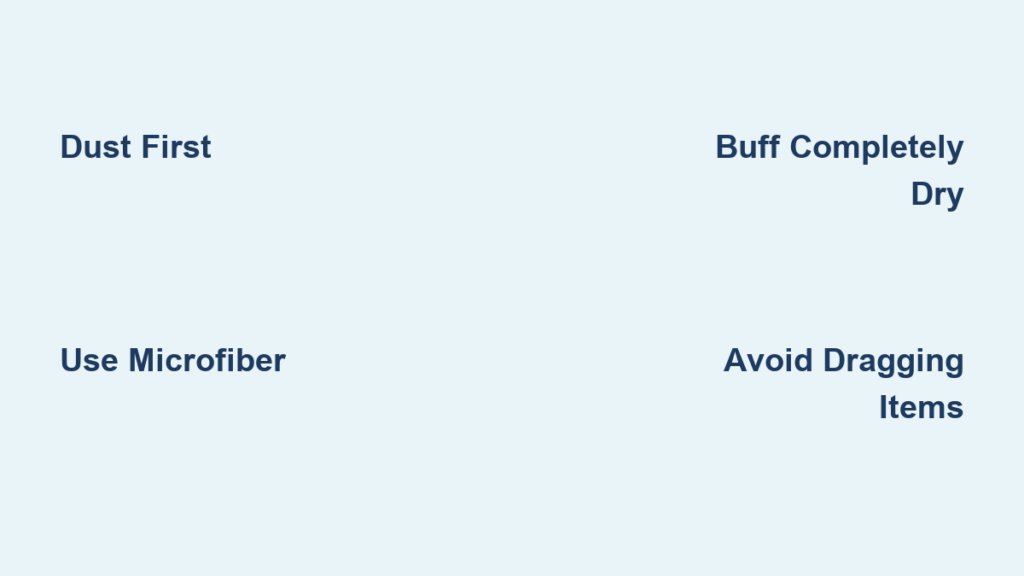
Removing loose debris is the first rule of glass care. Skipping this step turns dust into tiny abrasives that scratch the surface when you wipe with moisture.
Use the Right Dry Tools
Use a dry microfiber cloth for everyday dusting. Flat-weave types glide smoothly without shedding fibers. Electrostatic dusters or Swiffer tools pick up fine particles from corners and edges. Avoid feather dusters because they scatter dust rather than trap it. Wipe gently in straight lines or circles, and never press hard. Glass is strong, but micro-scratches accumulate over time.
Why Dusting Prevents Damage
Dust contains abrasive particles like silica and sand. When mixed with liquid cleaner and wiped across the surface, these particles act like polish on metal. For glass, that means unwanted micro-scratches that dull clarity over years. A quick 10-second dry wipe before wet cleaning preserves the desk’s shine and extends its lifespan significantly.
Choose the Best Cleaning Tools
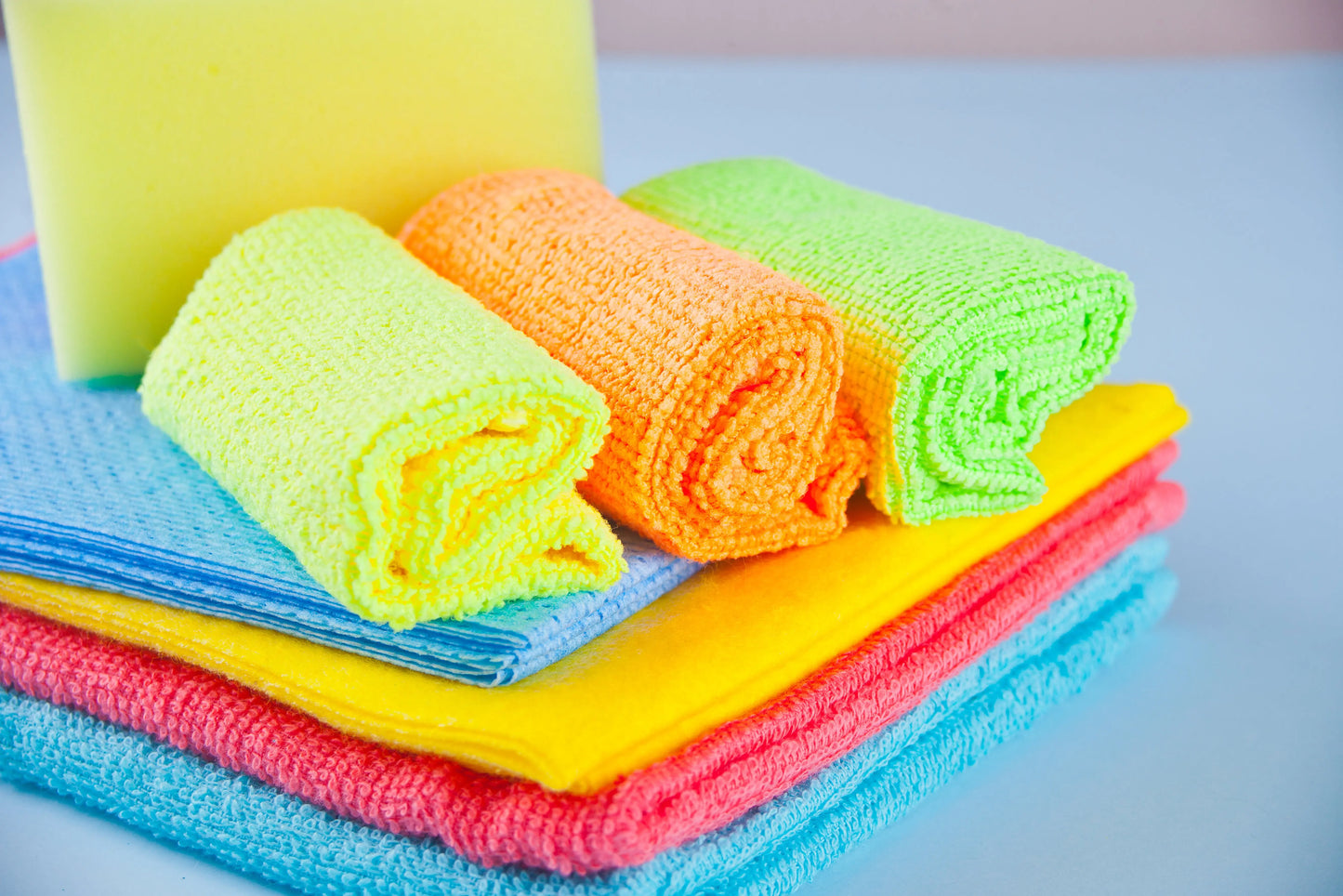
Your cloth and applicator make or break the final finish. Not all materials are safe for glass.
Microfiber Cloths Are Essential
Flat-weave microfiber outperforms terry cloth. It is smoother, leaves less lint, and resists pilling. These cloths are reusable and machine-washable, but avoid fabric softener because it clogs the fibers. Use one side damp for cleaning, then flip to the dry side for buffing. Recommended options include the HOMEXCEL 12-pack or Norwex glass cloth, which works with water only.
Squeegees for Large Surfaces
If your desk is wide or wall-to-wall, a squeegee delivers streak-free results like a professional window cleaner. Spray the cleaner evenly, then pull the squeegee in straight overlapping strokes vertically or horizontally. Wipe the blade with a cloth after each pass, and finish the edges with a microfiber cloth. This method works best for expansive L-shaped desks or conference tables.
Alternative Wiping Materials
When microfiber is not available, brown paper towels work better than white ones because they leave fewer streaks. Coffee filters are lint-free and slightly abrasive, making them great for final polish. Black-and-white newspaper works too because the ink oils help create shine. Never use colored print because the ink can transfer. Avoid standard paper towels long-term since they scratch and leave residue.
Top Cleaners for Streak-Free Results

The best cleaner depends on your water quality, sensitivity to fumes, and how often you clean.
Windex: Trusted and Effective
Windex Original and Windex with Vinegar both work well. The vinegar version cuts through grease and reduces streaks in hard water areas. Spray generously rather than skimming. A light misting spreads dirt instead of lifting it. Pair with microfiber for the best results.
Invisible Glass: Premium Choice
Users rate this as the best glass cleaner available. It is ammonia-free, so it is safe for tinted or coated glass. The formula evaporates fast, leaving less chance of residue. At about $5, it lasts for months. It is ideal for final buffing when perfection matters.
DIY Vinegar-Water Mix
For a natural, low-cost option, mix equal parts white vinegar and distilled water. Add a few drops of dish soap like Dawn for greasy fingerprints. Use distilled water because tap water leaves mineral spots, especially in hard water zones. Shake the spray bottle before each use.
Rubbing Alcohol Formula
This highly effective blend creates zero-streak shine. Mix 1 part rubbing alcohol, 1 part white vinegar, 1 part water, and half a teaspoon of dish soap. Spray lightly and wipe with microfiber, then buff dry. Benefits include disinfecting, fast evaporation, and excellent oil-cutting power. Dilute more (up to 2:1 water) for light cleaning tasks.
Follow the 3-Step Cleaning Method
This professional technique ensures clarity every time.
Step 1: Spray Cleaner Generously
Cover the entire surface, especially high-touch zones like the front edge where hands contact the glass, keyboard and mouse areas, and corners and seams. Do not forget the underside if you can access it. Use Windex, Invisible Glass, or your DIY mix, and let it sit 10 to 15 seconds to loosen grime.
Step 2: Wipe with Paper Towels
Use 3 to 5 white paper towels rolled tightly for grip and pressure. Wipe in straight lines or circles, avoiding random scrubbing. Fluff the towels between passes to expose clean layers. For sticky spots, reapply cleaner and focus on that area. This step removes oils and residue, so do not skip it even if using microfiber later.
Step 3: Buff Dry with Microfiber
This is the most important step. Use a clean, dry microfiber cloth to buff the entire surface with straight-line or circular motions. Keep buffing until no moisture remains. Inspect the glass under light. Any haze or streaks mean incomplete drying. User truth applies here: cleaner matters less than buffing the surface absolutely dry. Air-drying causes water spots, so always finish by hand.
Avoid Common Cleaning Mistakes
Even the best products fail when technique is wrong.
Using Too Little Cleaner
A light mist spreads dirt instead of dissolving it. The result is smears and streaks. Spray until the surface glistens slightly. You need enough liquid to lift grime.
Letting Cleaner Air-Dry
Evaporation leaves behind minerals and residue, especially with tap water. Always wipe dry. No exceptions.
Reusing Dirty Cloths
Old, grimy cloths transfer oils back onto the glass. Wash microfiber weekly, and use fresh paper towels each time.
Skipping the Dust Step
Wiping dust with a wet cloth creates micro-scratches. Dry dust first, every time.
Daily Habits to Reduce Cleaning
Prevention beats deep cleaning. These habits keep your desk clear with minimal effort.
Wipe Daily with Dry Cloth
Spend 20 seconds each morning using a dry microfiber cloth to remove fingerprints and dust. Focus on edges and the front corner. This takes less than a minute but prevents buildup.
Use Coasters and Felt Pads
Coasters prevent water rings from drinks. Felt pads stick under laptops, monitors, speakers, and decor. Both come in clear or colored options that are nearly invisible.
Avoid Eating Over Glass
Food crumbs, oil splatters, and sticky spills increase cleaning frequency. Use a tray for snacks, or place a placemat or desk pad in dining-adjacent areas.
Keep Supplies Nearby
Store a spray bottle of cleaner, a folded microfiber cloth, and spare paper towels within reach. Alternatively, pre-dampen a cloth and keep it in a sealed bag for quick wipe-downs.
Protect Your Glass Desk
Shield the surface to reduce cleaning needs and prevent damage.
Add a Glass Protector
A tempered glass top (⅜ inch to ½ inch) is durable and scratch-resistant. Frosted or clear options maintain the look while adding protection. Custom-cut the protector to fit exact dimensions. Simply lift it to clean underneath monthly.
Try a Desk Pad
Silicone, leather, or non-slip mats cover only the work zone. They preserve glass visibility while being easy to wipe or wash. This is ideal for typing and writing areas.
Use Acrylic or PVC Covers
These transparent covers are lightweight and less expensive than glass. Replace them when scratched. They work well for temporary protection or rental spaces.
Prevent Scratches and Damage
Glass is strong, but not invincible. Protect it from daily wear.
Lift, Do Not Drag
Always lift heavy or abrasive items like books, metal stands, and ceramic decor. Dragging creates fine scratches that dull the shine over time.
Know Your Glass Type
Tempered glass is 4 to 5 times stronger than regular glass and breaks into small blunt pieces if it fails. Laminated glass has a safety layer that holds it together if cracked. Textured or frosted glass hides fingerprints and scratches better than clear glass. For new desks, choose tempered glass that is ⅜ inch to ½ inch thick with beveled or polished edges.
Edge Care Tips
Beveled edges reduce chipping risk. Polished edges are smooth and safe. Avoid pencil edges because they chip more easily. Inspect edges monthly for damage.
Handle Special Situations
Some conditions require extra care.
Hard Water Areas
Mineral deposits cause cloudy film. Use distilled water in all sprays. Apply vinegar-based cleaner weekly. Buff extra thoroughly because minerals stick if not fully dried.
Vintage or Framed Desks
If your desk has brass, wood, or metal frames, avoid vinegar and alcohol on the frames because they cause tarnishing. Wipe the frame separately with an appropriate cleaner. Mask off metal before spraying glass.
Sun and Heat Exposure
UV rays cause glare and thermal stress. Hot laptops or mugs risk thermal shock and cracking. Reposition your desk away from direct sun, and use a laptop tray or coaster under warm devices.
When to Replace the Glass Top
Even well-maintained glass can degrade. Replace if you see deep scratches or etching that cannot be buffed out, edge chipping or cracks, persistent cloudiness after cleaning (sign of chemical damage), or loose fit or wobbling due to base wear.
Custom Replacement Options
Order from glass suppliers or online. Specify cut-to-size dimensions in any shape, tempered glass for safety, edge finishing (beveled or polished), and optional coatings like UV protection or glare reduction. Measure carefully, taking multiple readings for rectangles or making a cardboard template for curves. Verify that the base can support the new glass weight.
Final Tips for Long-Term Shine
Glass desks reward consistency. Follow these final tips to keep yours flawless.
Weekly Maintenance Routine
Perform daily dusting every morning. Schedule a deep clean once a month. Clean the underside monthly. Inspect felt pads bi-weekly. Replace worn protectors as needed.
User-Tested Wisdom
One long-term user reports treating a glass desk like a dining table, wiping after use and cleaning weekly. Another user discovered that rubbing alcohol and newspaper deliver no streaks. The game-changer is the technique.
The Bottom Line
Technique beats product. Even cheap cleaners work if you dust first, clean thoroughly, and buff completely dry. Invest in flat-weave microfiber cloths, a good squeegee for large desks, felt pads and coasters, and a custom glass protector. With the right routine, your glass desk stays bright, clear, and modern for years. The elegance it brings to your room is absolutely worth the few seconds of daily care.
Frequently Asked Questions About Keeping Glass Desks Clean
How often should I clean my glass desk?
Clean daily with a dry microfiber cloth for quick maintenance, and perform a deep clean with spray cleaner once a week. High-traffic areas or desks near kitchens may need more frequent attention.
What is the best way to clean fingerprints off glass desk?
Spray a glass cleaner generously, wipe with a paper towel to remove oils, then buff completely dry with a clean microfiber cloth. For light fingerprints, a damp microfiber followed by dry buffing also works.
Can I use vinegar on my glass desk?
Yes, vinegar works well as a cleaner. Mix equal parts white vinegar and distilled water in a spray bottle. Avoid letting it air-dry; always wipe it completely dry to prevent streaks.
Why does my glass desk look streaky after cleaning?
Streaks appear when cleaner is allowed to air-dry or when buffing is incomplete. Always wipe dry with a microfiber cloth after applying any cleaner. Using too little cleaner can also cause smearing instead of proper cleaning.
How do I prevent scratches on my glass desk?
Dust with a dry cloth before wet cleaning to remove abrasive particles. Lift items instead of dragging them across the surface. Use felt pads under electronics and decor.
What is the best cleaner for hard water stains?
Use distilled water in your cleaning solutions to avoid mineral deposits. Apply a vinegar-based cleaner weekly to dissolve existing buildup, and buff extra thoroughly since minerals stick if not fully dried.
Key Takeaways for Keeping Your Glass Desk Clean
Maintaining a pristine glass desk comes down to three essential practices. First, always dust before wet cleaning to prevent micro-scratches from abrasive particles. Second, apply cleaner generously and buff completely dry with a microfiber cloth. Third, establish daily habits like quick morning wipes and using coasters to prevent buildup. With the right tools (flat-weave microfiber, quality cleaner, and optionally a squeegee for large surfaces) and consistent technique, your glass desk remains crystal-clear and elegant for years. The minimal daily effort pays off in the modern, bright workspace you will enjoy every day.