You’ve likely seen them on Instagram, in home office tours, or at your coworker’s setup. Those stunning wood desks that look like they cost thousands are often simple IKEA hacks using the Karlby countertop. This kitchen worktop has become the go-to solution for anyone wanting a premium-looking desk without the premium price tag. Building a Karlby desk is straightforward, but there are critical mistakes that can cause wobbling, sagging, or permanent damage if you skip the important steps.
This guide walks you through selecting the right Karlby size, choosing a support system that won’t wobble, sealing the surface properly, and adding cable management that keeps your setup clean. You’ll learn exactly which IKEA parts work together, where to add reinforcement, and how to avoid the pitfalls that trip up first-time builders.
Choose the Right Karlby Countertop Size
Select 74-Inch or 98-Inch Length
The Karlby comes in two standard lengths: 74 inches (188 cm) and 98 inches (249 cm). Both options are 25.63 inches wide and 1.5 inches thick. The 74-inch version fits most rooms and pairs perfectly with two Alex drawer units side by side. The 98-inch version works for dual-user setups or L-shaped configurations, but it requires extra support to prevent sagging.
The 74-inch Karlby weighs approximately 66 lbs, making it heavy enough to stay stable on drawer units without screws. The longer 98-inch version weighs more and creates more stress on the support points, which is why adding a center leg becomes essential rather than optional.
Pick Your Preferred Finish
The Karlby features a 3 mm real wood veneer over a particleboard core, giving it the look of solid wood at a fraction of the cost. Available finishes include walnut (the most popular choice), dark oak, black stain, beech, pine, and oak-teak. Walnut delivers warm, rich tones that pair well with most office aesthetics. Black stain suits modern gaming setups with RGB lighting. Lighter finishes like beech and pine create a Scandinavian minimalist look.
One critical detail: the Karlby arrives unsealed. The veneer is vulnerable to water stains, ink, and hand oils. Plan to apply a protective finish during assembly unless you want permanent damage from the first coffee spill.
Pair Karlby with IKEA Alex Drawers

Why Alex Units Work Best
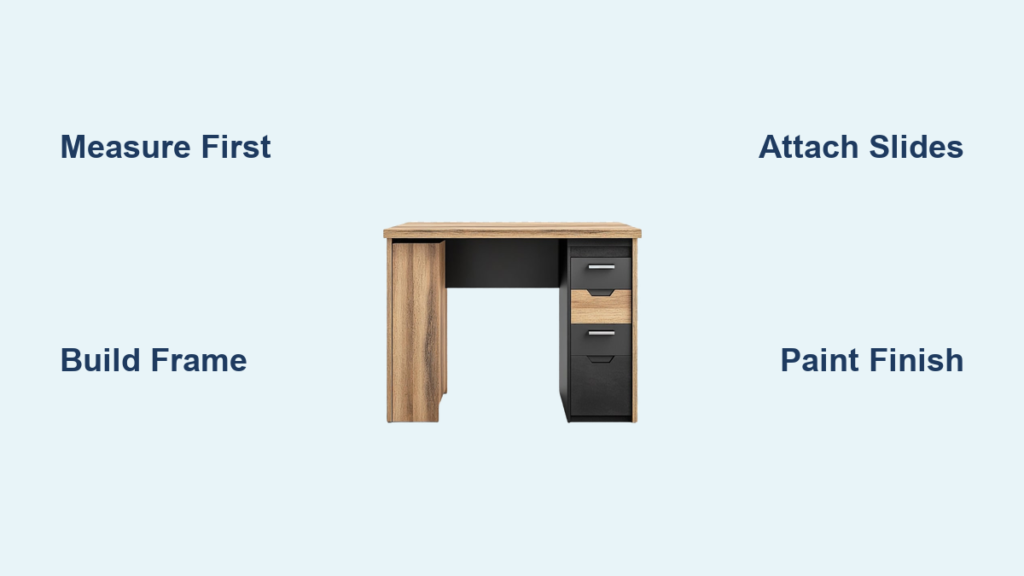
The IKEA Alex drawer unit is the most popular base for Karlby desks, and for good reason. Each unit measures 22.88 inches wide by 18.11 inches deep by 29.53 inches tall and provides three drawers with a 33 lb capacity each. Two Alex units placed side by side support the full 74-inch width of the Karlby with minimal front overhang.
The Alex units offer several advantages. They provide built-in storage for office supplies, papers, and tech gear. They create a low center of gravity that prevents tipping. They assemble in about 30-45 minutes with basic tools. They typically cost $99 each and frequently go on sale for $79.
The setup is simple: place the Karlby directly on top of the two Alex units. The 66 lb weight of the countertop keeps it secure. Some users add the plastic feet that come with the Alex units on top of the drawers to increase grip and prevent any sliding.
Handle the 7 cm Depth Overhang
Here’s the catch with this combination: the Karlby is deeper than the Alex drawers. The Karlby measures 25.63 inches deep while the Alex is only 18.11 inches deep. This creates a 7 cm (approximately 2.75 inch) overhang at the back of the desk.
This overhang is unavoidable if you use standard Alex units, but it’s manageable. Position the overhang at the rear of your desk so the front and sides remain clean. Never place heavy equipment like PC towers on the unsupported overhang section, as the particleboard can crack under concentrated weight. Use felt pads between the countertop and drawer tops to prevent scratches during placement.
Install Adils Legs for Support

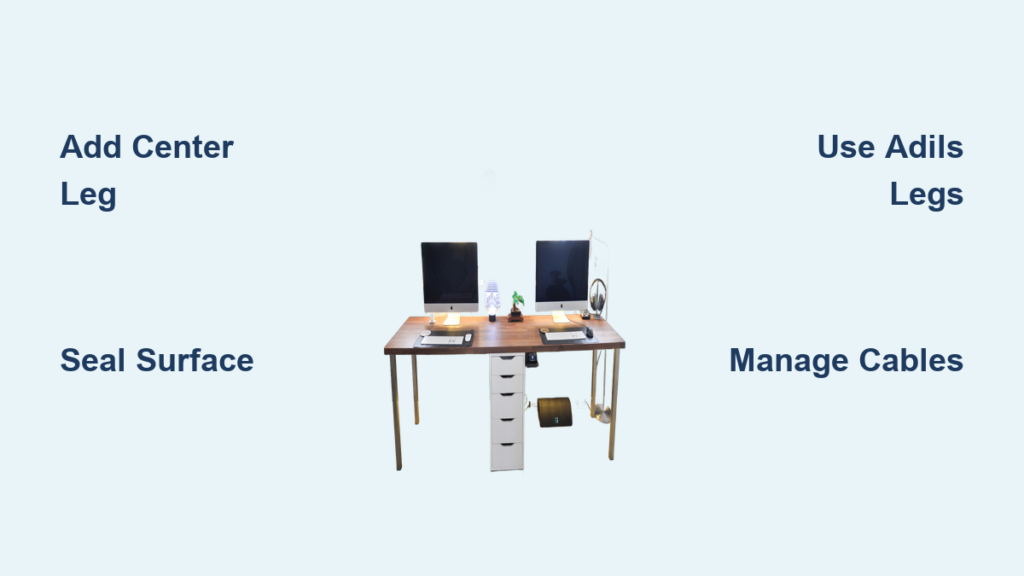
Add a Center Support Leg
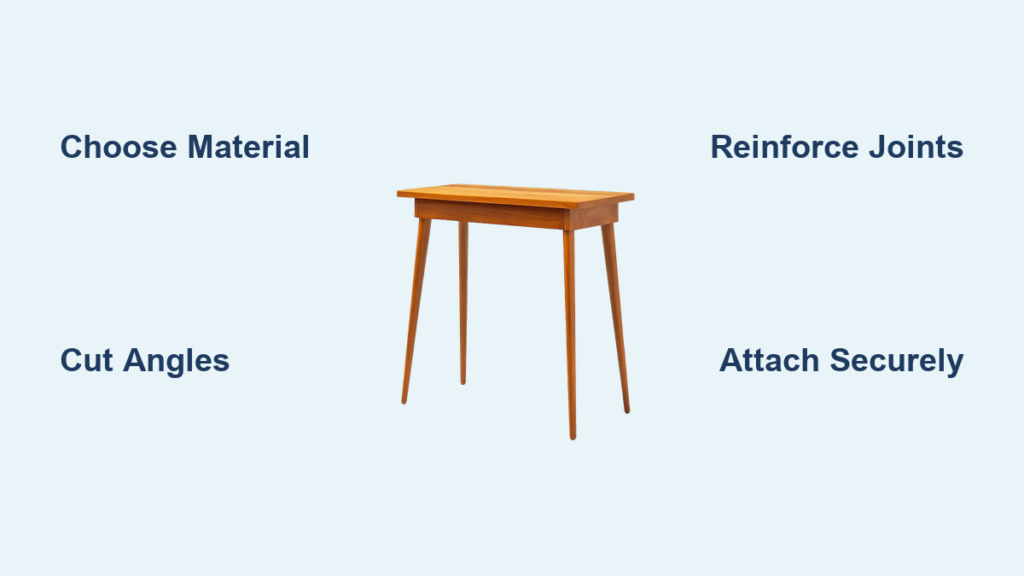
For a cleaner, leg-only design that maximizes under-desk space, IKEA Adils legs offer a strong alternative. These steel legs are adjustable from 24.4 to 29.5 inches in height and support up to 110 lbs each. They’re available in black, white, and chrome finishes to match your aesthetic.
For a 74-inch desk using Adils legs, install three legs: two at the front corners and one at the center rear. For a 98-inch desk, use four legs or add a center support leg to prevent flex. The installation requires drilling pilot holes into the underside of the Karlby, then attaching the legs with the included M6 screws. A power drill makes this process quick and secure.
Even with end supports, long Karlby spans can sag 1-2 mm over time, especially under the weight of dual monitors or a monitor arm. Adding a Sultan support leg (costing about $5) along the center rear edge prevents this sag and reduces front-to-back flex. This small investment dramatically improves rigidity.
Seal the Karlby Surface
Apply Protective Finish
Sealing the Karlby is strongly recommended for long-term durability. The unsealed veneer is susceptible to moisture damage, UV fading, and scratches from daily use. Without protection, a single spill can permanently stain the surface.
Polyurethane offers the most durable protection with water resistance, requiring 2-3 coats. Danish oil enhances the natural grain and provides a warm, organic feel but requires yearly reapplication. Water-based sealant provides low odor and easy cleanup but offers less protection than polyurethane.
The application process involves lightly sanding the surface and edges with 220-grit paper, wiping clean with a tack cloth, applying the first coat with a foam brush, letting it dry 4-6 hours, lightly sanding between coats, and applying 2-3 total coats. Allow 24 hours of drying time before placing items on the desk. Plan to reapply sealant every 1-2 years in high-use areas.
Manage Cables with IKEA Signum
Drill Internal Cable Holes
A clean desk requires smart cable management, and the IKEA Signum cable channel (model 30200253) delivers exactly that. This 39.4-inch plastic channel with a metal mounting bracket holds up to 10 cables and mounts easily to the underside of your desk or directly to the Alex drawer unit.
Installation involves mounting the bracket, routing your power strip, monitor cables, and USB hubs through the channel, then snapping the cover into place. The result is a tidy appearance with cables hidden from view.
For an even cleaner setup, drill a 1.5-inch hole through the back panel of the Alex drawer unit. This lets you route all cables inside the drawer cavity, where you can hide a UPS, NAS unit, or wireless router. Add an LED strip along the back edge for ambient lighting that enhances the workspace atmosphere.
Build an L-Shaped Karlby Desk

Reinforce L-Joints Properly
For larger spaces or dual-workstation needs, an L-shaped configuration using two Karlby tops at a 90-degree angle delivers excellent functionality. One builder used two Karlby tops with Alex units and 4-inch furniture risers to achieve an ergonomic height for a 6-foot-3 frame.
The key to a stable L-shaped build is reinforcing the corner joint. Use metal L-brackets or corner braces to secure the two sections together. Ensure both sections are level before tightening the brackets. Consider a corner cable raceway to manage wires at the junction point. This configuration works especially well in corner offices where maximizing surface area matters.
Maintain Your Karlby Desk Long-Term
Follow Care and Maintenance Tips
Your Karlby desk will last for years with proper care. Clean the surface with a damp cloth and avoid harsh chemicals that can damage the finish. Check leg screws every 6 months and tighten if they become loose. Reapply sealant every 1-2 years to maintain protection. Avoid placing the desk in direct sunlight to prevent UV fading of the veneer.
IKEA offers a 10-year limited warranty on Karlby, Alex, and Adils products, covering manufacturing defects but not misuse, moisture damage, or sagging from improper support. With appropriate care, expect the Karlby top to last 3-7 years, Alex drawers to last 10+ years, and solid wood upgrades to last 15+ years.
Frequently Asked Questions About Building a Karlby Desk
How Long Does It Take to Build a Karlby Desk?
Building a basic Karlby desk with two Alex drawers takes approximately 2-3 hours total. Assembling each Alex unit requires 30-45 minutes. Leg installation takes 15-30 minutes. Sealing adds 1-2 hours plus 24 hours of drying time. If you add cable management features or build an L-shaped configuration, plan for additional time.
Does the Karlby Countertop Sag Over Time?
The Karlby can sag 1-2 mm over time, particularly on spans over 74 inches with heavy central loads like dual monitors. Adding a center support leg significantly reduces this sag. Some users report no sagging after years of use, while others notice visible deflection within months. The $5 investment in a center leg is widely considered essential for long spans.
Can I Use the Karlby Without Sealing It?
Yes, you can use the Karlby without sealing it, but this risks permanent staining from spills, hand oils, and moisture. Many users skip sealing and accept the patina that develops. However, for longevity and protection against accidental spills, sealing is strongly recommended. The unsealed surface is specifically designed to accept various finishes.
What’s the Total Cost of a Karlby Desk Build?
A standard 74-inch Karlby desk build costs approximately $328 total. This includes the Karlby countertop ($199), two Alex drawer units ($198 if full price, or $158 on sale), three Adils legs ($15), and a Signum cable organizer ($15). Costs vary based on sales, chosen finishes, and whether you add accessories like center legs or standing desk frames.
Can I Cut the Karlby Countertop to Size?
You can cut the Karlby countertop to fit, but doing so voids the return eligibility and risks chipping the veneer. If cutting is necessary, use a circular saw with a fine-tooth blade and sand the cut edge smooth. Apply edge sealant to protect the exposed particleboard. Only cut if absolutely necessary, and consider having IKEA make the cut if they offer that service.
Is the Karlby Worth It Compared to Solid Wood?
The Karlby delivers the best value-to-aesthetic ratio for custom desks. It looks like solid wood at a fraction of the cost. The particleboard core can sag under heavy loads, unlike solid wood options like the IKEA Hammarp ($349 for 74 inches). For long-term heavy-duty use or professional settings, upgrading to Hammarp or custom solid wood is worth the investment. For most home offices, the Karlby hack provides exceptional value.
Key Takeaways for Building Your Karlby Desk
Building a Karlby desk requires attention to three critical areas: support, sealing, and cable management. Always use a center support leg for spans of 74 inches or larger to prevent sagging. Seal the surface with polyurethane or Danish oil to protect the veneer from stains and damage. Plan your cable routing during assembly rather than as an afterthought.
The total build cost of approximately $328 delivers a desk that looks far more expensive than it is. With proper reinforcement and maintenance, your Karlby desk will serve as a reliable workspace for years. Whether you’re setting up a home office, gaming station, or creative studio, this IKEA hack remains one of the most proven and popular desk builds available. Start with the 74-inch walnut Karlby, pair it with two Alex drawers, add a center leg, and seal the surface during your first weekend.