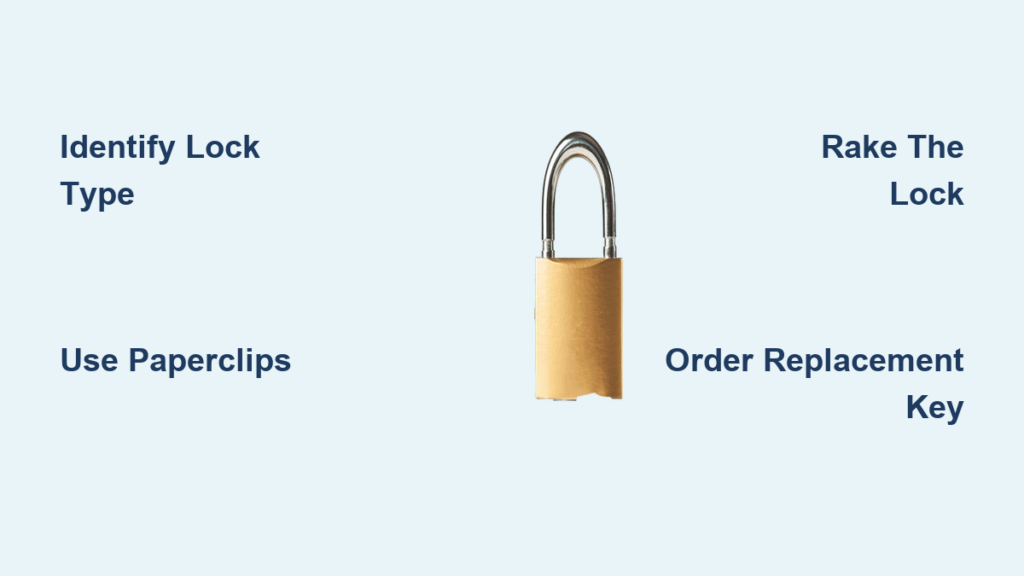
Losing the key to your desk drawer can feel like a minor disaster, especially when important documents or valuables are locked inside. Fortunately, most desk locks are low-security mechanisms designed more to deter casual access than to resist serious attempts. With the right technique and basic tools, you can learn how to pick a desk lock in just a few minutes. This guide covers everything from identifying your lock type to using household items as improvised tools, plus faster alternatives like ordering a replacement key.
You’ll discover proven picking techniques, household item alternatives, and what to do after gaining access to prevent future lockouts.
Identify Your Desk Lock Type
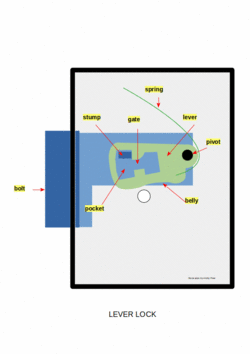
Knowing what kind of lock you’re dealing with is the first step in picking it successfully.
Lever-Bar Locks
These are the most common locks found on file cabinets and older desks. They use a five-pin, two-block mechanism where the bolt sits at the rear and disengages when the plug turns clockwise. These locks are notably easy to pick due to their loose tolerances.
What to look for:
– Rectangular keyhole shape
– Stamped code on the lock face (such as CH 751)
– Lock controls multiple drawers through internal linkage
Cam Locks
Cam locks are frequently used in metal drawer cabinets and card files. They rotate a cam arm to block the drawer, and many are keyed alike across multiple cabinets. These are particularly vulnerable to raking techniques.
Tubular Pin Tumbler Locks
Higher-end desks sometimes feature 7-pin tubular locks. These require specialized tubular picks but can still be defeated with raking techniques using the right approach.
Use the Right Picking Technique
Rake to Open in Seconds
Raking is the fastest method for most desk locks, especially low-security models. This technique involves rapid up-and-down motion while maintaining rotational tension.
Steps to rake a desk lock:
1. Insert a tension wrench into the bottom of the keyway
2. Apply light clockwise pressure as if turning a key
3. Insert a rake pick or bent paperclip and jiggle it rapidly in and out
4. Keep tension steady. When all pins jump to the shear line, the plug turns
Time to pick: 10 to 60 seconds for beginners
Success rate: High on standard office locks
Single-Pin Picking for Precision
If raking fails, switch to single-pin picking for better control. This method involves lifting each pin individually to its correct height.
Steps for single-pin picking:
1. Use a hook pick to feel each pin individually
2. Find the binding pin (the one under tension)
3. Lift it gently until it sets at the shear line
4. Repeat for each pin until the plug turns freely
This approach works best on worn or sticky locks where raking causes jams.
Pick With Household Items
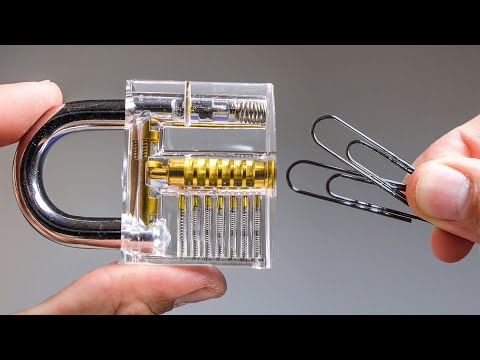
No lock pick set? No problem. Most desk locks can be opened with common household items.
Two Paperclips
This is the best DIY method for beginners.
What you need:
– One large paperclip straightened with a slight bend at the tip (acts as pick)
– One smaller paperclip bent 90 degrees at the end (acts as tension wrench)
Steps:
1. Insert the small clip into the bottom of the keyhole and apply light turning pressure
2. Use the straightened clip to push up on the pins one by one or rake quickly
3. When the plug turns, the lock opens
Threadcutter or Sewing Tool
A threadcutter from a sewing kit works surprisingly well because its dual prongs can rake pins and apply tension simultaneously.
How to use:
– Insert one prong into the keyway
– Use the blade edge to lift pins while turning the tool slightly
Flathead Screwdriver
For cam or lever locks with wider keyholes, insert the screwdriver and turn like a key. If it doesn’t turn, tap the handle sharply to mimic lock bumping.
Try Non-Destructive Alternatives First
Before picking, consider easier and safer options.
Look for a Key Code
Many desk locks have a three-digit or alphanumeric code stamped on the face. This code lets you order a replacement key online without any picking.
What to do:
1. Note the code visible on the lock
2. Search online or visit Easykey.com
3. Order a replacement key for $6.95 to $12
This method has an extremely high success rate since these codes are standardized across brands.
Order a Replacement Key
If the code is visible, ordering a replacement key means no picking needed, delivery in three to five days, and an exact fit with no damage to the lock.
Bump the Drawer Open
Some desk locks fail under impact due to poor internal tolerances.
Pull the Handle Forcefully
For older desks, grip the drawer handle firmly and yank sharply outward. The bolt may disengage due to slack in the mechanism.
Warning: This can damage drawer slides, so use it as a last resort.
Bump the Lock Open
- Insert a non-damaging tool like a plastic spudger into the keyhole
- Apply light turning pressure
- Tap the tool sharply with a hammer or mallet
This mimics lock bumping and can disengage pins instantly.
Drill Only as a Last Resort
Drilling gives immediate access but destroys the lock completely.
Steps to drill a desk lock:
1. Use a 1/8-inch drill bit
2. Center the bit on the middle of the keyway
3. Drill half an inch deep until the plug separates or the bolt retracts
4. Use a screwdriver to turn the remains and open the drawer
After drilling, replace the lock with a new one from office supply stores or online retailers.
Remove the Lock Cylinder
Some desk locks have a release pin or set screw on the back.
How to remove:
1. Access the desk from the side or back panel
2. Locate a small hole or screw behind the lock
3. Press the pin or unscrew the set screw
4. Pull the cylinder out
Once removed, take it to a locksmith to cut a key or impression one yourself.
Make a Key Using Impressioning
Impressioning lets you create a working key without knowing the code.
Tools needed:
– Blank key matching the keyway type
– Small machinist file
– Candle to blacken the key
– Vice or pliers to apply pressure
Steps:
1. Smoke the blank key with a candle to coat it in soot
2. Insert it into the lock and apply binding pressure (turn slightly)
3. Wiggle the key up and down to create wear marks
4. File down the marked areas
5. Repeat until the key turns smoothly
Time required: Approximately 20 minutes for beginners
Learn With Practice Kits
If you’re new to lock picking, start with a clear practice lock to build muscle memory and understand how pins behave.
Recommended approach:
– Purchase an inexpensive lock pick set from online retailers ($15 to $25)
– Practice with the included clear pin-tumbler lock to visualize internal mechanics
– Start with raking techniques before advancing to single-pin picking
Watch expert tutorials: The Lock Picking Lawyer on YouTube offers hundreds of videos on raking, single-pin picking, and bypass techniques specifically for office furniture locks.
Act Legally and Ethically
Only pick locks you own or have explicit permission to open.
Legal notes:
– Some states restrict carrying lock picks without a license
– Picking someone else’s desk lock may constitute trespass or theft
– Use these skills only for recovering lost keys, emergency access, or learning lock mechanics
What to Do After Picking the Lock
Gaining access is only the first step. Here’s how to prevent future lockouts.
Replace or Disable the Lock
Option 1: Order a new key using the code on the lock and keep a spare in your wallet or with IT.
Option 2: Remove the locking mechanism entirely. Take out the linkage connecting the drawers. Drawers still close normally but without locking capability.
Option 3: Upgrade security by installing a disc-detainer lock or using a padlock and hasp for drawers if you need real protection.
Frequently Asked Questions About Picking a Desk Lock
Can I pick a desk lock with paperclips?
Yes, two paperclips serve as effective improvised lock picks. Straighten one paperclip with a slight bend at the tip to use as a pick, and bend another 90 degrees to serve as a tension wrench. This method works on most standard desk locks.
How long does it take to pick a desk lock?
With practice, most desk locks can be picked in 30 seconds to one minute. Beginners typically take one to five minutes using raking techniques with household items.
Is it legal to pick a desk lock?
It is legal to pick locks you own or have permission to open. However, laws vary by jurisdiction regarding possession of lock pick tools. Always ensure you have proper authorization before attempting to pick any lock.
What is the easiest desk lock to pick?
Lever-bar locks found on file cabinets and older desks are the easiest to pick due to their loose tolerances and simple five-pin mechanisms. Cam locks are also particularly vulnerable to raking techniques.
Should I drill or pick the lock?
Picking is always recommended first as it preserves the lock mechanism. Drilling should only be used as a last resort since it destroys the lock entirely and requires replacement.
Can I order a replacement key for my desk lock?
Yes, if your desk lock has a stamped key code (usually three digits or alphanumeric), you can order an exact replacement key online from sites like Easykey.com for $6.95 to $12.
Key Takeaways for Picking Your Desk Lock
Desk locks are low-security mechanisms designed to deter casual access rather than resist determined entry. The fastest methods include raking with household items like paperclips, which works in under a minute for most standard locks. Non-destructive alternatives like ordering a replacement key using the stamped code are even easier and preserve the lock entirely.
For long-term solutions, find the key code now and keep a spare key, or consider removing the locking mechanism if security isn’t critical. Practice with inexpensive lock pick kits to build skills for future lockouts. Remember to always use these techniques legally and only on property you own or have permission to access.