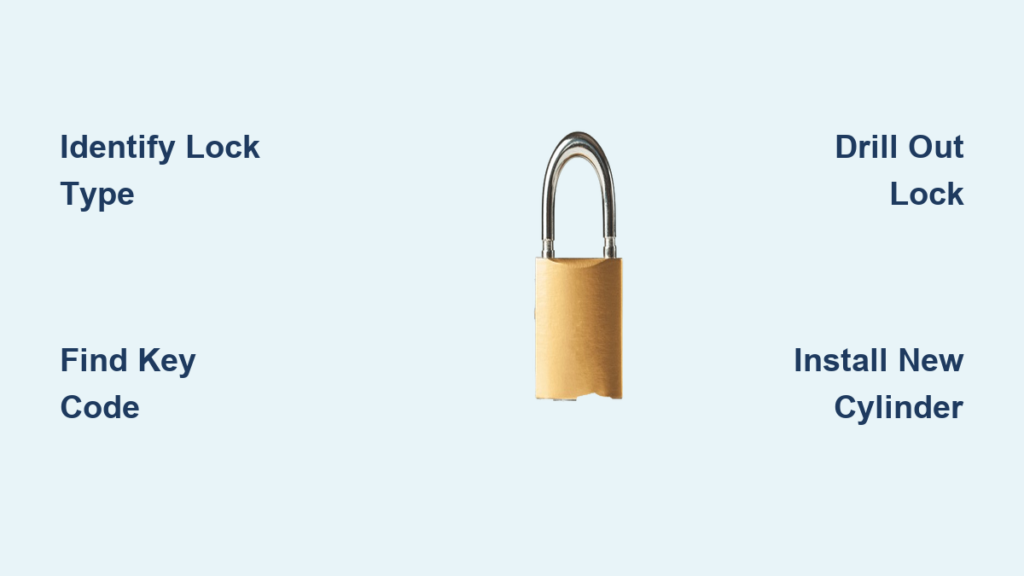
You sit down at your office desk, ready to start the day, only to realize the lock is stuck or you have lost the key. A broken or inaccessible desk lock does not just block your files; it disrupts workflow and security. The good news is that replacing a desk lock is a manageable DIY task with the right tools and knowledge. Whether your drawer is open or jammed shut, this guide walks you through every step to replace a desk lock efficiently and safely.
From identifying lock types to installing a new cylinder, you will learn how to preserve your desk is integrity while restoring full function. Solutions range from ordering a $5 replacement key to swapping out the entire lock mechanism, giving you options regardless of your budget or skill level.
Identify Your Desk Lock Type
Before removing anything, determine what kind of lock you are dealing with. The wrong approach can damage the drawer or surrounding material.
Common Desk Lock Types
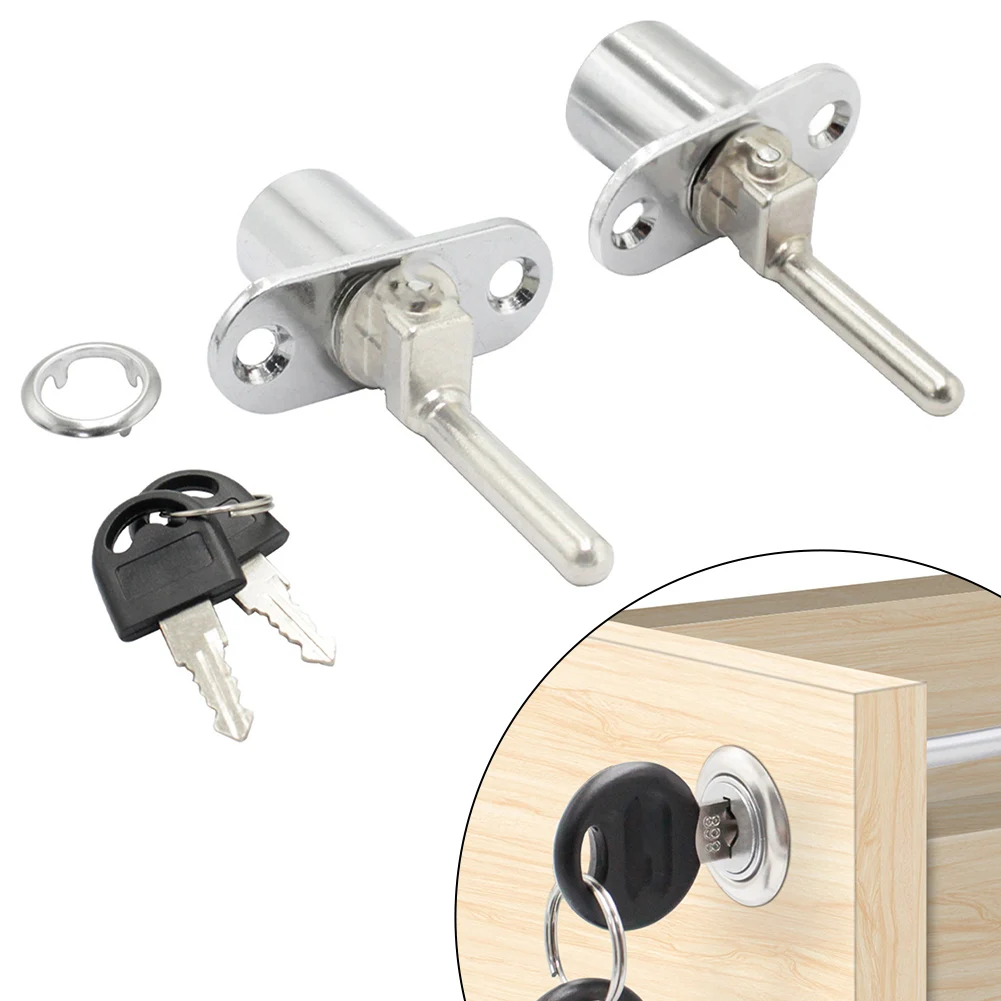
Desk locks generally fall into four categories. Rim locks mount inside the drawer and secure with screws. Cylinder locks insert through the drawer front and hold in place with a clip or nut. Three-point locks engage latches at the top, center, and bottom, common on executive desks. Integrated cabinet locks build into multi-drawer systems or filing cabinets.
Check for Manufacturer and Code
Look closely at the lock face for brand names like HON, Anderson Hickey, or A-ZUM. Find engraved numbers near the keyway, such as L0345, which serve as key codes. These numbers let you order replacement keys without removing the lock.
A user named BMB replaced a key for $5 online using only the code from the lock face. If no code exists, take clear photos of the lock from multiple angles and compare them to replacement kits or show them to a locksmith for identification.
Replace the Key Instead of the Lock
If the lock works but you have lost the key, replacement may be cheaper and less invasive than removal. Always check for a code first before attempting any disassembly.
Find the Key Code
Shine a light on the lock face and look for stamped numbers near the keyhole. Clean away grime with a cloth if needed to reveal the code clearly.
Order a New Key
Use the code to search online for pre-cut desk lock keys. Submit the number to a locksmith for key decoding or impressioning. Some services ship within days for under $10.
One user reported that their father got two working keys by mailing the code to a specialty locksmith with no disassembly required. This is the least invasive method and preserves your original lock mechanism.
Try Lock Picking First
If you are skilled or willing to learn, simple desk locks are often easier to pick than door locks. Use a paper clip or bobby pin to pick simple wafer locks. One user opened a desk lock with a paper clip. For multi-pin cylinders, use a lock pick set and practice impressioning with a blank key and file.
Only attempt picking if you are comfortable. Forcing it can jam the mechanism permanently.
Remove the Lock When the Drawer Is Open
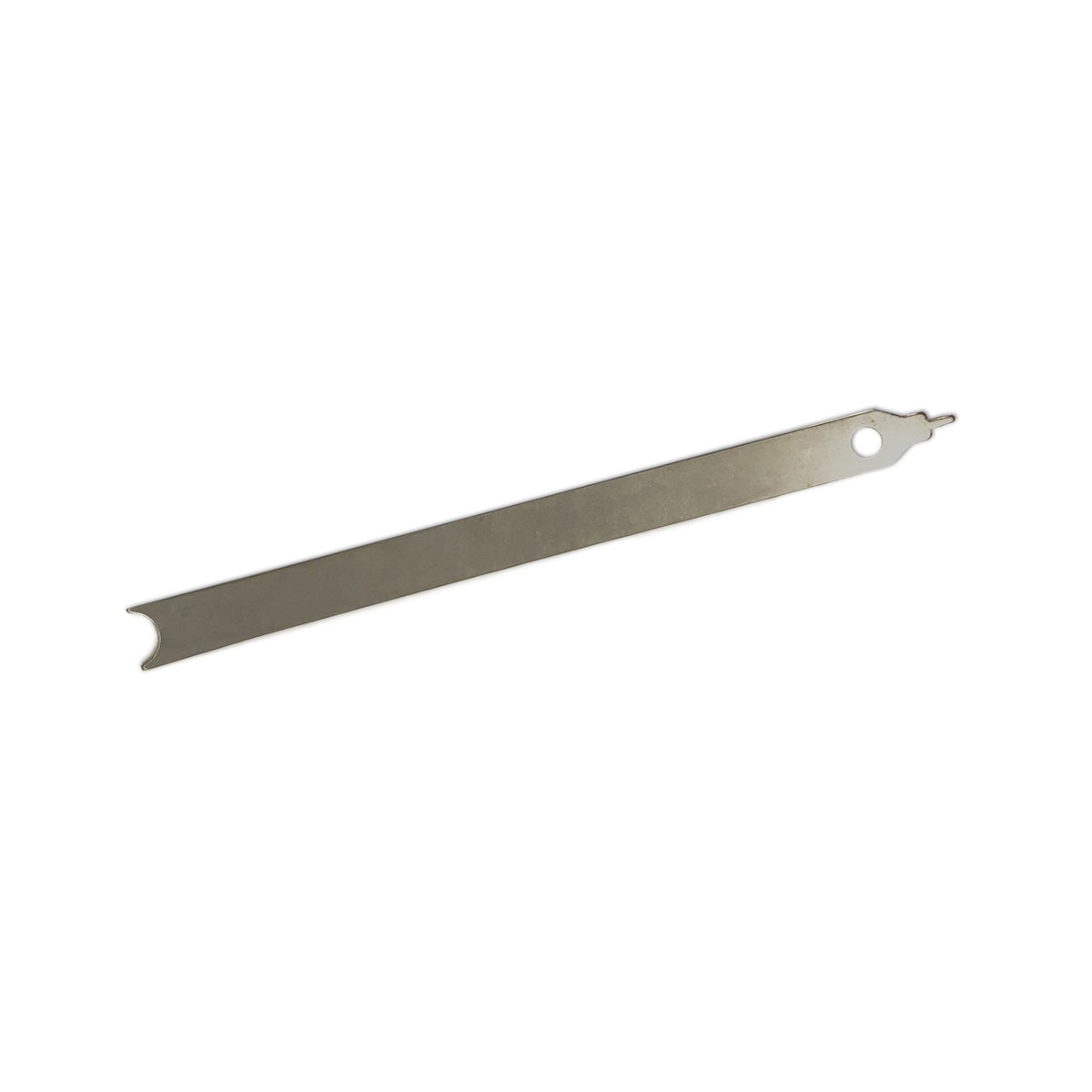
When no key or code exists, removal is the next step. An open drawer makes the job easier and prevents damage to the drawer front.
Tools You Will Need
Have these tools ready before starting. A flathead screwdriver removes covers and pry spots. A Phillips screwdriver handles screws. Needle-nose pliers grip small clips and nuts. A replacement lock kit ensures you have the new part on hand.
Locate the Retaining Mechanism
Inside the drawer, inspect behind the lock for the mounting style. A C-clip is a small metal ring circling the cylinder base. A locking nut is a threaded collar screwed onto the cylinder. A sheet metal cover may hide internal hardware, common on metal desks.
One user removed a sliding metal cover to access the clip on a commercial desk.
Remove the Cylinder
Use needle-nose pliers to pull out the C-clip. Alternatively, unscrew the retaining nut with pliers. Gently pull the cylinder out from the front. The lock should slide out smoothly with no force needed.
If screws hold a rim lock in place, remove them with a screwdriver and detach the entire mechanism.
Unlock a Stuck Drawer Without a Key
When the drawer will not open, you need to bypass the lock without wrecking the furniture. These methods destroy the lock but save the drawer.
Drill Out the Lock
Drilling is a last resort when the drawer is locked shut and other options have failed. Apply masking tape over the lock face to prevent scratches. Drill straight into the keyway, targeting the center. Break through the internal brass pins, which are usually five flimsy pins. Once drilled, insert a large flathead screwdriver and turn to unlock.
This destroys the lock and may mar the drawer surface. Use only when necessary.
Cut the Latch with a Hacksaw
For rim locks, insert a hacksaw blade between the drawer and frame. Locate the metal latch arm and carefully saw through it to release the drawer. This method works best on metal desks where latch access is possible.
Choose the Right Replacement Lock

Selecting a compatible lock ensures smooth installation and long-term function. Match by manufacturer whenever possible.
Compatible Replacement Kits
Different manufacturers use specific replacement kits. Anderson Hickey desks use Sandusky Cabinet Three Point Lock Housing. A-ZUM desks use A-ZUM ZG Lock Core Replacement Kit. HON desks use LW0101 Drawer and Door Lock Housing. Staples Commercial desks use Staples Commercial Lock Kit. Generic metal desks often use W601 to W650 Lock Core Kit.
Key Selection Tips
Buy a pack of cylinders with matching keys to standardize office furniture. Most desk locks use 15 to 20mm cylinders, so verify the fit before buying. Basic pin or wafer tumbler locks are sufficient for drawers. Replacement cores start at $5, so there is no need to overspend.
Purchase extra keys or cylinders now to avoid repeat work later.
Install the New Desk Lock

With the old lock gone and a new one in hand, installation is straightforward. Take your time to ensure proper alignment.
Prepare the Lock Opening
Clear debris from the hole. Wipe away metal shavings or old gunk. Ensure the opening is smooth and unobstructed before inserting the new lock.
Insert the New Cylinder
For cylinder locks, slide the new cylinder into the front of the drawer. From inside, attach the retaining clip or locking nut. Tighten gently because over-tightening can strip threads.
For rim locks, position the lock body inside the drawer. Align with the strike plate on the frame. Secure with screws, reusing originals if undamaged.
Test the Lock
Close the drawer and insert the key. Turn to lock and unlock, which should happen smoothly. Check that the latch engages properly with no grinding or resistance.
If the mechanism feels stiff, realign the strike plate or lubricate with graphite powder.
When to Call a Professional
Sometimes the best fix is not replacement but professional help. Consider calling a locksmith if the desk is vintage or valuable. Professional service preserves original hardware and prevents accidental damage.
You should also call a pro if you want to keep the original lock intact for aesthetic reasons. A locksmith can decode or impression a key without destroying the mechanism.
Take clear photos of the lock from multiple angles if seeking professional help. This helps the locksmith identify the correct replacement or key.
What Is Your Situation
Different scenarios call for different solutions. Match your circumstances to the best action.
If a code is visible on the lock, order a key online for about $5. If the lock works but you have no key, call a locksmith for decoding. If the drawer is open and the lock is accessible, remove the clip and replace the cylinder. If the drawer is locked with no key or code, drill the lock or cut the latch. If you want uniform office locks, buy a multi-pack with matching keys. If the desk has high value or vintage appearance, consult a locksmith to preserve the original look.
Key Takeaways for Replacing Your Desk Lock
Replacing a desk lock does not require advanced skills. Patience and the right approach yield professional results. Always check for a code first because it could save time, money, and prevent damage. Photograph the lock before removal for reference. Use the right tools, including pliers, screwdrivers, and a steady hand. Buy extra keys or matching cylinders for future consistency. For high-end or antique desks, professional service protects value.
Whether you are restoring an old executive desk or fixing a jammed office drawer, this guide gives you every step to replace a desk lock successfully. With solutions ranging from $5 key replacements to full cylinder swaps, you can restore security and function fast without calling a pro unless absolutely necessary.
Frequently Asked Questions About Replacing a Desk Lock
Can I replace a desk lock without removing it first?
Yes, if the lock works but you lost the key, you can often order a replacement key using the code stamped on the lock face. This avoids removal entirely and preserves the original mechanism.
What tools do I need to remove a desk lock cylinder?
You typically need needle-nose pliers to grip the retaining clip, a Phillips or flathead screwdriver for screws, and a replacement lock kit. A flat surface and good lighting help.
Is it cheaper to replace the key or the entire lock?
Replacing the key costs about $5 and takes minutes. Replacing the entire lock cylinder costs slightly more but gives you a new mechanism. Key replacement is always the cheaper option when a code is available.
How do I identify my desk lock brand?
Look for manufacturer names stamped on the lock face, such as HON, Anderson Hickey, or A-ZUM. Check for numeric codes near the keyway. Take photos of the lock and compare them to online replacement guides or ask a locksmith.
Can I drill out a desk lock myself?
Yes, using a 1/4-inch drill bit straight into the keyway destroys the internal pins. This is a last resort because it destroys the lock. After drilling, use a large flathead screwdriver to turn the mechanism and open the drawer.