Choosing the right desk width isn’t just about fitting furniture into a room. It’s about creating a workspace that supports your productivity, comfort, and long-term health. A desk that’s too narrow leaves you feeling cramped, while one that’s too wide can make your room feel cluttered and waste valuable floor space.
The ideal desk width typically ranges from 48 to 72 inches for most users, but the perfect size depends on your specific setup. Whether you’re working with a single laptop, dual monitors, or a full gaming station, your desk width directly impacts how efficiently you can work and how comfortable you feel throughout the day.
Standard Desk Widths for Common Setups
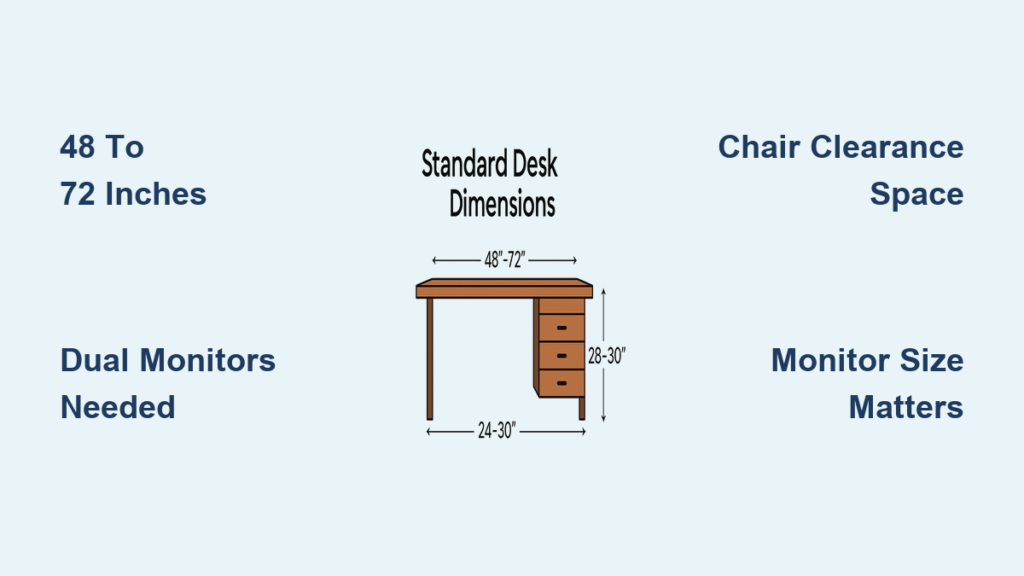
Most desks fall within a 48 to 72-inch width range, which balances functionality with room fit. This covers everything from compact student workstations to full executive offices.
Standard desk widths include:
- Standard office desk: 48 to 72 inches
- Compact or student desk: 36 to 48 inches
- Executive or L-shaped desk: 60 to 84+ inches
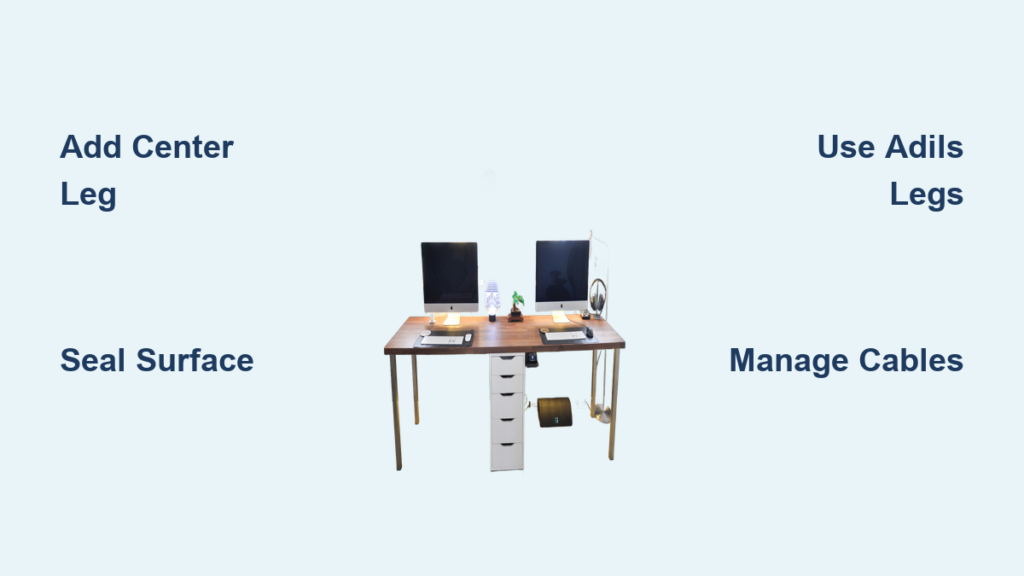
A 60-inch desk hits the sweet spot for many home offices. It fits two 27-inch monitors side by side with room for a keyboard, mouse, and notebook, without overwhelming a standard 10×10 foot room. Desks under 48 inches can work for laptops or single monitors but often feel tight if you use physical documents or multiple peripherals.
Desk Width Recommendations by Use Case
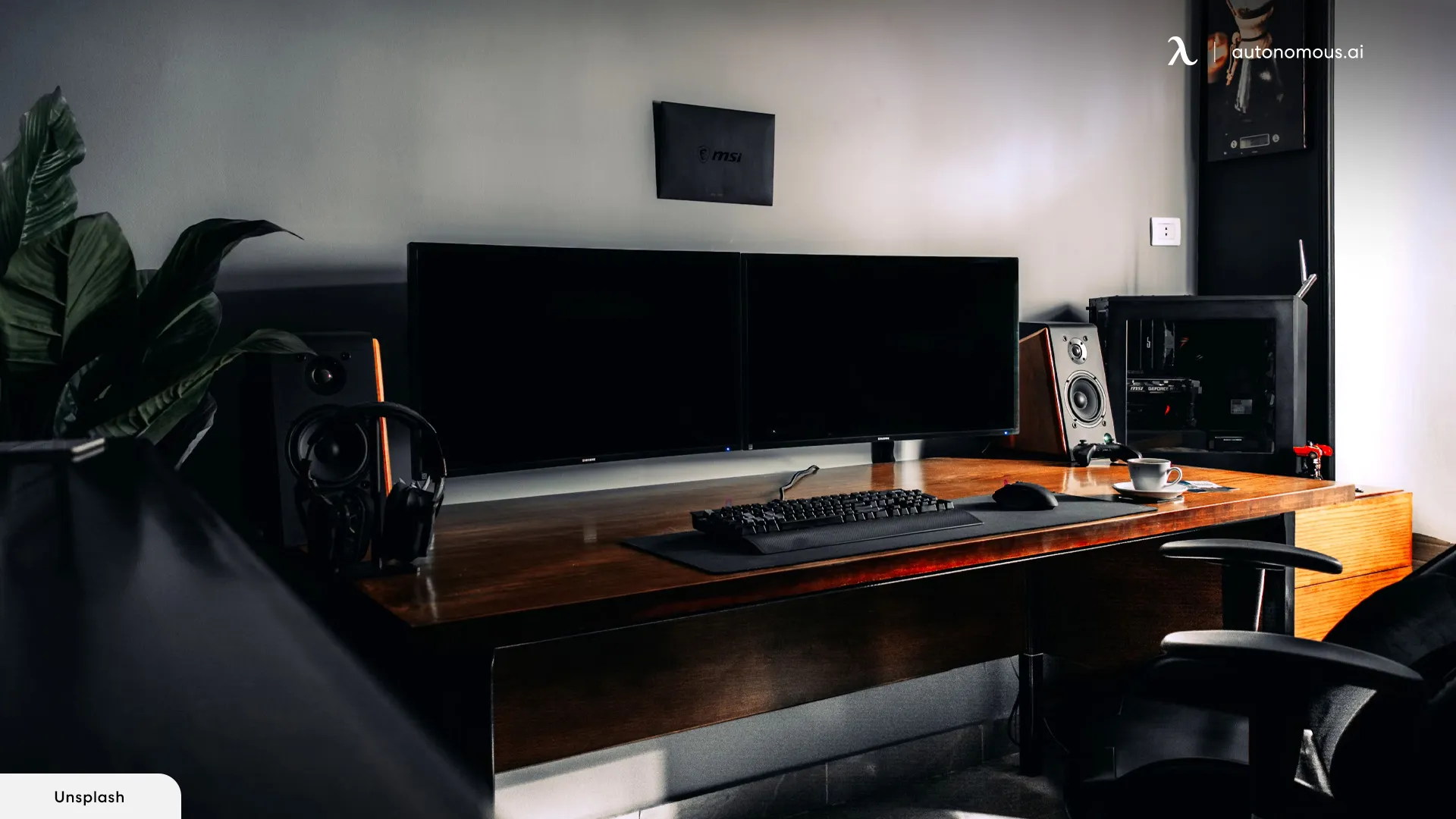
Your intended use dramatically affects how wide your desk should be. Different activities require different amounts of space.
Single Monitor Office Setup
For basic tasks like email, writing, or video calls with one monitor or laptop:
- Minimum width: 48 inches
- Ideal width: 54 to 60 inches
- Depth: 24 to 30 inches
At 48 inches, you can fit a monitor, keyboard, and mouse, but little else. A 60-inch desk gives you breathing room for a notepad, coffee cup, or secondary device.
Dual-Monitor Setup
For productivity professionals using two screens side by side:
- Minimum width: 60 inches
- Ideal width: 63 to 71 inches
- Depth: 28 to 31 inches
Two 27-inch monitors take up about 47 to 49 inches of space. That leaves virtually no room for a mouse on a 48-inch desk. A 60-inch desk gives you 6+ inches on each side for input devices.
Gaming Desk
Gamers need space for monitors, consoles, keyboards, headsets, and accessories:
- Minimum width: 60 inches
- Ideal width: 72 inches
- Depth: 30 to 36 inches
A 60×30 inch desk is the baseline for a full gaming setup. Wider desks at 72 inches let you add speakers, a capture card, or a drink coaster without clutter.
Executive Desk
Designed for leadership offices with meetings and heavy documentation:
- Standard width: 72 inches
- Large width: 86+ inches
- Depth: 36 to 39 inches
These desks support multiple devices, printed reports, phones, and guest seating. Even if you don’t need 86 inches, a 72-inch executive desk offers a commanding presence and ample workspace.
How Monitor Size Affects Desk Width
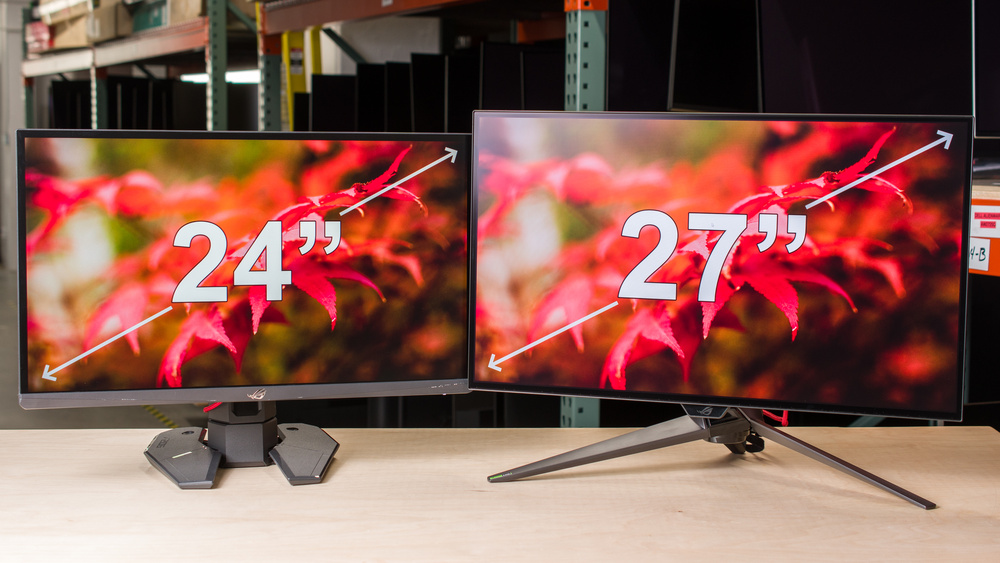
Monitor width is the biggest space hog on any desk. Understanding your monitor dimensions helps you calculate minimum desk width needs.
Common monitor widths:
- 24-inch monitor: approximately 20.9 inches wide
- 27-inch monitor: approximately 23.5 inches wide
- 32-inch monitor: approximately 27.9 inches wide
- Two 27-inch monitors: approximately 47 to 49 inches total
After placing monitors, leave 3 to 6 inches on each side for keyboard, mouse, or accessories. This means a dual-monitor setup needs at least 55 to 61 inches of usable width.
Monitor arms save 4 to 6 inches of desk width by mounting screens above or behind the desk. They also improve ergonomics by positioning screens at eye level.
Body Type and Ergonomic Considerations
Your height and arm length determine how much width you actually need to work comfortably.
Taller users over 6 feet need wider desks to avoid overreaching across the surface. Shorter users under 5’6″ may prefer narrower desks around 48 to 54 inches to keep everything within easy reach. Leave 2 to 3 inches between desk edge and elbows when typing.
According to ANSI/HFES 100 and BIFMA G1-2013, desks should accommodate users from the 5th to 95th percentile in body size, roughly 4’10” to 6’3″.
Room Clearance and Space Planning
A desk may fit against a wall but not function in your room. Always check several clearance measurements before buying.
Key clearance requirements:
- Chair clearance behind desk: 24 to 36 inches for rolling back
- Door swing clearance: ensure chair doesn’t block door when pulled out
- Walkway space: maintain 30 to 36 inches of clear passage
- Turning circle: 60-inch diameter for wheelchair access
Use painter’s tape to map the desk footprint on your floor before buying. This reveals hidden space conflicts that wall measurements alone won’t show.
Desk Shape and Layout Options

Different desk shapes offer varying levels of space efficiency depending on your room and needs.
Rectangular desks work best for linear workflow and narrow rooms. L-shaped desks maximize corner space and create dual work zones. Corner desks suit small to medium rooms with good space utilization. U-shaped desks provide maximum surface area for executive offices and heavy multitasking.
L-shaped desks are ideal for small rooms because they tuck into corners and create two functional zones. However, oversized L-desks can block movement or create dead zones you can’t reach.
Common Mistakes to Avoid When Choosing Desk Width
Several myths lead people to choose the wrong desk size. Avoid these errors to get the right fit first time.
Assuming wall fit equals room fit is a common mistake. A 72-inch desk may fit against a wall but block the door when the chair rolls back. Always measure floor clearance, not just wall length.
Believing bigger is always better backfires. A desk too wide for your room feels awkward and disrupts flow. Match desk size to actual use, not just available space.
Ignoring future upgrades causes problems. If you plan to add a second monitor later, buy a desk wide enough for that setup now rather than replacing it sooner.
Frequently Asked Questions About Desk Width
What is the ideal desk width for a home office?
The ideal desk width for most home offices is 60 inches. This size fits dual monitors, a keyboard, mouse, and additional accessories comfortably while fitting in standard 10×10 foot rooms.
How wide should a desk be for dual monitors?
A desk for dual monitors should be at least 60 inches wide, with 63 to 71 inches being ideal. Two 27-inch monitors require approximately 48 to 49 inches of that space, leaving room for input devices.
What desk width do gamers need?
Gamers should choose desks at least 60 inches wide, with 72 inches being ideal. Gaming setups need extra depth and width for consoles, speakers, headsets, controllers, and RGB accessories.
Can a 48-inch desk work for a single monitor?
Yes, a 48-inch desk works for a single monitor setup. However, you’ll have minimal extra space for a keyboard, mouse, and other items. A 54 to 60-inch desk provides more comfort and flexibility.
How do I know if a desk will fit my room?
Measure your room’s floor space, not just wall length. Account for chair clearance behind the desk (24 to 36 inches), door swing radius, and walkway passages. Map the desk footprint with painter’s tape before buying.
Does desk depth matter as much as width?
Desk depth matters equally as width for overall workspace functionality. Standard depth ranges from 24 to 30 inches. Deeper desks (30+ inches) suit gaming and executive setups, while shallower desks work better in narrow rooms.
Key Takeaways for Choosing the Right Desk Width
Choosing the right desk width comes down to matching your specific needs with available space. The 48 to 72-inch range covers most users, but your ideal width depends on monitor count, body type, and room layout.
Start by measuring your monitors and adding 3 to 6 inches on each side for input devices. Account for chair clearance and door swings in your room. If choosing between sizes, err toward wider rather than narrower.
For most home offices and dual-monitor setups, a 60-inch desk provides the best balance of functionality and room fit. Gamers and executive users benefit from 72-inch or wider desks. Compact spaces may require L-shaped models to maximize corner utility.
Always measure your room first, account for chair movement and door swings, and plan for future equipment upgrades. The right desk width isn’t just about space, it’s about creating a workspace that works for you now and for years to come.