You’re sitting down to work when you notice it—a fresh ink stain smearing across your desk. Maybe it was a leaky pen, a dropped marker, or an accidental brush against a drying note. No matter how it happened, ink on a desk is more than an eyesore. If left untreated, it can set in permanently, especially on porous or finished surfaces. The good news? Most ink stains can be removed if you act quickly and use the right method for your desk material.
The key to successful ink removal isn’t just what you use, but what your desk is made of. A solution that lifts ink effortlessly from laminate might ruin a polished wood finish. This guide breaks down exactly how to get ink off a desk based on surface type, using proven, safe, and accessible methods. You’ll learn how to identify your desk material, choose the best cleaning agent, avoid common mistakes, and restore your desk’s appearance without causing damage.
Identify Your Desk Surface First

Before applying any cleaner, determine your desk’s material. Using the wrong method can cause scratches, dulling, or irreversible finish damage.
Check for Wood Type and Finish
Look closely at your desk surface to identify what you’re working with.
• Finished wood has a glossy or satin sheen from polyurethane, varnish, lacquer, or wax coatings.
• Unfinished (bare) wood appears dull, porous, and often slightly rough. It absorbs liquids quickly.
• Test tip – Dab a drop of water on an inconspicuous spot. If it beads up, the surface is sealed. If it soaks in, it’s unfinished.
Spot Laminate, Metal, and Plastic
These materials respond differently than wood to cleaning agents.
• Laminate is smooth and non-porous, often with printed wood grain or solid color. Common in office desks.
• Metal feels cold to the touch and includes steel, aluminum, or chrome. May be painted or bare.
• Plastic is lightweight and sometimes flexible. Includes ABS panels or synthetic desktops.
Pro Tip: When in doubt, start with the gentlest method mild soapy water and test in a hidden area first.
Act Fast: Handle Fresh Ink Immediately
Time is your most powerful tool. Fresh ink hasn’t dried or penetrated the surface, making removal far easier than dealing with set-in stains.
Blot, Don’t Rub
Use a clean paper towel or cloth to gently blot the stain. Rubbing spreads the ink and pushes it deeper, especially into wood grain.
Work From Edges Inward
Start at the outer edge of the stain and move toward the center. This prevents spreading and contains the mess.
Absorb Excess Ink
Continue blotting until no more ink transfers to your cloth. Once surface ink is lifted, proceed with your chosen cleaning method.
Warning: Avoid wetting the area excessively. Too much moisture can warp wood or seep into laminate edges.
Remove Ink From Finished Wood Desks
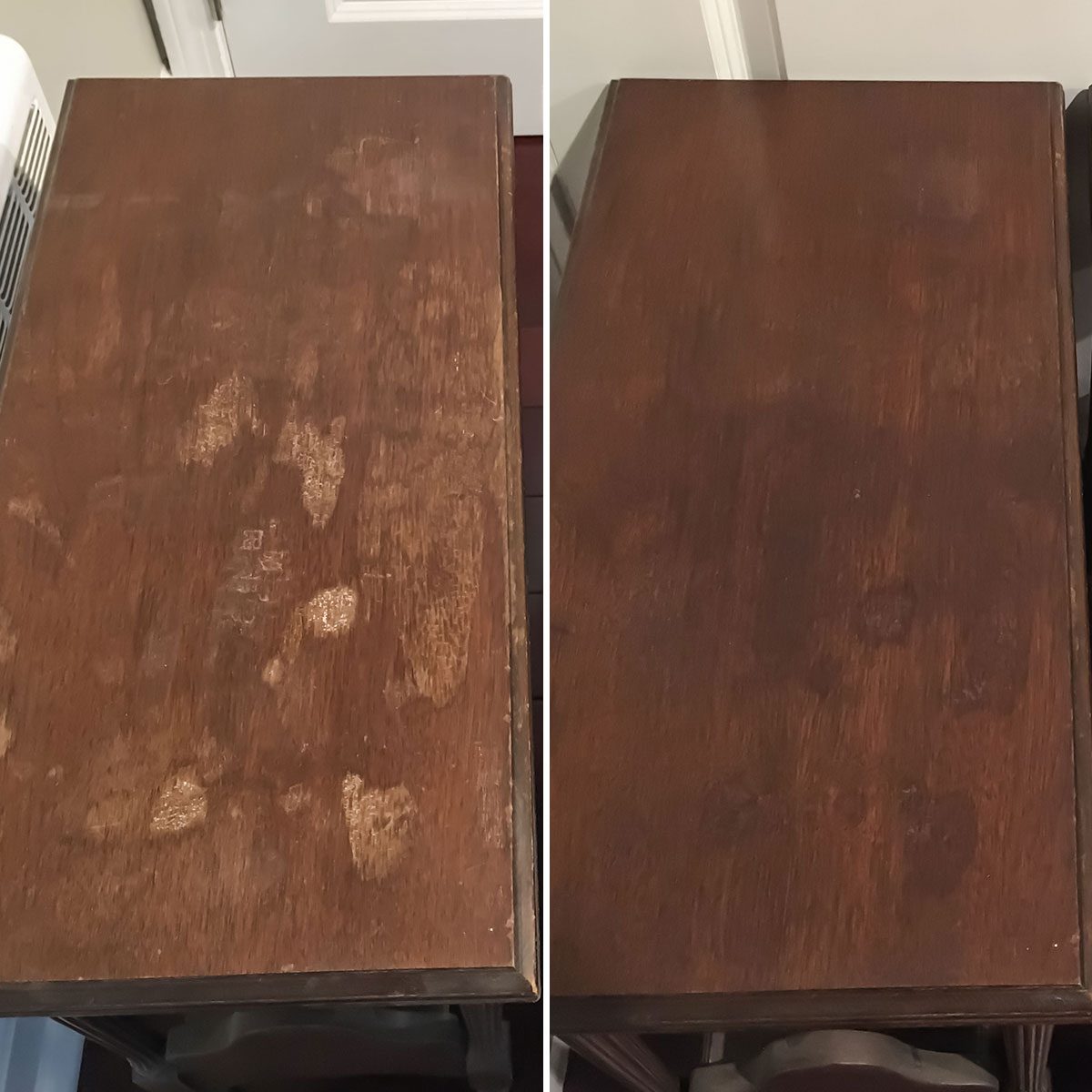
Finished wood requires care to preserve its protective coating while lifting ink safely.
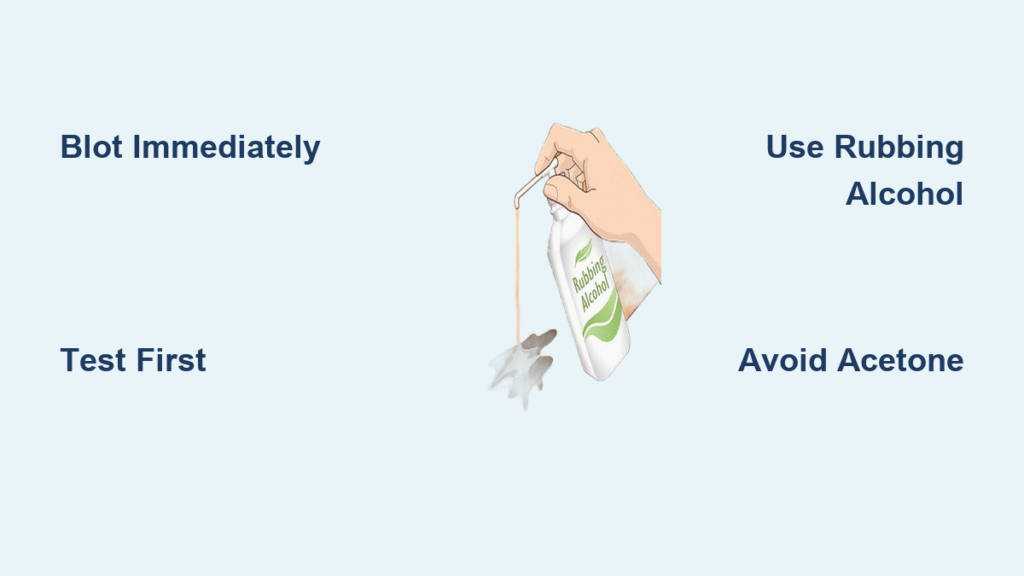
Use Rubbing Alcohol Safely
Dampen a cotton ball with 70 to 99 percent isopropyl alcohol. Do not pour directly on the desk. Gently rub the stain in small circular motions. Wipe with a damp cloth afterward and dry immediately. This method works well on ballpoint and gel inks, but test first to avoid finish dulling.
Try Mild Soap and Water
Mix two teaspoons of dish soap with one cup of lukewarm water. Dampen a microfiber cloth, wring well, and wipe along the wood grain. Rinse with a clean damp cloth and dry. This works best for fresh, light stains.
Apply Baking Soda Paste for Stubborn Marks
Mix two parts baking soda with one part water to form a thick paste. Spread the paste over the stain and wait five minutes. Gently scrub with a soft-bristled toothbrush, following the grain. Wipe clean and dry. This may leave a slight abrasion, so refinish the area if needed.
Try Mayonnaise for Old Stains
Coat the stain with a thin layer of mayonnaise. Cover with plastic wrap to prevent drying and let sit overnight. Wipe off with a soft cloth, rinse lightly, and dry. The oil breaks down aged ink effectively. Finish with wood conditioner to restore shine.
Avoid: Acetone, hydrogen peroxide, and oxalic acid. These damage finishes or spread ink deeper into the grain.
Clean Ink From Unfinished Wood
Bare wood absorbs ink deeply but lacks a protective finish, allowing stronger solvents to work safely.
Use Denatured Alcohol (Most Effective)
Apply denatured alcohol with a cotton swab or pad. Wait ten to fifteen seconds. Gently wipe the ink dissolves quickly. Reapply as needed. This is the fastest method tested and removes nearly all ink in one application. It is flammable, so use in ventilated areas.
Try Acetone as Backup
Dab acetone on a cotton ball and rub gently. It removes ink fast but may alter wood color. Strong fumes require good ventilation. This works best for desks already scheduled for refinishing.
Fall Back on Baking Soda Paste
Use the same method as for finished wood. It requires more scrubbing but is safer than solvents. This is ideal when alcohol isn’t available.
Expert Note: Denatured alcohol outperformed acetone in tests. It works faster, cleans better, and causes less discoloration.
Remove Ink From Laminate Desks
Laminate is durable but sensitive to abrasives and strong solvents that can damage its surface.
Apply Rubbing Alcohol
Use rubbing alcohol on a cotton ball or microfiber cloth. Rub in small circles until the ink lifts. No rinsing is needed unless residue remains. This works on ballpoint, gel, and marker inks.
Try Alcohol-Based Hairspray
Spray hairspray on a cloth, not directly on the desk. Blot and rub gently. Wipe dry afterward. This is only effective if alcohol is the first ingredient, so check the label.
Use Toothpaste for Light Stains
Use non-gel toothpaste that contains baking soda. Apply to the stain and rub with a soft cloth or brush. Rinse with a damp cloth. This mild action may need multiple tries for stubborn marks.
Avoid: Acetone because it can delaminate or warp the surface. Also avoid steel wool or scrub pads that scratch.
Clean Ink Off Metal Desk Surfaces

Metal handles, frames, or full metal desktops respond well to solvents but require thorough drying afterward.
Use Rubbing Alcohol
Apply rubbing alcohol to a lint-free cloth. Rub the stained area until ink lifts. Replace cloth sections frequently to avoid reapplying ink. Dry immediately to prevent water spots or rust.
Try Acetone for Tough Stains
Use acetone sparingly on a cotton ball. Avoid soaking the surface. Wipe and dry fast. Wear gloves because acetone irritates skin. Never use on painted metal because it strips paint instantly.
Real-World Result: Rubbing alcohol removed marker from a steel desk frame in under thirty seconds.
Remove Ink From Plastic Desks
Plastic surfaces vary. Some tolerate solvents while others cloud or craze.
Start With Rubbing Alcohol
Moisten a cotton ball and rub gently. This is safe for most rigid plastics like ABS.
Test Acetone With Caution
Apply to a hidden spot first. Acetone may cloud soft or flexible plastics. Avoid prolonged contact.
Try Alcohol-Based Skin Sprays
Antiseptic or cooling sprays with high alcohol content work similarly to rubbing alcohol. They pose lower risk if gels or additives aren’t present.
Warning: Avoid abrasive tools. Micro-scratches trap dirt and make stains reappear.
Try These Household Remedies (With Limits)
Some common items work when used correctly on the right surfaces.
Mayonnaise Works on Aged Wood Stains
The oil content breaks down old ink over time. Apply a thin layer, cover with plastic wrap, and let sit overnight. Wipe clean, rinse, and condition the wood. User testing on antiques shows this restores appearance effectively.
Baking Soda Paste Is Versatile
This works on wood, laminate, and plastic. It lifts ink through mild abrasive action without harsh chemicals. Requires scrubbing and thorough residue cleanup.
Toothpaste Has Mixed Results
Use only white, non-gel type with baking soda. Gently rub, rinse, and dry. Less effective than pure baking soda or alcohol on most surfaces.
Hairspray and Hand Sanitizer: Use Sparingly
Hairspray only works if it is alcohol-based. Polymers may damage finishes. Hand sanitizer contains alcohol but gelling agents leave residue. Pure isopropyl alcohol provides better control and safety.
Avoid These Ineffective Methods
Save time and prevent damage by skipping these approaches.
Hydrogen Peroxide (12%) Doesn’t Work
Tested on a six-month-old wood stain, hydrogen peroxide showed no ink removal. It is designed for organic stains like rust and mildew, not synthetic dyes. Do not use it for ink.
Oxalic Acid Spreads Ink
Great for rust and tannin stains, oxalic acid fails on ink. Tests show it can bleed the stain deeper into wood grain. Never use it for ink removal.
Follow Safety Best Practices
Protect yourself and your desk during cleaning.
Always Spot Test
Try any method on a hidden area first. Check for discoloration, clouding, or texture change before treating the visible stain.
Ventilate When Using Solvents
Denatured alcohol, acetone, and rubbing alcohol release fumes. Open windows or use fans while working.
Wear Gloves
Solvents can dry or irritate skin. Nitrile or latex gloves are recommended.
Use Soft Tools
Cotton balls, microfiber cloths, or number 0000 steel wool work best. Avoid paper towels on delicate surfaces because they can scratch.
Prevent Moisture Damage
Wring cloths well before use. Dry immediately after cleaning. Excess water warps wood and swells laminate edges.
Restore and Protect After Cleaning
Once ink is gone, care for the surface to prevent future damage.
For Wood
Apply wood conditioner or Murphy Oil Soap. This restores shine and protects against future stains. If the finish is damaged, lightly sand and reapply oil or varnish.
For Laminate and Plastic
Wipe with a mild all-surface cleaner. Buff with a dry microfiber cloth for shine.
For Metal
Dry thoroughly. Apply a light metal wax or polish to prevent corrosion.
Pro Tip: For antiques or high-value desks, consult a professional. DIY risks irreversible damage.
Quick Reference: Best Methods by Surface
This table summarizes the most effective approaches for each desk material.
| Surface | First Choice | Backup Option | Never Use |
|---|---|---|---|
| Finished Wood | Rubbing alcohol | Baking soda paste, mayonnaise | Acetone, hydrogen peroxide |
| Unfinished Wood | Denatured alcohol | Acetone, baking soda paste | Harsh abrasives without refinishing |
| Laminate | Rubbing alcohol | Toothpaste, baking soda paste | Acetone, scrub pads |
| Metal | Rubbing alcohol | Acetone (unpainted only) | On painted surfaces, excess moisture |
| Plastic | Rubbing alcohol | Acetone (test first) | On soft plastics, abrasives |
Final Tips for Success
Speed matters. Treat fresh ink within minutes, not hours. Start gentle with soapy water or alcohol before trying stronger solvents. Match your method to the material because one-size-fits-all approaches damage desks. Preserve finishes on valuable furniture because some stain is better than total damage.
User consensus confirms that rubbing alcohol, mayonnaise for old wood stains, and baking soda paste are top performers. Denatured alcohol is king for bare wood but destroys finishes. When in doubt, test first. A small patch test prevents big regrets.
Frequently Asked Questions About Removing Ink From Desks
Can ink be removed from a wooden desk?
Yes, ink can be removed from wooden desks. For finished wood, use rubbing alcohol or mild soap and water. For unfinished wood, denatured alcohol works fastest. Test any method in a hidden spot first to protect the finish.
Does mayonnaise really remove ink from wood?
Mayonnaise works on aged ink stains on wood. Apply a thin layer, cover with plastic wrap, and leave it overnight. The oil breaks down old ink. Wipe clean, rinse, and condition the wood afterward.
What removes dried ink from a desk?
For dried ink, start with rubbing alcohol on a cotton ball. If that fails, try baking soda paste for gentle abrasion. On unfinished wood, denatured alcohol dissolves dried ink quickly. Always test in an inconspicuous area first.
Can you use acetone on a desk?
Acetone works on metal, plastic, and unfinished wood, but it strips finishes from sealed wood and damages laminate. Never use acetone on painted surfaces or finished wood unless you plan to refinish.
How do you get ink off a laminate desk?
Rubbing alcohol works best on laminate. Apply to a cotton ball and rub gently in circles until the ink lifts. Avoid acetone, which delaminates or warps the surface.
What household items remove ink from desks?
Household items that work include rubbing alcohol, baking soda mixed with water, non-gel toothpaste with baking soda, and mayonnaise for old wood stains. Avoid hydrogen peroxide and oxalic acid, which are ineffective or harmful for ink.
Key Takeaways for Getting Ink Off Your Desk
Acting quickly gives you the best chance of complete ink removal. Fresh ink responds to gentle treatments like blotting and mild soap, while dried stains require stronger solvents matched to your desk material. Always identify your desk surface before choosing a cleaning method, because what works on laminate destroys wood finishes.
Rubbing alcohol is the safest all-around solution for most desk types. Denatured alcohol excels on bare wood but must never touch finished surfaces. Mayonnaise is a surprising but effective overnight treatment for aged wood stains. Test every method in an inconspicuous area first to avoid causing visible damage.
With the right approach, most ink stains disappear without a trace. Whether it is a quick alcohol wipe or an overnight mayo treatment, you now have the complete guide to getting ink off your desk safely and effectively.