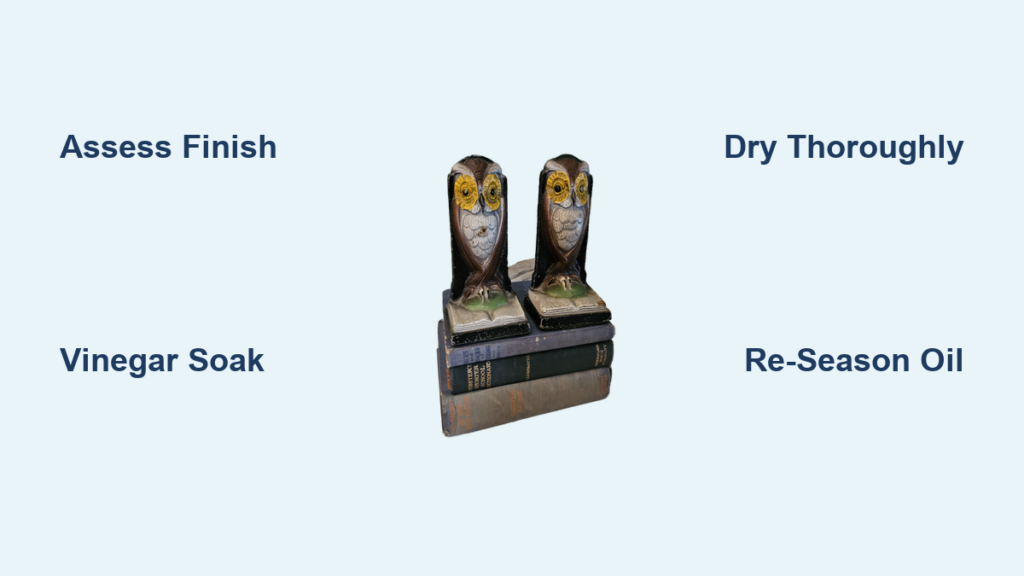
Dusty, rust-speckled cast iron bookends can dull the look of any bookshelf. While they are built to last, exposure to moisture and neglect can lead to corrosion, grime buildup, and a faded finish. The good news is that with the right approach, you can restore your cast iron bookends to their former glory, whether they are sleek modern pieces or ornate antiques.
This guide delivers a step-by-step plan tailored to different conditions, from light dusting to heavy rust removal. You will learn how to identify your bookend’s finish, remove rust without damaging detail, and apply protective coatings that prevent future deterioration.
Assess Your Bookend’s Condition Before Cleaning
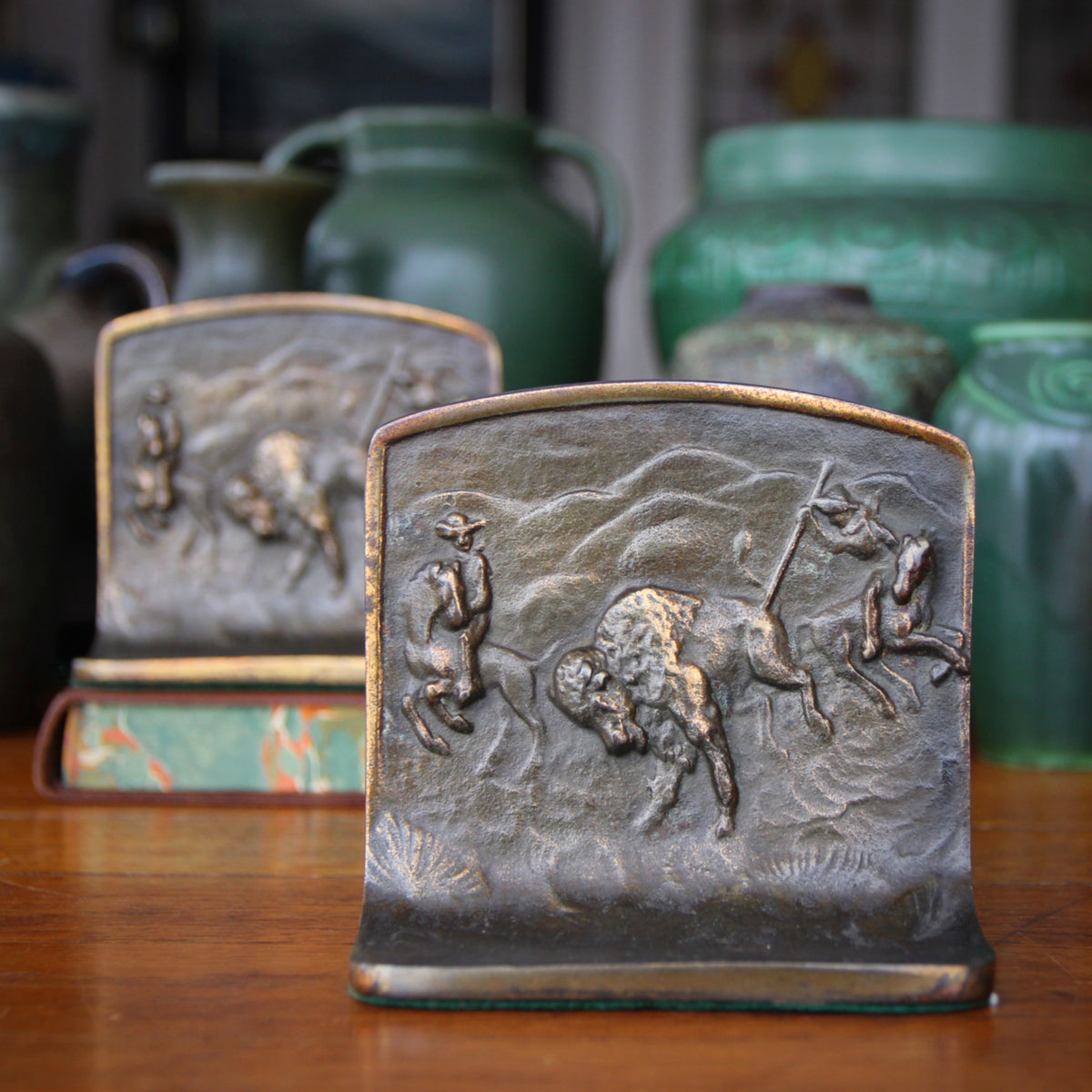
Before cleaning, inspect your cast iron bookends closely to determine the best method. The wrong approach can strip paint, scratch surfaces, or accelerate rust formation.
Identify the Finish Type
Cast iron bookends come in three main finish categories: bare or seasoned, painted, or antique with patina. Bare cast iron displays a black, semi-gloss surface and may need reseasoning if rust is present. Painted finishes require gentle cleaning unless flaking reveals rust underneath. Antique pieces with historical value should be handled cautiously, as aggressive cleaning can reduce their worth.
Check for loose paint or bubbling, which signals trapped rust. If paint is flaking, test for lead using a home lead test kit before sanding. If lead is present, avoid dry sanding and use chemical strippers instead.
Gather Essential Tools and Safety Gear
Prepare your workspace with these tools:
– Stiff brush and nylon brush for crevices
– Fine wire wool or medium steel wool
– Soft rags and towels
– White spirit, white vinegar, and baking soda
– Vegetable or flaxseed oil
– Oven or stovetop for drying and seasoning
Wear gloves and eye protection, especially when handling vinegar or stripping paint. Ensure good ventilation if using solvents or heating the iron.
Remove Dust and Light Grime from Cast Iron Bookends
For bookends without rust, cleaning is quick and water-free to prevent oxidation.
Use White Spirit for Grease Removal
Dampen a soft rag with white spirit and wipe down the entire surface. This dissolves dust, oils, and fingerprints without introducing moisture. It is especially effective on bare cast iron with an intact finish.
For intricate designs, use a nylon brush or old toothbrush dipped in white spirit to reach tight spaces. Never soak the piece. Spot-clean as needed only.
Dry Immediately and Buff the Surface
After wiping, go over the surface with a dry cloth. Even minimal moisture from damp cleaning can trigger rust if left unattended. Once dry, buff lightly to restore subtle sheen.
Avoid soap or water on seasoned surfaces unless reconditioning. Soap can strip protective oils, leaving the metal vulnerable to corrosion.
Treat Light Rust and Stains on Bookends
Surface rust appears as orange flecks or dark spots. Address it early before it spreads or pits the metal.
Scrub with Baking Soda Paste
Mix equal parts baking soda and water into a thick paste. Apply it directly to rusted areas and let sit for 3 to 5 minutes. Scrub with a stiff brush using circular motions.
Rinse with warm water and dry immediately and completely. Towel dry, then place the bookend on a stove over low heat for 10 minutes to evaporate hidden moisture.
Try Salt and Lemon for Spot Rust
For small rust spots, cover the area with kosher salt, then rub with a cut lemon. The citric acid reacts with rust while salt acts as a mild abrasive.
Wipe clean with a damp cloth and dry thoroughly. This method works best for localized corrosion and adds minimal moisture to the metal.
Soak for Heavy Rust Removal on Cast Iron Bookends
When rust covers large areas or has penetrated crevices, a vinegar soak is the most effective solution.
Prepare the Vinegar Solution
Mix equal parts white vinegar and water in a container large enough to submerge the bookend. A 1:1 ratio balances rust-dissolving power with metal safety.
Place the bookend in the solution, ensuring all rusted areas are covered. Soak for up to 8 hours, checking every few hours. Do not exceed this time, as prolonged exposure can etch the iron.
Scrub and Rinse After Soaking
Remove the bookend and use fine wire wool or a wire brush to scrub off loosened rust. For detailed patterns, use a nylon brush to avoid scratching the surface.
Rinse under warm water to remove vinegar residue. Dry immediately with a towel, then apply heat to eliminate internal moisture. Place in an oven at 200°F (90°C) for 20 minutes or on a stovetop over low flame until completely dry.
Clean Painted Cast Iron Bookends Safely
Painted bookends need special care to preserve color and prevent lead exposure.
Wipe with a Damp Cloth Only
If the paint is intact, clean with a slightly damp cloth. Avoid soaking or using abrasive tools. Dry immediately after wiping.
Never use vinegar, baking soda, or solvents on painted surfaces unless preparing for repainting.
Strip and Repaint Flaking Areas
If paint is peeling or rust shows underneath, remove all loose material. If your lead test is negative, lightly sand edges to create a “key” for new paint adhesion.
For lead-based paint, use a caustic stripper instead of sanding to avoid toxic dust. Follow product instructions carefully and wear full protection.
Prime exposed metal with a rust-inhibiting metal primer, then repaint with stove paint or exterior-grade metal paint for durability.
Reseason Bare Cast Iron After Cleaning
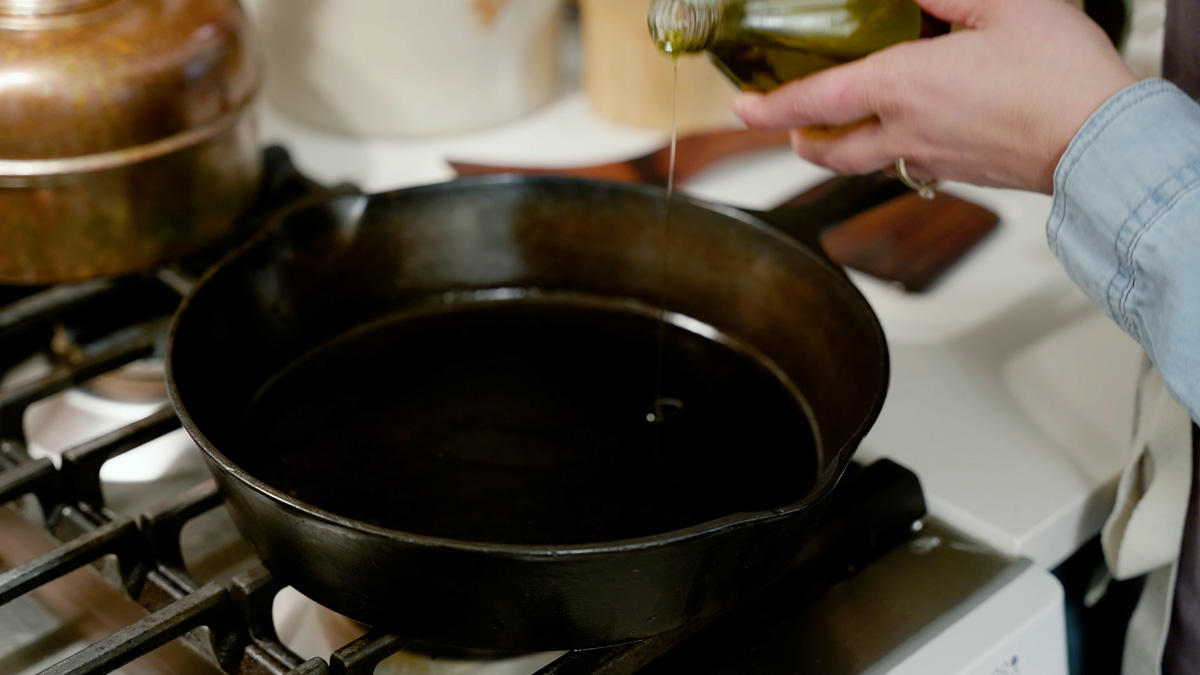
After rust removal, bare cast iron must be sealed to prevent immediate re-rusting.
Apply Oil and Heat Cure
Coat the entire surface with a thin layer of vegetable oil or flaxseed oil using a lint-free rag. Excess oil will become sticky, so less is better.
Place the bookend in a cold oven, then heat to 400°F (220°C). Bake for 10 to 15 minutes, or until the oil smokes slightly. Turn off the oven and let cool completely inside to prevent thermal shock.
Repeat 2 to 3 times for a durable, protective layer. This process polymerizes the oil, creating a moisture-resistant barrier.
Alternative: Use Iron Paste or Lacquer
For a glossy, maintenance-free finish, apply black iron paste or grate polish. Let sit for 1 hour, then buff with a bristle brush until shiny.
Alternatively, spray with clear lacquer designed for metal. This forms a hard, airtight seal ideal for decorative items not exposed to heat or friction.
Avoid using grate polish if the bookend will touch fabric, as residue can transfer.
Protect Ornate and Detailed Cast Iron Designs
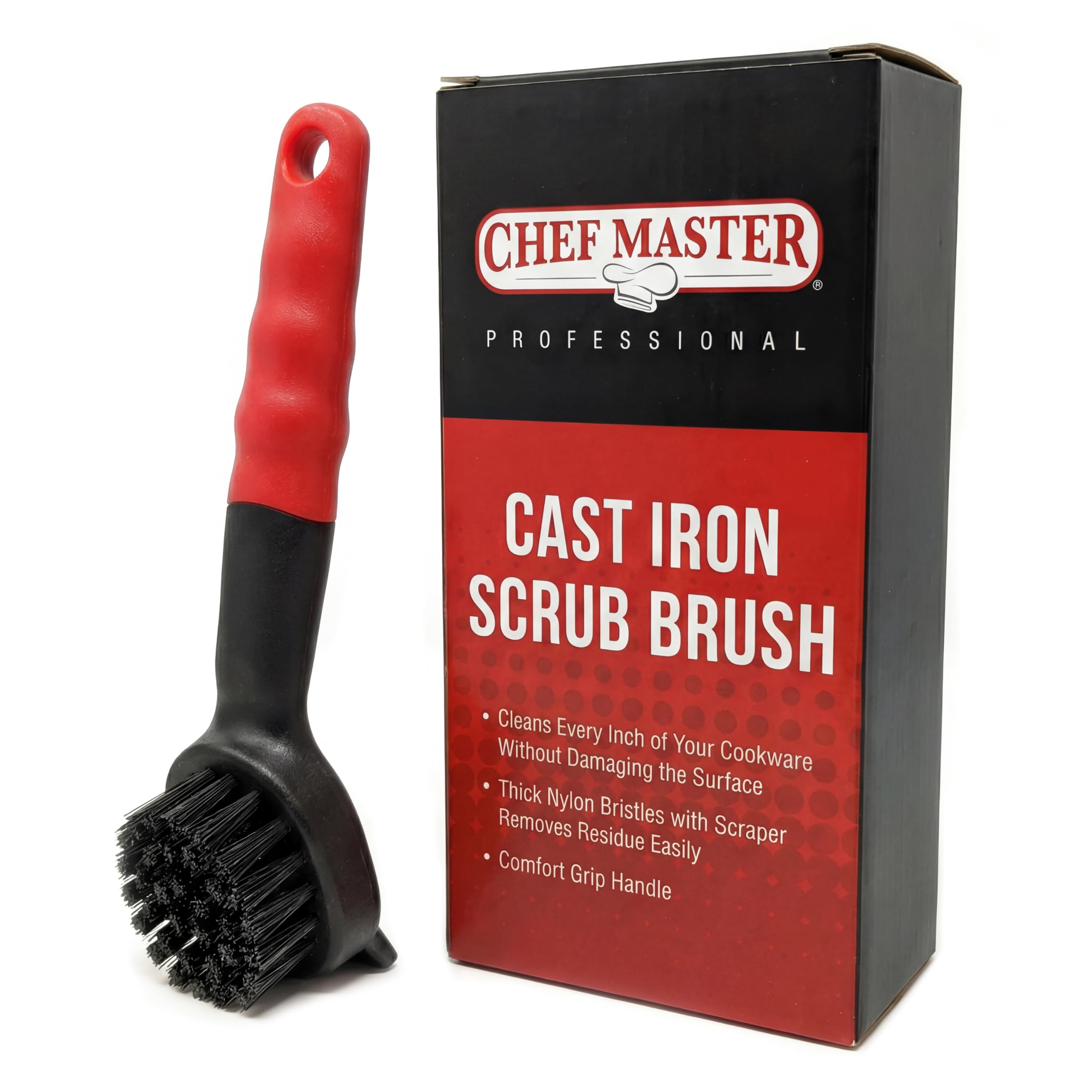
Intricate carvings, letters, or scrollwork require precision cleaning to avoid damage.
Use Soft Tools for Delicate Areas
Avoid coarse wire brushes or sandpaper on fine details. Instead, use nylon brushes, toothbrushes, or fine wire wool (000 grade) to clean crevices gently.
For heavy rust in deep grooves, the vinegar soak method is ideal because acid penetrates where brushes cannot reach.
Prevent Detail Loss During Cleaning
Never use power tools like grinders or sandblasters on antique or decorative bookends. These can erase fine features and reduce value.
Clean by hand with patience. If rust is deeply embedded, extend the vinegar soak time slightly, but never exceed 8 hours.
Prevent Future Rust and Damage on Bookends
Once cleaned and sealed, proper maintenance keeps bookends looking great for years.
Store in Dry, Low-Humidity Areas
Moisture is the enemy of cast iron. Keep bookends away from bathrooms, basements, or exterior walls prone to condensation.
Use silica gel packs on shelves if humidity is high. Dust regularly with a dry cloth to prevent grime buildup.
Reapply Oil Periodically
Every 6 to 12 months, or when the surface looks dry, reapply a thin coat of oil and heat-cure it. This reinforces the protective layer, especially in humid climates.
For lacquered or painted finishes, inspect annually for chips or wear. Touch up as needed to block moisture.
Avoid Common Mistakes When Cleaning Cast Iron Bookends
Even well-intentioned efforts can damage cast iron if basic rules are ignored.
Never Leave Wet or Damp
Any moisture left on cast iron, even from rinsing, will cause rust within hours. Always dry thoroughly with heat after water contact.
Don’t Over-Soak in Vinegar
More than 8 hours in vinegar can pit the metal. Stick to the recommended time and monitor progress regularly.
Skip Soap on Seasoned Surfaces
While less critical for bookends than cookware, soap can strip oil layers. If used, re-season immediately afterward.
Avoid Thermal Shock
Never place a hot bookend on a cold surface or into water. Allow it to cool to room temperature before handling or cleaning.
Frequently Asked Questions About Cleaning Cast Iron Bookends
Can I use soap and water to clean cast iron bookends?
Soap and water can be used for painted bookends with intact finishes, but avoid soap on bare or seasoned cast iron. Soap strips protective oils, leaving the metal vulnerable to rust. If you must use soap, reseason the bookend immediately afterward.
How long should I soak cast iron bookends in vinegar?
Soak cast iron bookends in a 1:1 vinegar and water solution for up to 8 hours maximum. Prolonged exposure can etch and pit the metal. Check the bookend every few hours and remove it once rust loosens.
What is the best oil for seasoning cast iron bookends?
Vegetable oil and flaxseed oil are both excellent choices for seasoning cast iron bookends. Apply a thin layer, heat to 400°F (220°C) for 10 to 15 minutes, and repeat 2 to 3 times for a durable protective finish.
How do I remove rust from ornate cast iron bookends without damaging details?
Use fine wire wool (000 grade), nylon brushes, or toothbrushes to gently clean crevices. For deep rust in intricate patterns, the vinegar soak method works best because the solution penetrates areas brushes cannot reach.
Is it safe to sand paint off old cast iron bookends?
Only sand if a lead test confirms the paint is lead-free. If lead is present, use a chemical stripper instead of sanding to avoid releasing toxic dust. Always wear gloves, eye protection, and a respirator when working with old paint.
How often should I re-oil my cast iron bookends?
Re-oil your cast iron bookends every 6 to 12 months, or whenever the surface looks dry. In humid climates, you may need to re-oil more frequently to maintain the protective barrier against moisture.
Key Takeaways for Restoring Your Cast Iron Bookends

Restoring cast iron bookends requires matching your method to the finish and rust level. Start with a careful assessment to identify whether your bookends are bare, painted, or antique. Use white spirit for dust and grease, baking soda paste for light rust, and a vinegar soak for heavy corrosion.
Always dry thoroughly with heat after any water contact, and seal bare metal immediately after rust removal. A thin layer of oil heat-cured at 400°F creates a lasting barrier, while lacquer offers a glossy, maintenance-free alternative.
For ongoing care, dust regularly, store in low-humidity areas, and re-oil every 6 to 12 months. With these proven techniques, your cast iron bookends can remain functional and beautiful for generations.