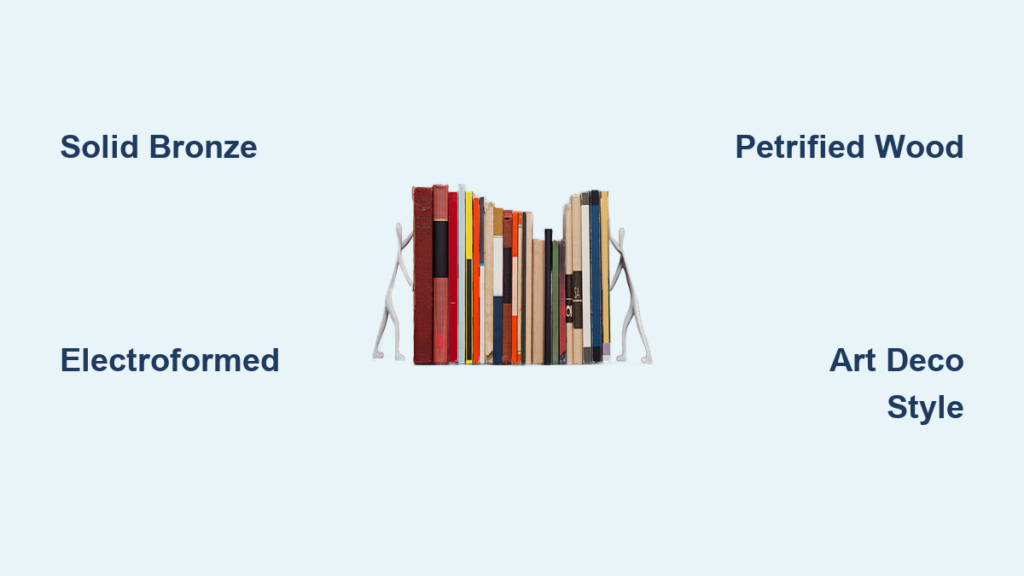
You might walk into a home decor store, glance at a pair of bookends, and do a double-take at the price tag. At first glance, bookends seem like simple shelf accessories, small, stationary, and purely functional. But the reality is, bookends can be expensive because many are not just tools, but art, history, and craftsmanship in miniature form.
The truth is, why are bookends so expensive is not really a question about utility. It is about value. While you can buy basic bookends for under $10, rare, vintage, or artisan-made pieces often sell for hundreds or even thousands of dollars. The price gap comes down to materials, manufacturing methods, historical era, collectibility, and craftsmanship.
In this guide, we will break down exactly what drives the cost of bookends, from the hidden labor in antique bronze designs to why a petrified wood pair might outprice a coffee table. You will learn how to spot valuable pieces, understand what justifies high price tags, and discover affordable alternatives when you just need something to hold up your novels.
Material Matters: What Bookends Are Made Of
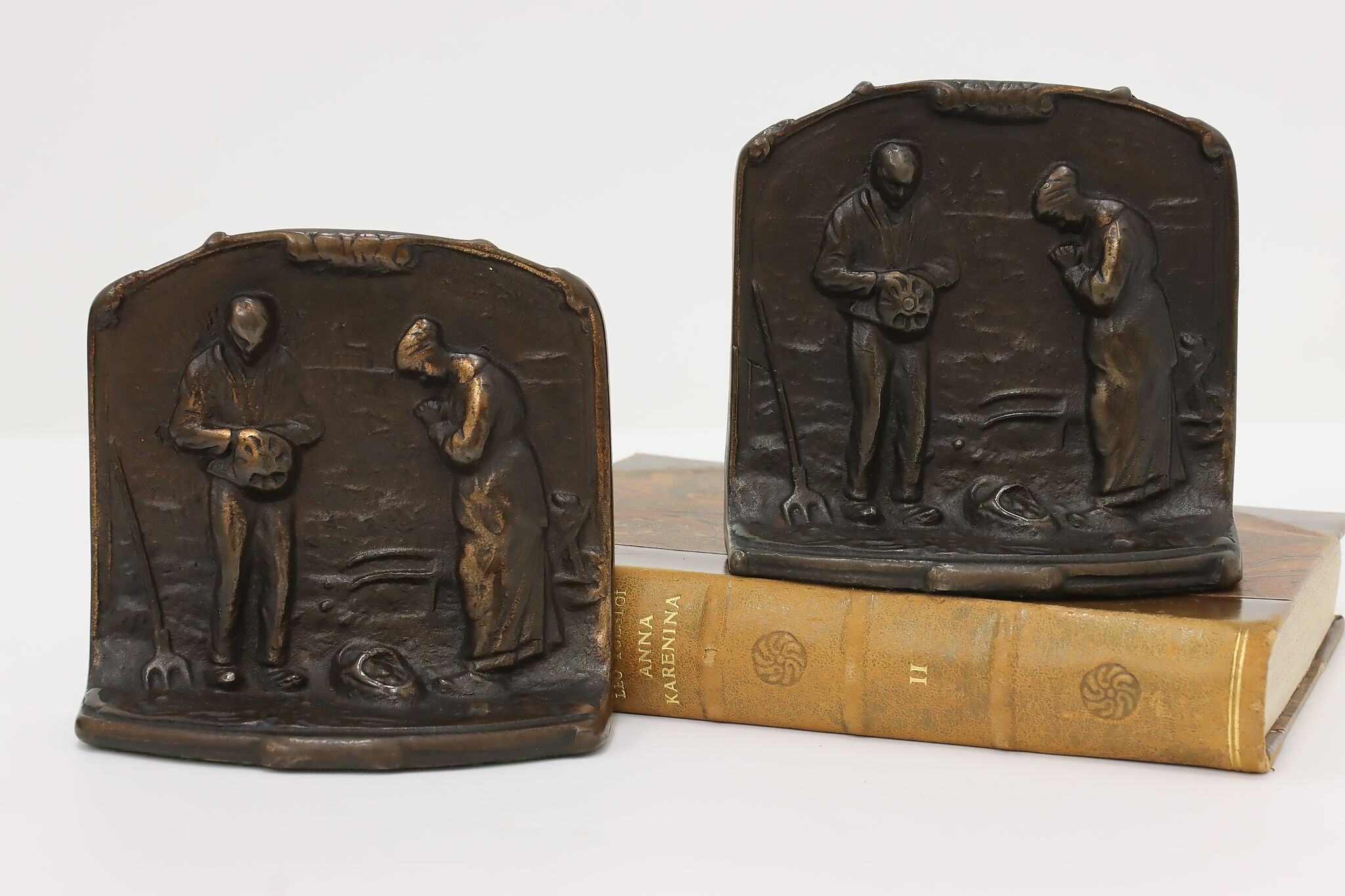
The raw materials used in bookends are one of the biggest cost drivers. Not all metal is equal, and not all stone is common. What something is made from directly impacts durability, weight, and ultimately, price.
Bronze vs. Iron: A Cost Comparison
Solid bronze bookends are among the most valuable. Bronze, a copper-tin alloy, is heavy, durable, and capable of intricate detailing. It resists corrosion and develops a rich patina over time, qualities prized by collectors. However, copper and tin are expensive metals, and bronze melts at a high temperature, requiring more energy to cast. This drives up production costs.
In contrast, cast iron or steel bookends are cheaper to produce. They are magnetic (a fridge magnet sticks), often sand-cast, and sometimes plated to look like bronze. While sturdy, they lack the refinement and long-term value of true bronze. Some budget bookends even use steel rail cutoffs, repurposed for weight and function but not for artistry.
Spelter: The Cheap Metal That Became Collectible
Spelter, also known as pot metal or white metal, is a zinc-lead alloy with a low melting point. It was widely used in Art Deco-era bookends because it allowed for detailed, hollow casts at low cost. While spelter itself is cheap, vintage spelter bookends from the 1920s and 1930s are now highly collectible. Their value comes not from the material, but from their design, era, and rarity.
Today, a hollow spelter owl or dancer from the Art Deco period can sell for $150 to $300, despite the low material cost. This proves that history and style can trump raw materials.
Real Stone: Marble, Onyx, and Petrified Wood
Luxury bookends often use natural stone, and the price reflects both the material and the skill needed to shape it.
- Marble and alabaster were favorites in the Renaissance for their elegance and carvability. A hand-carved marble pair can cost hundreds due to labor and material scarcity.
- Onyx, with its dramatic banding and translucence, was a staple of Art Deco design. Its difficulty to cut and polish increases cost.
- Petrified wood, especially from Arizona, is prized for its rainbow hues and organic beauty. A 5-inch pair has sold for $175, with color intensity and size being key value factors.
These are not just bookends. They are natural art objects.
How They Are Made: The Hidden Labor in Bookends
The manufacturing process can turn a simple idea into a costly item. Some methods are fast and cheap, while others take days and require expert skill.
Electroformed Bronze: The Most Complex Process
Between 1905 and 1935, a technique called electroforming produced some of the most valuable bookends ever made. Also called plaster-filled bronze or galvano bronze, these pieces were not solid metal. They were plaster cores coated in thick bronze via electricity.
Here is how it worked:
1. A plaster mold was made from the original sculpture.
2. The mold was made conductive and wired with an electrode (often visible as a dimple on the bottom).
3. It was submerged in a bronze plating bath for several days, building up a thick bronze skin.
4. The plaster core was left inside, making the final piece a bronze-shelled sculpture.
This process was extremely labor- and energy-intensive. Only one major manufacturer survived past WWII, making surviving pieces rare. Today, electroformed bronze bookends from the Art Deco era are highly sought after, with prices reflecting their craftsmanship.
Why Hollow Spelter Was Cheaper
Spelter bookends were made using slush casting, pouring molten metal into a mold, then tipping it out before it fully solidified, leaving a hollow shell. This used less material and cooled faster, cutting costs. While not as durable as solid castings, the method allowed for mass production of intricate designs, perfect for the bold, geometric styles of the 1920s.
Vintage and Antique Value: When Age Equals Price
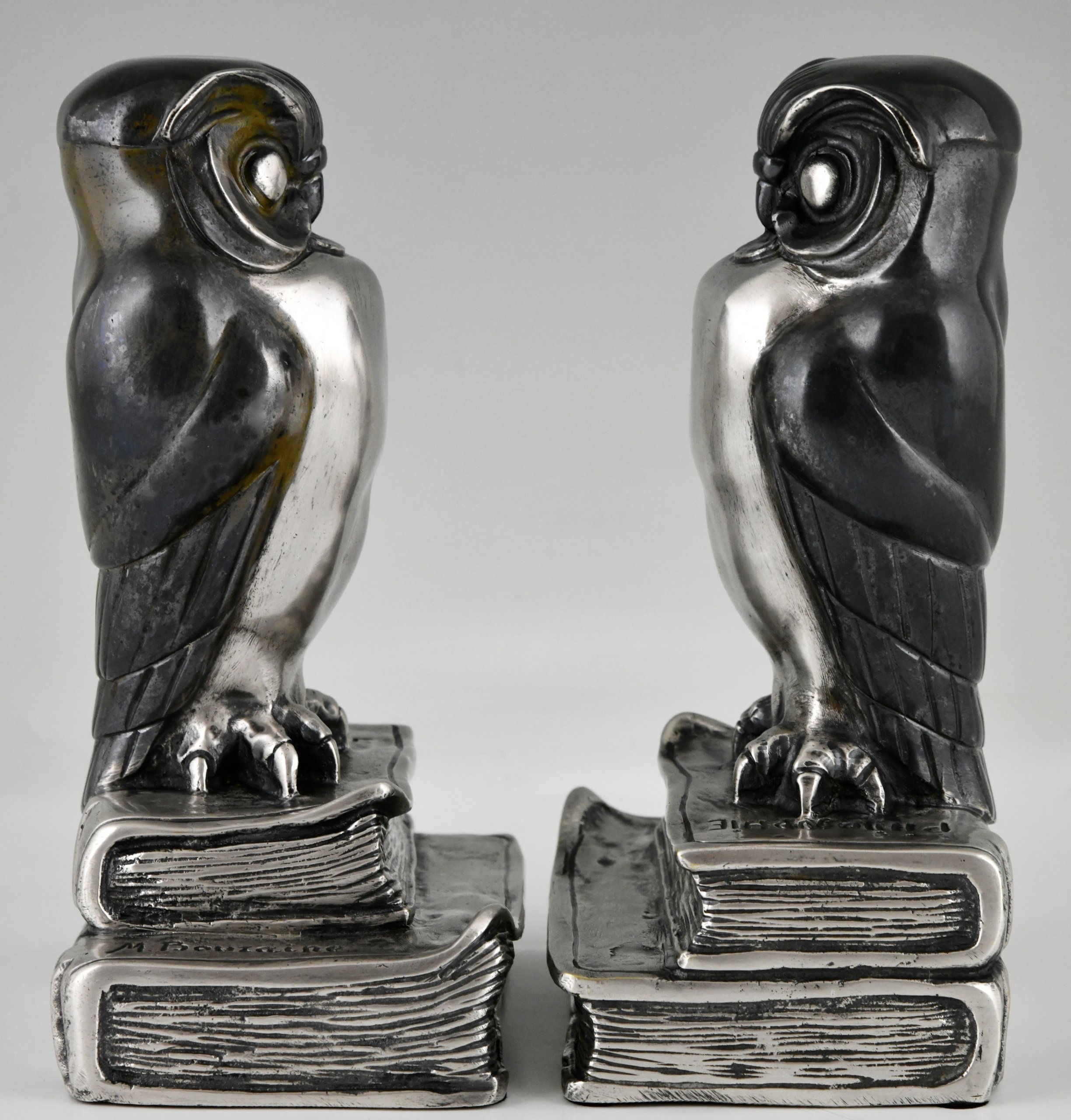
Many expensive bookends are not new. They are vintage or antique, and their value comes from historical significance, not function.
Art Deco: The Golden Age of Bookends
The 1920s and 1930s were the golden era for bookend design. Art Deco embraced bold geometry, luxury materials, and exotic themes, including Egyptian, Asian, Native American, and modernist motifs. This period saw the peak of electroformed bronze, spelter casting, onyx and marble inlays, and figural designs featuring animals, dancers, and architecture.
Because of their style and limited production, Art Deco bookends are now collectibles. A figural spelter pair can sell for $200 or more, while rare electroformed pieces go even higher.
Mid-Century Modern and Hollywood Regency
From the 1940s to the 1960s, brass became the dominant material. Sleek, animal-shaped bookends like stretching cats, doves, and ducks were popular in Hollywood Regency and Mid-Century Modern interiors.
- A brass stretching cat (MCM style) sold for $190.95.
- A brass dove pair went for $99.
- Even common brass ducks now fetch $50 or more, up from thrift store prices.
These are not just decor. They are period artifacts of mid-century design.
Collector’s Market: What Makes a Bookend Valuable
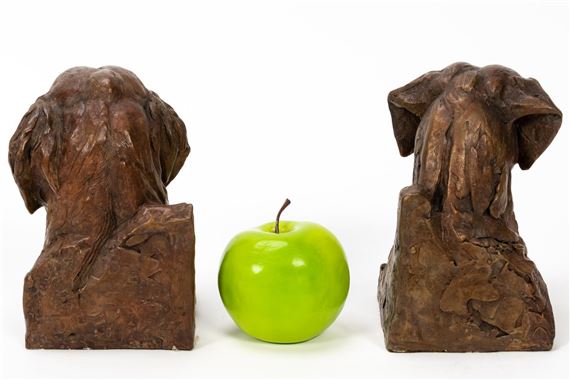
On platforms like Etsy, eBay, and antique shops, bookends sell for surprising prices. Collectors drive the market, and they look for specific traits.
5 Factors That Increase Value
- Condition: Cracks, chips, or repairs reduce value. Original finish is key.
- Materials: Solid bronze, petrified wood, or studio pottery glazes command premiums.
- Craftsmanship: Fine details, symmetry, and design quality matter.
- Rarity: Limited editions or unique colorways (like Frankoma’s Prairie Green) sell for more.
- Provenance: Pieces by known makers such as Van Briggle, Rookwood, or Walter Matteia are investment-grade.
Top-Selling Bookend Examples
| Bookend Type | Sale Price | Notes |
|---|---|---|
| Walter Matteia Bronze Dogs | $1,500 | Limited edition, marked |
| Frankoma Dreamer Girl Set | $475 | Rare Prairie Green glaze |
| Van Briggle Mulberry Owls | $250 | Signature glaze, collectible |
| Rookwood Hound Dogs | $225 | Handcrafted, expressive design |
| Dodge Steer Bookends | $375 | Estate find, resold quickly |
| Petrified Wood (5″) | $175 | Color and size driven value |
Note: The Dodge Steer pair was bought for $5 at an estate sale, a perfect example of the “hidden gem” phenomenon in bookend collecting.
How to Spot Valuable Bookends
You do not need an expert to find a valuable pair. Use these quick checks.
Magnet Test: Iron vs. Bronze
- Magnet sticks? = Ferrous metal (iron or steel). Likely cheaper.
- No stick? = Could be bronze, brass, spelter, or stone. Potential collectible.
Weight Check: Heavy Means Likely Valuable
Pick it up. If it feels heavy for its size, it is likely solid bronze, stone, or pottery. If it is light, it is probably hollow spelter or thin metal.
Look for the Dimple: Electroformed Bronze Clue
Check the bottom. A small dimple or bump may indicate an embedded electrode wire, which is proof of electroforming. This is a hallmark of high-value vintage bookends.
Markings and Glazes
Pottery bookends from Van Briggle, Rookwood, and Frankoma often have backstamps or glaze signatures. Mulberry (Van Briggle), Turquoise Blue, and Prairie Green (Frankoma) are high-demand glazes. No mark is not a dealbreaker, since many vintage pieces are unmarked but still valuable based on style and material.
Why New Bookends Cost $30 or More
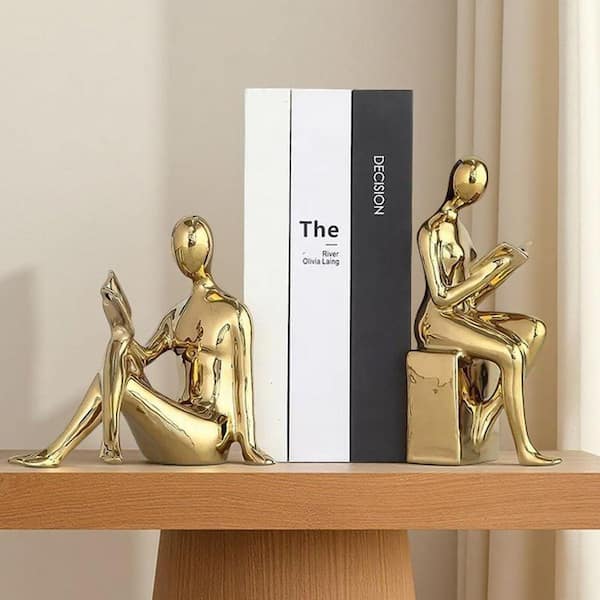
Even brand-new bookends can seem overpriced. Here is why.
1. Material and Weight Costs
Modern premium bookends often use solid metal casts or weighted bases, not hollow shells. More material means higher cost.
2. Design and Branding
Retailers charge more for stylish, minimalist, or artisan designs. A geometric brass pair from a boutique brand might cost $35, not for function, but for aesthetic appeal.
3. Retail Markup
Brick-and-mortar stores and curated online shops include display costs, storage, staff, and profit margins. An item that costs $10 to make might sell for $30 in a home decor store.
4. Niche Marketing
Search terms like “vintage animal bookends,” “mid-century modern brass,” “solid bronze bookends,” and “petrified wood bookends” target collectors, not casual buyers. This allows sellers to charge more.
Affordable Alternatives: Save Without Sacrificing Style
You do not need to spend $200 to keep your books upright. Here are smart, budget-friendly options.
Thrift Store Finds
- Brass or chrome pairs often sell for $2 to $12.
- Polish tarnished brass with vinegar and baking soda for a vintage-chic look.
- Look for solid weight and clean lines, not labels.
Online Bargains
- Search eBay for “vintage bookends” or “1950s chrome.”
- 1950s chrome pairs can ship for around $12.
- Filter by “used” or “as-is” for the lowest prices.
DIY and Upcycled Ideas
- River rocks: Free, natural, and stylish.
- Old weights: Pair with reclaimed wood for industrial flair.
- Stacked books: Tape two heavy hardcovers together.
- IKEA Socker: $5 minimalist metal pair, functional and modern.
How to Care for Valuable Bookends
If you own or inherit expensive bookends, proper care preserves their value.
Keep Them Clean and Dry
- Dust regularly with a soft, dry cloth.
- For metal, avoid abrasive cleaners and use brass polish sparingly.
- For stone or pottery, use only a slightly damp cloth with no harsh chemicals.
Protect from Damage
- Avoid direct sunlight, which fades glazes and weakens adhesives.
- Control humidity to prevent metal corrosion and plaster damage.
- Display on sturdy shelves, since heavy stone or bronze pairs need strong support.
Store with Care
Wrap pieces in soft cloth if storing. Keep them in a climate-controlled space. Elevate with acrylic risers to showcase details.
Frequently Asked Questions About Bookend Pricing
What makes some bookends worth hundreds of dollars?
Rare materials like solid bronze or petrified wood, labor-intensive manufacturing such as electroforming, and historical significance from Art Deco or Mid-Century Modern eras drive high prices. Collector demand for specific makers like Van Briggle or Rookwood also increases value.
How can I tell if my bookends are valuable?
Use the magnet test (no stick suggests bronze or brass), check the weight (heavy is better), look for a dimple on the bottom (indicates electroforming), and inspect for maker’s marks or signature glazes. Condition, rarity, and craftsmanship also matter.
Are expensive bookends a good investment?
Limited edition pieces by known makers, such as Walter Matteia bronze dogs, can hold or appreciate in value. However, most bookends are collectibles rather than guaranteed investments, so buy for enjoyment first.
Why do new bookends cost so much at retail stores?
Retail markup covers display, storage, staff, and branding. A $10 production cost can become $30 at a boutique store. Designer aesthetics and niche marketing also inflate prices.
Where can I find affordable vintage bookends?
Thrift stores, estate sales, and eBay are excellent sources. Brass and chrome pairs from the 1950s to 1970s often sell for $2 to $12. Look for solid weight and clean lines rather than labels.
What is the most expensive type of bookend?
Solid bronze or electroformed bronze pieces from the Art Deco era command the highest prices. Limited edition works by artists like Walter Matteia have sold for $1,500 or more.
Key Takeaways on Why Bookends Carry High Price Tags
So, why are bookends so expensive? Because many are not just functional. They are art, history, and collectibles. A $5 pair holds up books, while a $500 pair tells a story.
The high prices reflect labor-intensive techniques like electroforming, rare materials like solid bronze or petrified wood, historical significance from Art Deco and Mid-Century design, and collector demand for authentic, rare, or branded pieces.
If you are looking for utility, go budget. But if you appreciate craftsmanship, design, or the thrill of the hunt, a “simple” bookend might just be a hidden treasure. The next time you see a $200 bookend, ask “What is its story?” You might be looking at a piece of art, not just a shelf helper.