You have just unpacked a fresh stack of novels, and within minutes the pile topples sideways. Anyone learning how to use bookends quickly discovers that these small tools solve big problems. Beyond simply holding books upright, bookends organize entire rooms, protect valuable collections, and even moonlight as doorstops or jewelry displays. This guide walks you through material selection, smart placement, creative repurposing, and care tips so you get maximum function and style from every pair you own.
Choose the Right Material for Your Collection

The material you pick determines how well your bookends perform under real-world conditions.
Match Weight to What You Own
Heavy hardcover sets need serious support. Dense wood or solid metal bookends provide the weight and broad base required to anchor thick volumes without tipping. Lightweight paperbacks and magazines, on the other hand, work fine with plastic or slim metal designs. Pairing flimsy bookends with heavy books is the fastest path to collapse, so always assess your shelf load before buying.
Consider Aesthetic and Environment
Your decor style should guide your final choice. Brass and alabaster pieces add vintage elegance to formal living rooms. Sleek metal or transparent plastic fits modern, minimalist spaces. In kitchens and bathrooms, choose water-resistant materials like treated metal or plastic to avoid warping, rust, or staining from splashes and humidity. Untreated wood should stay far from sinks and showers.
Position Bookends for Maximum Stability
Even the best bookends fail when placed incorrectly.
Place a Pair at Both Ends
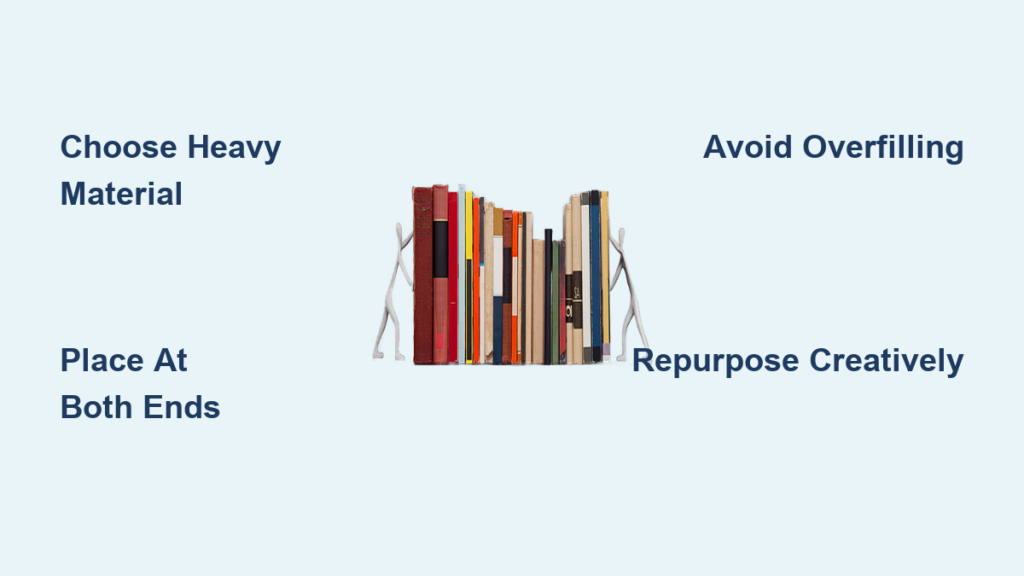
Always use two bookends, one at each end of a row. This creates balanced support and prevents leaning. Slide each bookend snugly against the outermost book without forcing it. Over-pushing compresses spines over time and damages covers. Books should stand straight, supported but never crushed.
Use Level Shelves Only
Bookends depend on gravity and friction. Uneven shelves cause books to slide and defeat the entire system. Before placing any bookend, check shelf alignment with a small bubble level. Adjust furniture legs or insert shims underneath if needed to create a flat surface.
Avoid Overfilling Between Supports
Too many books between two bookends create outward pressure that risks collapse. Limit each section to roughly 8 to 12 average-sized books, depending on bookend strength. On longer shelves, break large collections into multiple grouped sections, each secured by its own pair of supports.
Organize by Category or Use
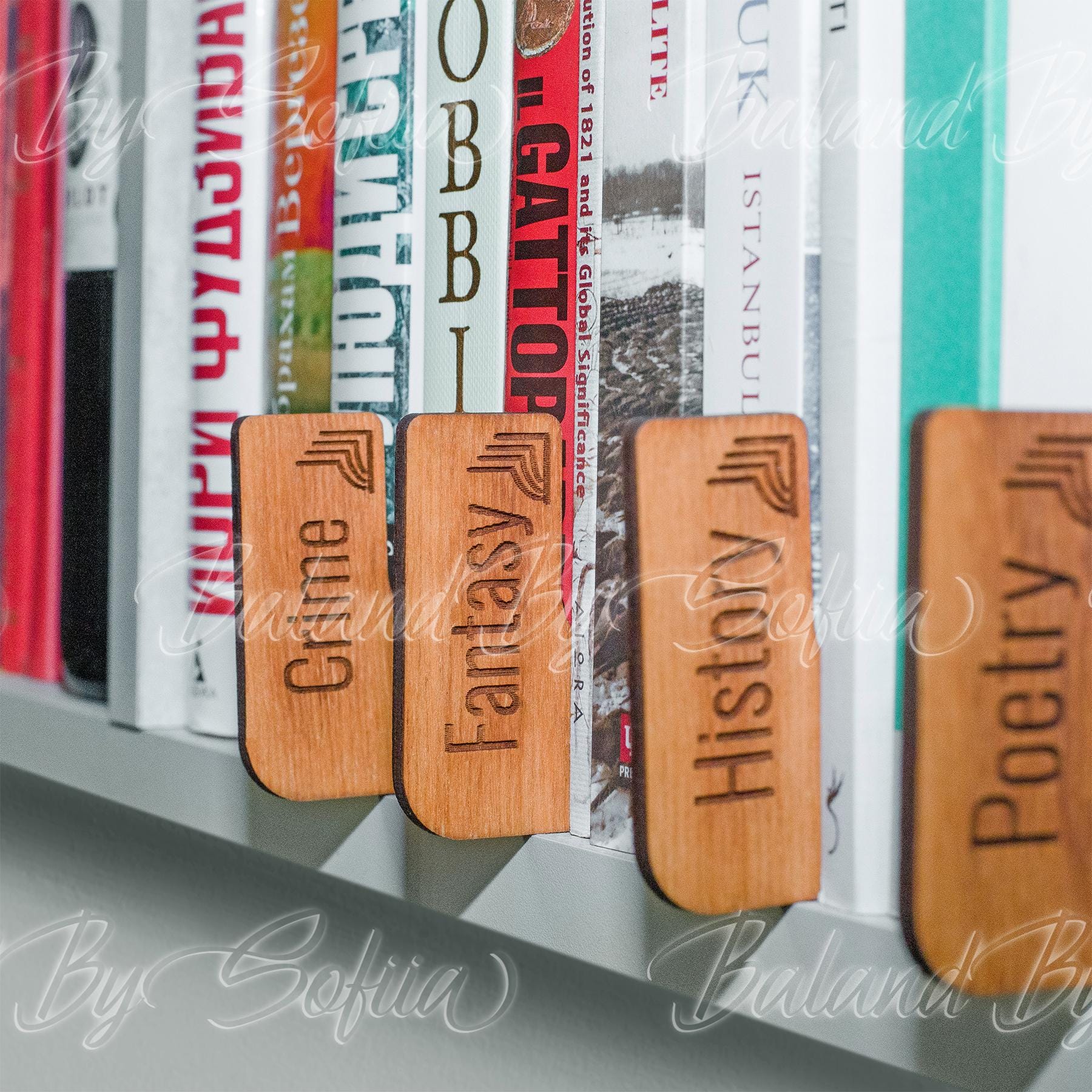
Bookends are powerful tools for creating order on any shelf.
Separate Genres Visually
Use bookends to create clear divisions between fiction and non-fiction, cookbooks and novels, or work manuals and leisure reads. This speeds up finding titles and gives shelves a curated, intentional look. Add small labels or tags if you want to identify sections at a glance.
Prioritize Accessibility
Place frequently used books in dedicated sections held by easy-to-reach bookends. A coffee table or desk works well for current reads. Nightstand bookends keep your evening book upright and ready. For children’s rooms, choose colorful, themed designs that encourage independent selection and tidy habits.
Maximize Narrow or Floating Shelves
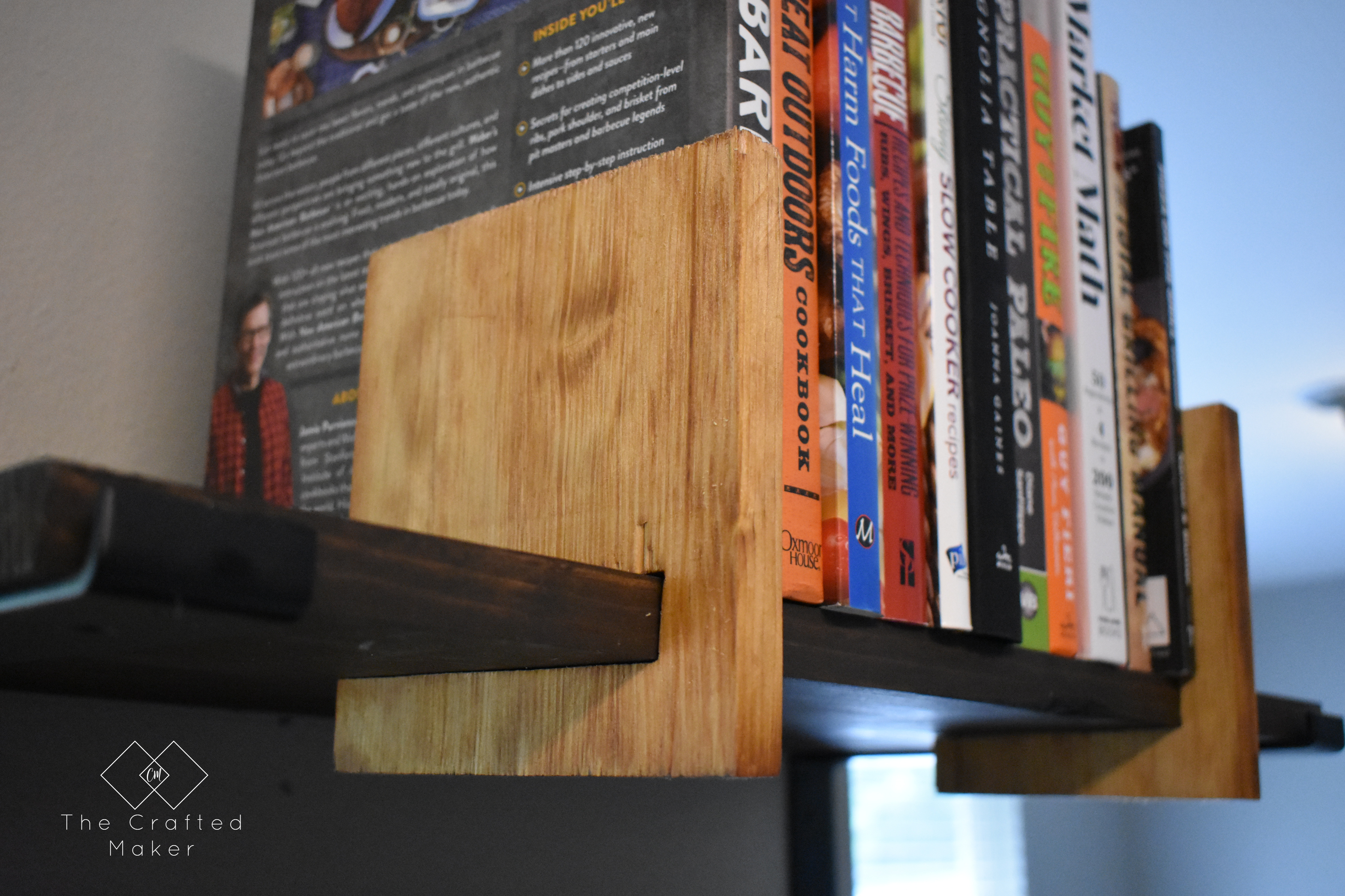
On slim shelves where depth is limited, L-shaped floating bookends are ideal. They sit flush or attach discreetly, preventing visual clutter while still securing books. These work beautifully behind sofas, in hallways, or above compact desks.
Protect Books Long-Term
Proper bookend use preserves the condition of your collection for years.
Prevent Spine Damage
Books stored horizontally or crammed at angles suffer spine stress and warping. Bookends keep volumes upright and aligned, reducing wear over time. Never wedge books diagonally against a wall or shelf edge as a substitute for proper support.
Shield from Dust and Impact
Tightly grouped books are less exposed to dust and accidental bumps. Pair bookends with occasional dusting using a dry microfiber cloth. Keep shelves away from high-traffic zones where knocks are common. For valuable editions, consider glass-front cabinets with internal bookends for added protection.
Repurpose Bookends Beyond Books
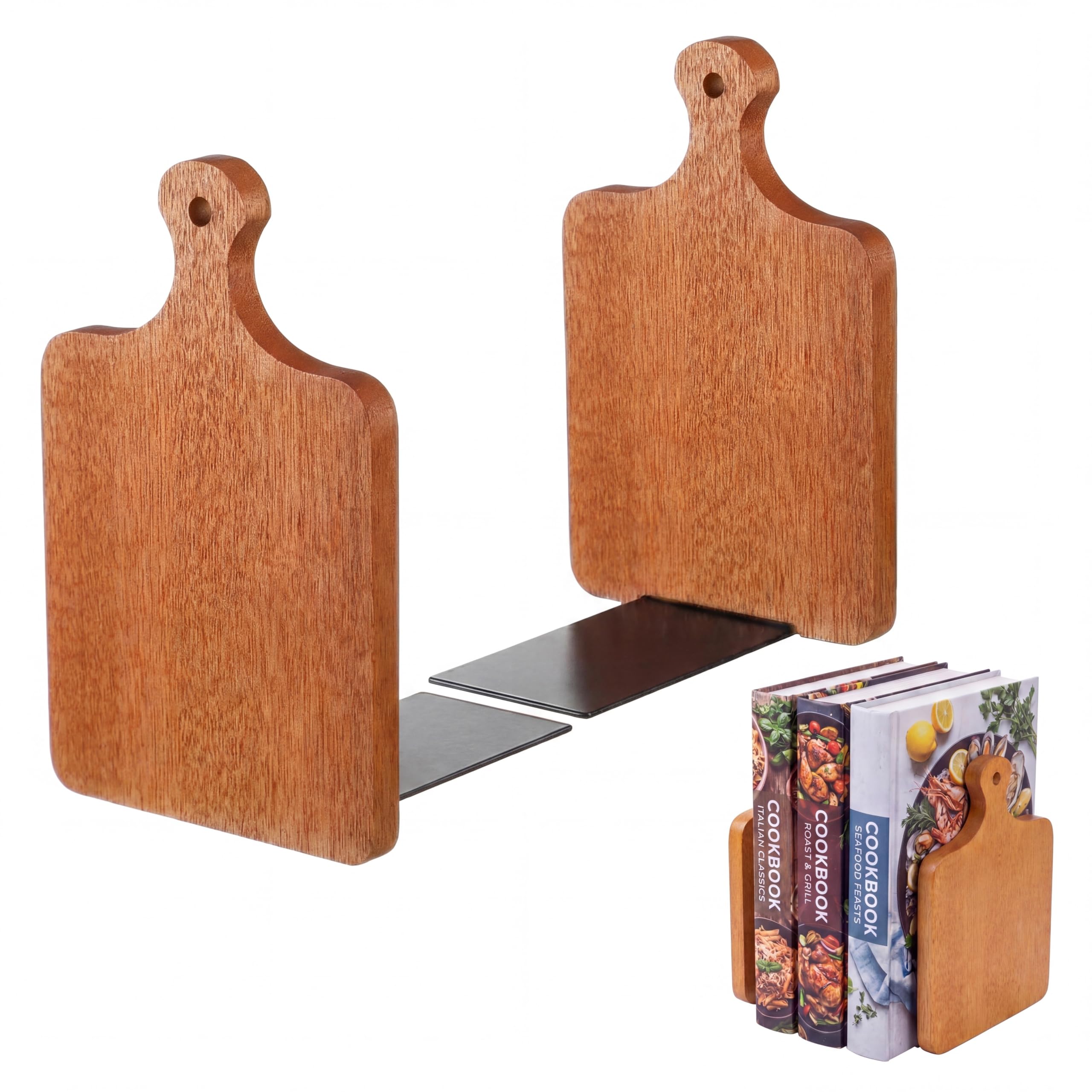
One of the best-kept secrets is how to use bookends without books at all.
Hold Kitchen Essentials
Turn kitchen chaos into order by placing bookends inside cabinets to organize cutting boards, baking sheets, or placemats upright. On countertops, they corral cookbooks for hands-free reading while cooking. Near the sink, water-resistant models safely hold watches or rings during dishwashing.
Manage Mail and Office Supplies
Skip the inbox pile by placing bookends on your entryway console to catch incoming mail. This separates junk from important items immediately. On your desk, bookends keep notebooks, tablets, and file folders upright, which is perfect for active projects and eliminates digging through stacks.
Display Media Collections
Keep vinyl records, CDs, and video games neat and accessible. Chunky metal bookends handle heavy record boxes well, while themed designs like sci-fi or trains add personality to game collections. This prevents warping and turns plain storage into an attractive display.
Create Non-Traditional Displays
Bookends can elevate everyday items into functional art.
Turn Into Jewelry Trees
Sculptural bookends like Greek busts or animal figures double as necklace and bracelet holders. Drape chains over curves or rest rings on flat surfaces. Place one on a vanity for both function and visual flair.
Prop Up Devices Safely
Need a hands-free tablet for recipes or videos? Place one bookend behind the device and flip another on its side in front to secure it. The front piece acts as a barrier, keeping curious fingers off the screen, which is great for kids’ entertainment during cooking or bath time.
Serve as Stylish Doorstops
A heavy single bookend makes an elegant doorstop. Use it to hold interior doors open for airflow or to keep cabinet doors closed. A brass duck or vintage piece adds charm while performing double duty around the home.
Build Garden Sconces
For outdoor flair, pair two artistic metal bookends to hold a candle or puck light. Glue them back-to-back with a battery-powered light sandwiched in between. Position them on patios or garden paths for ambient lighting, ensuring the design allows battery access for easy replacement.
Optimize Placement by Room
Strategic placement boosts both utility and visual appeal throughout your home.
Living Room Style and Function
On a coffee table, use bookends to display favorite reads or coffee table books. Choose designs that match your room’s theme, such as modern metal for minimalist decor or ornate stone for traditional spaces. They signal a curated, inviting atmosphere.
Bedroom Nightstand Organization
On a bedside table, bookends keep your current book, journal, and glasses within reach. Opt for personalized or decorative styles featuring literary quotes or nature motifs that reflect your taste and elevate the space.
Home Office Productivity
On your work desk, bookends maintain a clean, professional look while holding notebooks, reference manuals, or tablets upright. Select pieces with aesthetic appeal that inspire focus, whether sleek chrome, warm wood, or motivational designs.
Entryway First Impressions
Use bookends on a console table to organize mail, keys, and small essentials. This prevents clutter buildup in high-traffic areas and keeps daily items visible and accessible. Choose durable, low-maintenance materials that handle frequent contact.
Bathroom Small Space Solutions
On a vanity, bookends hold hand towels upright or prop up a tablet for entertainment during baths. Use water-resistant models to avoid moisture damage. Even a single piece adds order to tight spaces.
Maintain and Care Properly
Simple upkeep extends the life and beauty of your bookends.
Dust Regularly
Wipe bookends with a dry microfiber cloth weekly to remove dust. This preserves finishes and prevents grime buildup, especially on textured or carved surfaces. Avoid damp cloths on wood or porous stone to prevent damage.
Avoid Moisture Exposure
Unless labeled water-resistant, keep bookends dry. Do not place untreated wood or iron near sinks where splashes occur. Moisture leads to warping, rust, or staining, which shortens lifespan significantly.
Inspect for Wear
Check occasionally for loose parts, chipping paint, or wobbling bases. Address issues early, especially with antique or heavy pieces, to prevent accidents. For glued garden sconces, reseal if weather exposure begins to degrade the bond.
Source Smartly and Save
You do not need to pay retail for quality bookends.
Thrift Store Hidden Gems
Thrift shops often stock bookends in home decor sections, usually under $10 per pair. Look beyond labeled storage areas and check styled vignettes or bookshelves in display setups. If you find one, search nearby because its mate might be just steps away.
Estate Sale Quality Finds
Estate sales offer well-maintained, often vintage pieces in real-life use, such as holding cookbooks in kitchens. Prices range from $20 to $75, but the quality justifies the investment. These are pieces that retain value over time.
Antique Mall Hunting
Dealers vary widely in pricing. You might find 1930s elephant bookends for around $12 or mid-century alabaster pairs at premium prices. Visit often since inventory changes quickly. Look for historical themes like trains or classical busts, or nature-inspired designs like ducks and gardens for added character.
Know What to Look For
Seek broad bases, solid construction, and clean finishes. Specific examples worth seeking include the Rolife Holiday Garden House for nature-themed spaces, the Rolife Time Travel and Century Train for history buffs, a brass duck that doubles as a vintage doorstop, and a Greek goddess bust perfect for jewelry display.
Avoid Common Mistakes
Small errors can reduce effectiveness and damage your books.
Do Not Mismatch Weight Capacity
Using light plastic bookends for heavy encyclopedias is a recipe for collapse. Always match material and size to your load. When in doubt, go heavier rather than lighter.
Do Not Force Books Into Place
Packing books too tightly against bookends or shelf walls warps spines and damages covers. Allow slight give so books stand firmly but are never crushed.
Do Not Discard Singles
Finding one bookend at a thrift store is not a loss. Use it alone as a doorstop, paperweight, jewelry holder, or standalone art piece. Its function extends far beyond pairing.
Frequently Asked Questions About Bookends
What is the best material for bookends holding heavy books?
Dense wood and solid metal are the best materials for heavy hardcover collections. Their weight and broad bases provide the stability needed to prevent tipping under significant load.
How many books can one pair of bookends support?
Most pairs handle 8 to 12 average-sized books comfortably. The exact number depends on bookend strength and book weight. For longer shelves, break larger collections into multiple sections.
Can bookends damage book spines?
Bookends themselves do not damage spines when used correctly. However, forcing books too tightly against bookends or shelf walls can warp spines over time. Allow slight give for proper support.
Where can I find affordable, unique bookends?
Thrift stores, estate sales, and antique malls are excellent sources. Thrift stores typically price pairs under $10, while estate sales range from $20 to $75 for quality vintage pieces. Antique malls offer everything from budget finds to investment-grade alabaster.
Are bookends useful for things other than books?
Absolutely. Bookends organize mail, hold cutting boards upright, prop up tablets, display jewelry, serve as doorstops, and even function as garden sconces. Their weight and L-shape make them versatile household tools.
How do I clean and maintain bookends?
Dust weekly with a dry microfiber cloth to preserve finishes. Avoid moisture on wood or porous stone. Inspect periodically for loose parts or wobbling bases, especially on antique or heavy pieces.
Final Takeaways on Using Bookends Effectively
Knowing how to use bookends goes far beyond propping up a few novels. They are essential tools for organization, protection, and creative expression throughout your home. Choose materials that match your load: metal for strength, wood for warmth, and plastic for light-duty tasks. Place them correctly on level shelves, at both ends of each row, without overloading the space between. Repurpose them in kitchens, offices, bathrooms, and gardens to tackle clutter in smart, stylish ways. Source wisely through thrift stores and estate sales to find unique, durable pieces at great value. With proper care and thoughtful placement, bookends become more than functional accessories. They become part of your home’s personality. Start small by organizing one shelf or repurposing one pair, and feel the immediate difference in order and calm.