You spend hours at your desk whether working, studying, or creating. A poorly chosen desk can lead to discomfort, low productivity, and a cluttered mindset. But the right one supports your posture, fits your space, and enhances your focus. With so many styles, sizes, and features, how to choose a desk becomes more than a shopping decision, it is an investment in your daily well-being.
This guide cuts through the noise using real data and expert insights to help you pick the perfect desk. You will learn how to match your workstyle, space, budget, and design preferences with the ideal desk type without overspending or settling for less. From measuring your room to optimizing ergonomics, every factor is covered so you can make a confident, informed choice.
Measure Your Space Before Shopping
Before browsing desks, measure your room accurately. A beautiful desk that does not fit is a costly mistake you can avoid with proper planning.
Check Clearance and Access
Allow 30 to 36 inches of front clearance for chair movement. Leave 36 to 42 inches behind the desk to fully pull out your chair. Ensure enough vertical space for hutch style desks by checking your ceiling height. Confirm the desk will not block doors, HVAC units, or outlets.
Plan for Delivery Logistics
Even if the desk fits in the room, will it fit through the door? Measure hallways, stairwells, and elevator dimensions. Check the desk packaging size, as some units ship flat but are bulky.
Use Digital Tools to Visualize Fit
Draw a floor plan with exact dimensions to test configurations. Try AR apps from IKEA, Wayfair, or Amazon to project desks into your space. Consider modular or corner desks for awkward or narrow rooms.
Match Your Desk to Your Workstyle

Your job, tools, and habits determine the best desk type. A one size fits all approach does not work when selecting furniture that impacts your daily comfort.
Identify Your Equipment Needs
Determine if you use a laptop or desktop computer. Count how many monitors you need, as dual or triple setups require 60 inches or more in width. Consider whether you need space for a printer, tablet, or camera gear. Factor in books, notebooks, or supplies that need permanent home.
Choose Between Open or Hidden Storage
Open shelving or cubbies provide easy access for frequently used items. Drawers and cabinets hide clutter and are ideal for files, stationery, or personal items. Modesty panels add privacy in shared spaces or during video calls.
Select the Right Desk by User Type
| User | Best Desk Type | Why It Works |
|---|---|---|
| Remote Worker or Minimalist | Writing desk, compact sit-stand | Clean look, just enough space for a laptop |
| Creative Professional | L-shaped, U-shaped | Extra room for tablets, reference boards, dual monitors |
| Gamer or Streamer | Gaming desk, corner desk | Wide surface, RGB lighting, cable management |
| Student or Child | Adjustable-height desk | Grows with the user, durable for daily use |
| Executive or Business Owner | Executive desk with hutch | Projects authority, stores files securely |
| Health-Focused User | Sit-stand desk | Encourages movement, reduces back pain |
| Shared Space User | Floating, fold-down desk | Saves floor space, blends with decor |
Set a Realistic Budget
Desks range from $100 to $5,000 or more. Know your budget early to avoid temptation or underbuying on features that matter.
Price Ranges by Desk Type
Basic writing or computer desks cost $100 to $300 and work for light use or temporary setups. Mid-range desks with L-shapes, storage, or standing features range from $300 to $800 with better materials and longer lifespan. High-end sit-stand or executive desks cost $800 to $2,500 or more with premium build, motorized height, and solid wood. Luxury designer desks range from $2,000 to $5,000 or more for iconic style and artisan quality.
Standing desk converters start under $150 as a budget-friendly way to add height adjustability.
Why Spend More on Quality
Higher-priced desks often offer longer warranties of 3 to 10 years on motors. Better materials like solid wood and steel frames last longer. Smoother operation comes from dual-motor sit-stand desks. Greater resale value holds for premium brands.
Choose the Right Desk Type for Your Needs
Each desk type solves a different problem. Pick based on space, function, and workflow to get the most value.
Fix Small Spaces with Floating or Ladder Desks
Wall-mounted or ladder-style desks save floor space. These work well in apartments, bedrooms, or closets. They are best for laptop users who need limited surface area. The Folk Ladder Desk offers a petite, stylish option with small shelves.
Boost Productivity with Sit-Stand Desks
Electric motorized desks provide smooth, quiet, one-touch height change. Manual crank desks are slower but cheaper and reliable. Pneumatic converters sit on top of existing desks. Key specifications include height range of 22 to 48 inches to fit most users, weight capacity of 150 to 350 pounds including monitors and PC, steel legs with crossbars and anti-wobble feet for stability, and noise level of 45 to 60 decibels quiet enough for offices.
Top brands include Uplift Desk, FlexiSpot, Herman Miller, and VariDesk. Pair with an anti-fatigue mat and supportive shoes for standing sessions.
Maximize Storage with Hutches and Cabinets
A hutch is a shelving unit mounted on top of the desk using no extra floor space. It includes cubbies, cabinets, file slots, or lighting. This works great for small offices needing frequent file access. Top brands include Sauder, Bush Furniture, and Realspace.
Work Efficiently with L-Shaped or Corner Desks
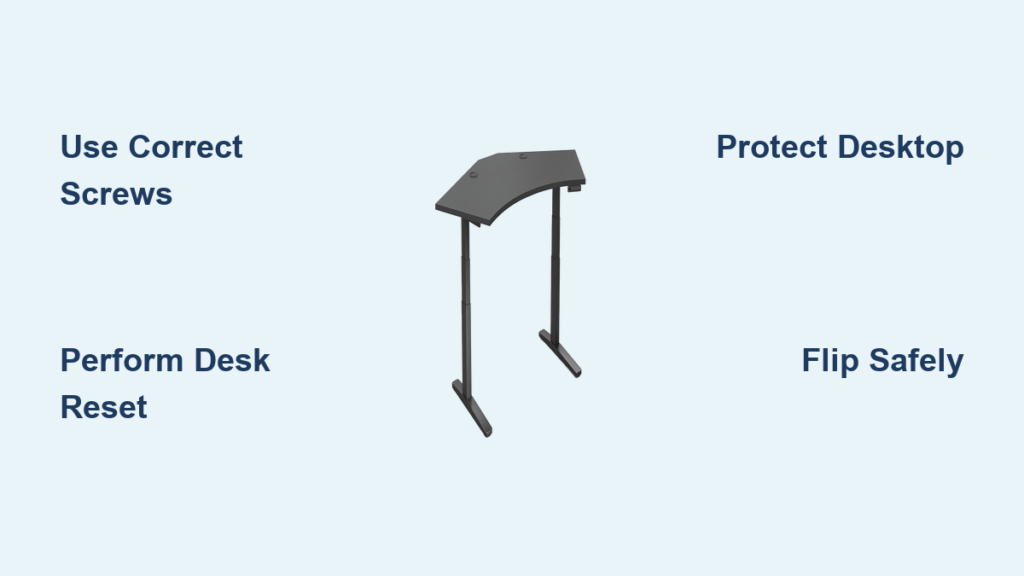
These fit snugly into corners to maximize space. One side handles the computer while the other holds notes, printers, or collaboration materials. They need a room of at least 8 feet by 8 feet. Most include drawers, keyboard tray, and cable management. Ideal users include gamers and multitaskers with dual monitors.
Keep It Simple with Writing Desks
Minimalist design features a large flat surface with 1 to 3 drawers. No overhead storage creates a clean, uncluttered look. Depth of 20 to 24 inches works well for laptops. Best for home offices, bedrooms, and minimalist interiors. The Herman Miller Nelson Swag Leg Desk is a design classic.
Handle Heavy Workloads with Executive Desks
Large, deep surfaces measure 60 inches or more wide and 30 inches or more deep. Multiple drawers include locking file storage. Materials include solid wood, leather inlays, and premium finishes. Often paired with a credenza or hutch. The Eames 2500 Series is iconic, functional, and timeless.
Organize with Built-in Storage Desks
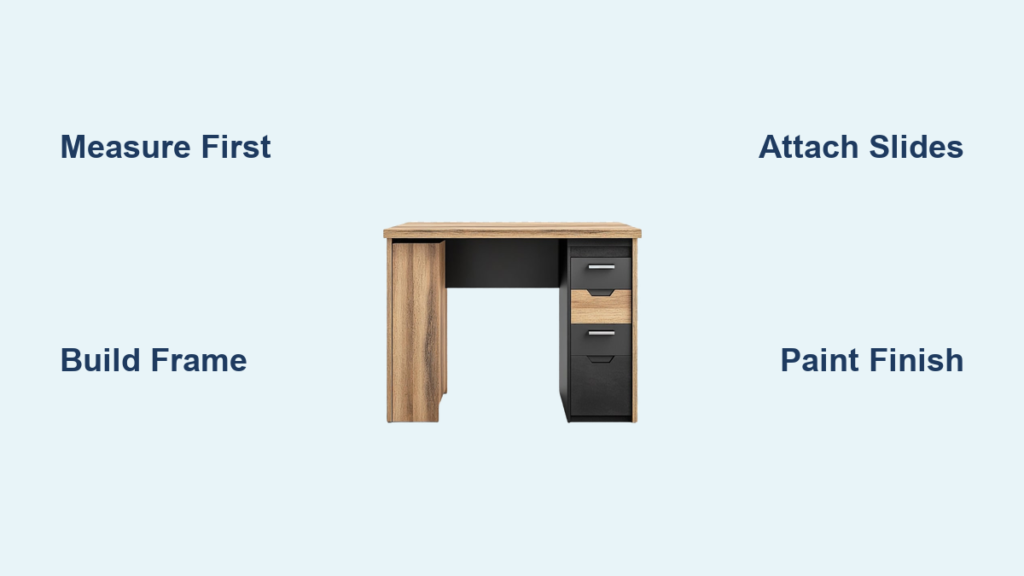
Built-in drawers, shelves, cubbies, and filing spaces keep supplies close. Some models include router slots or monitor risers. The Mode Desk offers colorful drawers with flexible left or right installation. The Line Desk provides 360-degree design, router space, and sleek storage.
Game or Stream with Gaming Desks

Extra-wide and deep surfaces fit multiple monitors and consoles. Features include RGB lighting, cup holders, and headphone hooks. Often L-shaped or curved for immersive setup. Top brands include Arozzi, Secretlab, and FlexiSpot.
Upgrade Without Replacing: Desk Risers
These sit on your current desk and turn it into a standing desk. Manual or electric height adjustment holds the monitor and keyboard. Weight limit ranges from 20 to 50 pounds. Best for renters, budget users, or those testing sit-stand benefits. Top brands include VariDesk, VersaDesk, and FlexiSpot.
Prioritize Ergonomics for Health
A desk that looks good but feels bad is not worth it. Proper ergonomics prevent pain and boost focus throughout your workday.
Find the Right Desk Height
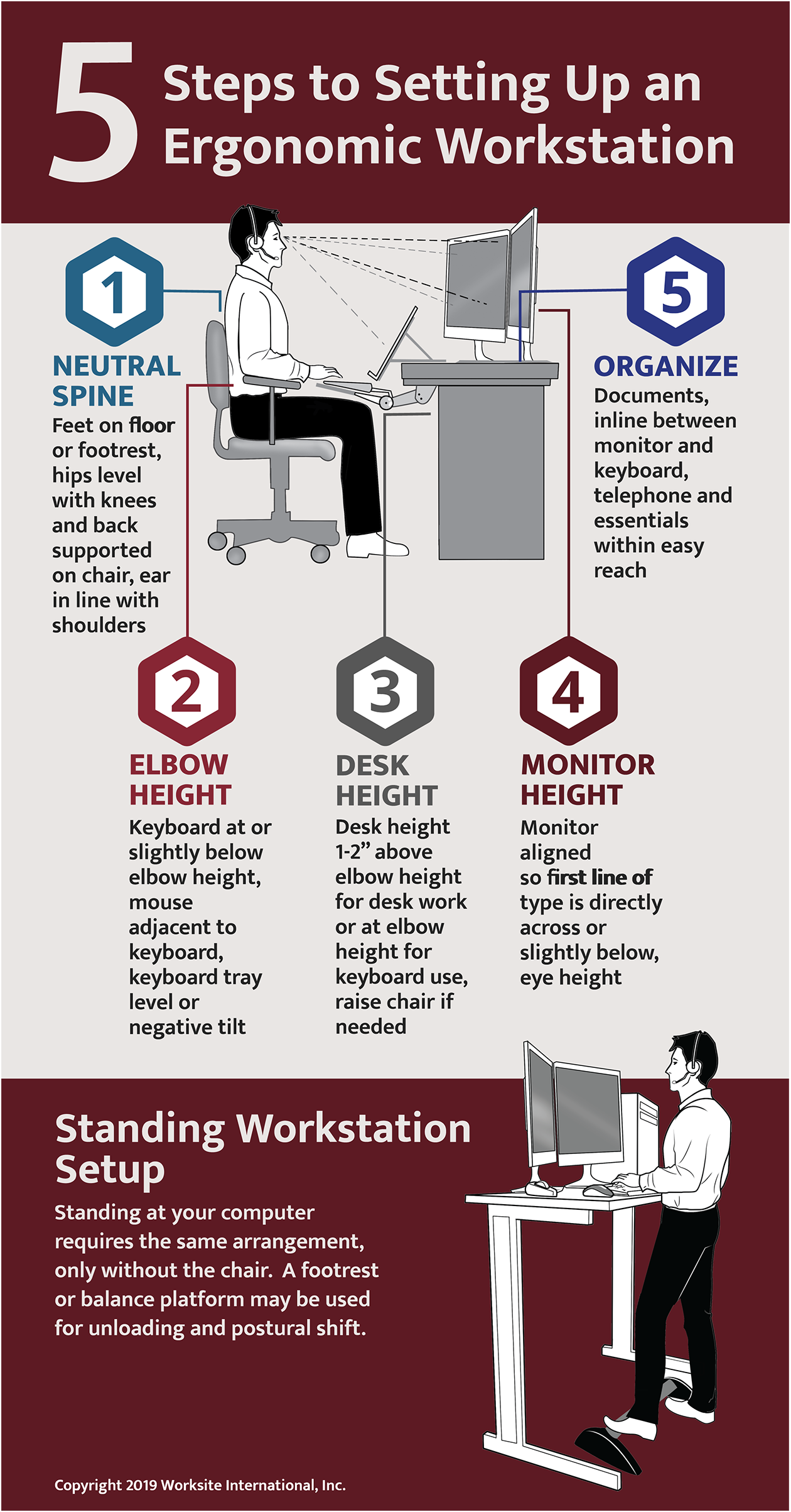
Standard height is approximately 30 inches. Users under 5 feet 6 inches may prefer 27 inches. Taller users may need 31 inches. Adjustable desks offer the best custom fit. Your elbows should form a 90-degree angle when typing with feet flat on the floor.
Position Your Monitor Correctly
The top of the screen should be at or slightly below eye level. Distance from eyes should be 20 to 30 inches. The monitor should be centered in front of you. Avoid glare by placing the desk perpendicular to windows.
Set Up Keyboard and Mouse Properly
The keyboard sits on the desk or pull-out tray with wrists neutral, not bent up or down. The mouse stays at the same height as the keyboard. Keep frequently used items within arm’s reach.
Ensure Adequate Legroom
Minimum 24 inches of depth under the desk provides legroom. Vertical clearance under the desktop should be at least 27 inches. The apron or front edge should not stick out too far.
Pair with an Ergonomic Chair
Even the best desk fails without the right chair. Your chair must allow full height adjustment. It should have adjustable armrests. It must swivel and roll easily. It provides lumbar support and matches desk height perfectly. Top picks include Herman Miller Aeron, Embody, and Steelcase Leap.
Pick Materials That Last
The desk material affects durability, look, and maintenance requirements over time.
Compare Desk Surface Materials
Solid wood offers durability and warm aging but costs more and needs care. Wood veneer provides a real wood look at a lower price but can peel if damaged. Laminate resists scratches and cleans easily but has a plastic feel. Metal frames offer strength and an industrial look but can dent. Tempered glass looks sleek and opens small spaces but shows smudges. Recycled materials are eco-friendly and unique but vary in quality.
Check Frame and Leg Quality
Steel legs provide the most stability, ideal for sit-stand desks. Wood legs look beautiful but ensure thick joints. Crossbars reduce wobble. Leveling feet adjust for uneven floors.
Review Warranty and Support
Sit-stand desks typically cover motors for 3 to 10 years and frames for 1 to 5 years. Standard desks come with 1 to 5 year limited warranties. Choose brands with good customer service and replacement parts availability.
Match Your Design Style
Your desk should blend with your room vibe rather than clash with it.
Popular Desk Styles
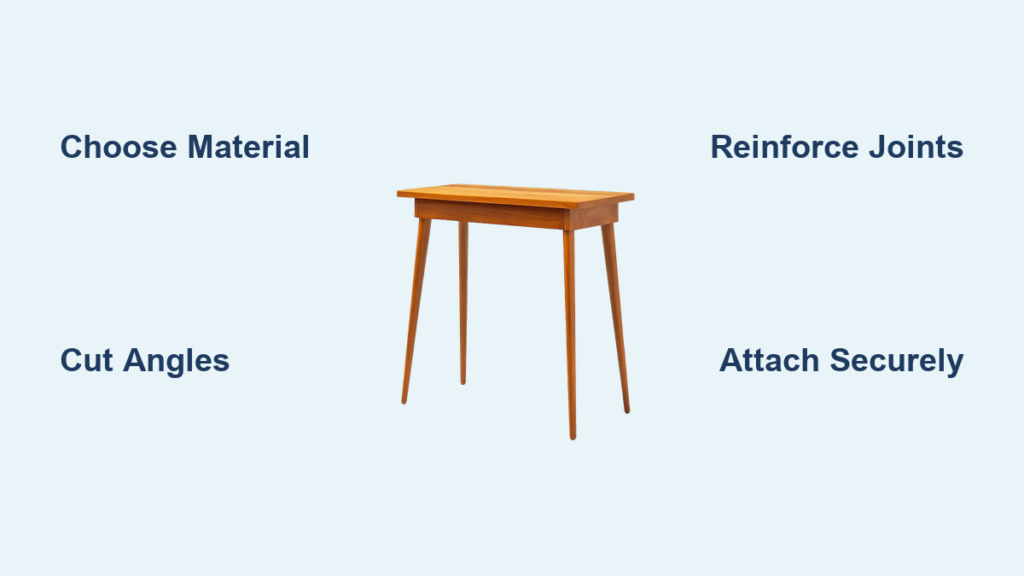
Modern style features clean lines with glass, metal, and black or white laminate. Traditional style uses rich tones like cherry, mahogany, and walnut with ornate details. Mid-Century Modern offers tapered legs and organic shapes in teak, oak, or walnut. Industrial style combines exposed metal with reclaimed wood. Minimalist style keeps surfaces clean with hidden storage and neutral colors. Transitional style blends classic and modern elements for timeless appeal.
A neutral desk in white, gray, or natural wood is easier to match with future decor changes.
Manage Cables Like a Pro
Tangled cords kill productivity and look messy. Solve this with built-in solutions and accessories.
Built-in Cable Solutions
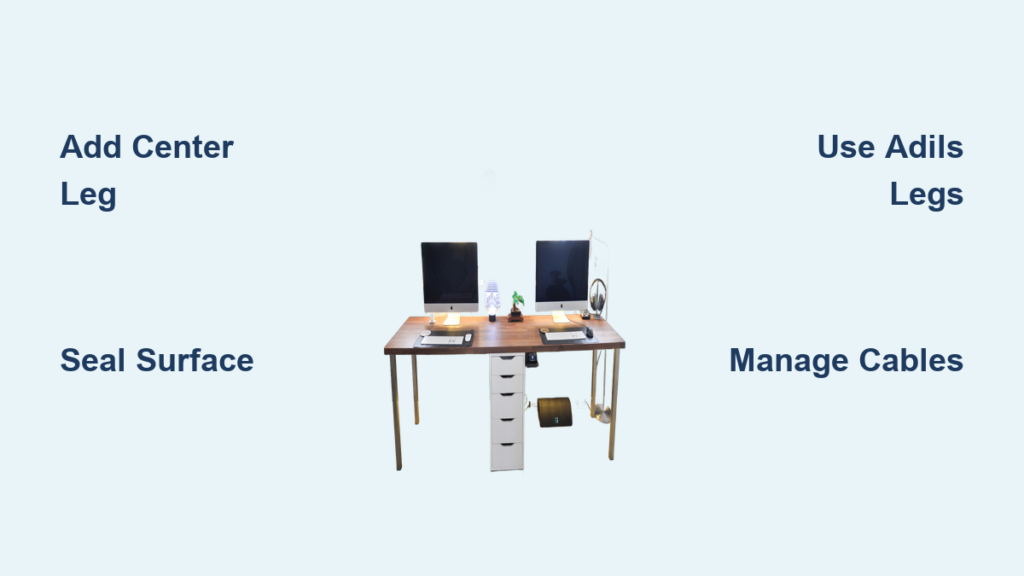
Grommet holes let cords drop through the desktop. Cable trays under the desk keep wires off the floor. Raceways and sleeves hide cords along desk legs or walls. Built-in power outlets or USB ports reduce adapter clutter.
Add Cable Management Accessories
Cable clips or ties bundle and route cords neatly. A power strip with surge protection centralizes plugs. Desk grommet covers hide unused holes and improve appearance. Label cords so you know which is which.
Optimize Desk Placement for Focus
Where you place your desk affects light, comfort, and workflow throughout the day.
Use Natural Light Without Glare
Place the desk near a window for daylight. Never face the window directly as screen glare causes eye strain. The best position is to the side of the window with blinds or curtains to control light.
Stay Near Power Outlets
Avoid long extension cords by positioning near existing outlets. Use a power strip to access multiple devices. Consider wireless charging pads for phones.
Protect Your Floor
Use a desk mat or rug under rolling chairs. This prevents scratches and reduces noise on hard floors.
Add Personal Touches
Plants improve air quality and mood. Art or photos inspire creativity. Task lighting with an LED desk lamp with adjustable arm reduces eye strain.
Complete Your Workspace Setup
A desk is just the start. Finish strong with the right accessories to maximize functionality.
Essential Add-Ons
An ergonomic chair matches desk height and supports posture. A monitor riser elevates the screen to eye level. A desk organizer holds pens, notepads, and phone. A task lamp provides adjustable brightness without flicker. A mobile file cart like the OE1 Trolley offers portable storage. A wall bookshelf like the Story Bookcase frees up desk space.
Start simple and add accessories as you identify specific needs.
Final Checklist for Choosing Your Desk
Confirm you have measured your space including width, depth, clearance, and doorways. Verify you matched the desk type to your workstyle whether gamer, remote worker, or executive. Ensure you set a budget and stuck to it. Confirm you chose a desk type like sit-stand, L-shaped, or writing desk. Check that ergonomic fit works including height, monitor position, and legroom. Verify you selected durable material like wood, laminate, or metal. Confirm the design matches your room style like modern, traditional, or minimalist. Plan for cable management using grommets, trays, or power solutions. Pair with an ergonomic chair and proper lighting. Add personal touches like plants, art, or storage.
Frequently Asked Questions About Choosing a Desk
What is the ideal desk height for most adults?
The standard desk height is approximately 30 inches. Users under 5 feet 6 inches may prefer 27 inches while taller users may need 31 inches. The key is ensuring your elbows form a 90-degree angle when typing with feet flat on the floor.
How much should I budget for a quality home office desk?
Basic desks range from $100 to $300. Mid-range desks with better materials cost $300 to $800. High-end sit-stand or executive desks range from $800 to $2,500 or more. Luxury designer desks cost $2,000 to $5,000 or higher.
What desk type works best for a small apartment?
Floating or wall-mounted desks save the most floor space. Ladder desks offer a petite footprint with vertical storage. Fold-down desks work well in multi-use areas. Measure your space first to ensure proper fit through doorways.
Should I choose a sit-stand desk for health benefits?
Sit-stand desks promote movement and reduce back pain from prolonged sitting. They improve blood circulation and enhance focus. Electric models offer smooth height adjustment. Budget-friendly converters start under $150 if you want to test the benefits first.
How do I choose between open storage and hidden drawers?
Open shelving provides easy access for frequently used items. Hidden drawers and cabinets keep clutter out of sight for a cleaner look. Consider your workflow and whether you prefer items visible or tucked away.
Key Takeaways for Choosing Your Perfect Desk
The best desk is not the most expensive or trendiest option. It is the one that fits your body, space, and workflow perfectly. Take time to measure your room accurately before shopping. Match your desk type to your actual work needs whether you use multiple monitors, need file storage, or work from a laptop. Prioritize ergonomics with proper height, monitor position, and legroom to prevent pain and boost productivity. Choose durable materials that match your design style and budget. A great desk does not just hold your computer. It supports your productivity, health, and peace of mind for years to come.