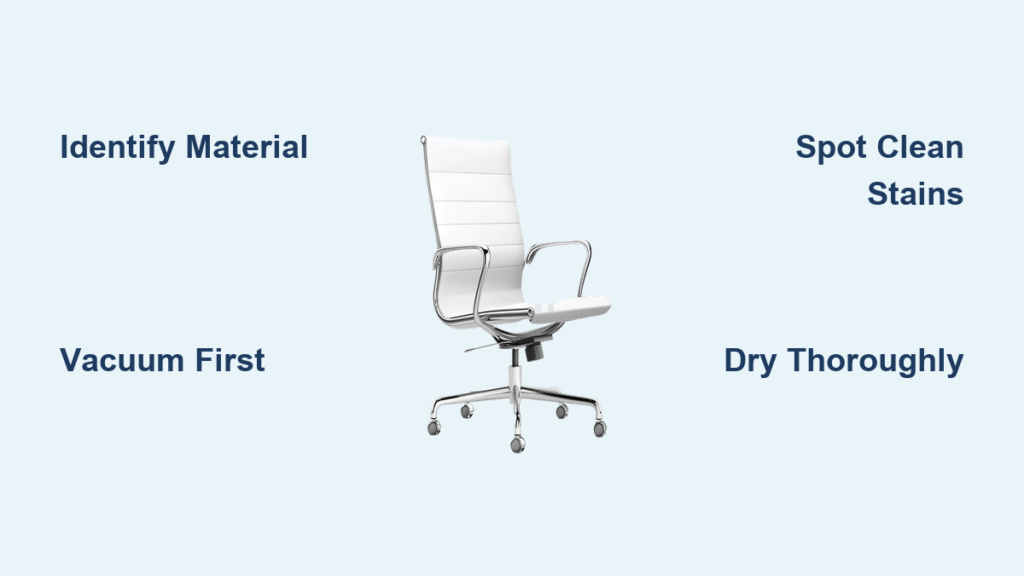
Your desk chair faces daily abuse from skin oils, dust, hair, food crumbs, and accidental spills. Over time, this buildup creates an unhygienic environment and dulls your chair’s appearance. Learning how to clean desk chair properly protects your investment, maintains comfort, and extends the life of your furniture.
Different materials require different approaches. What works for fabric may damage leather, and the wrong cleaner can void your warranty. This guide covers every material type, from fabric and mesh to leather and vinyl, with proven methods that won’t cause harm.
Identify Your Chair’s Material
Before cleaning, determine what your chair is made of. Using the wrong method can cause irreversible damage.
Check the Fabric Care Code
Look for a care tag under the seat, behind the backrest, or beneath an armrest. The code tells you what cleaning methods are safe.
Common codes include:
- “W”: Water-based cleaners only
- “S”: Solvent or dry-cleaning only
- “SW” or “WS”: Safe for both water and solvent
- “X”: Professional cleaning only
- “C”: Crypton fabric, use water-based cleaners only
Warning: Never use water on “S”-coded fabric. It can cause staining or fiber breakdown.
Spot-Test First
Apply any cleaner to a hidden area first. Check for discoloration or texture changes before treating visible spots.
Remove Dry Debris First

Always start with dry cleaning to eliminate loose dirt, dust, and hair.
Vacuum or Brush Thoroughly
Use a vacuum with a brush or crevice attachment to clean:
- Seat and backrest surfaces
- Seams and stitching
- Armrests
- Base and casters
For mesh chairs, use gentle suction to avoid snagging fibers. For fabric upholstery, brush in one direction, lifting at the end of each stroke to pull debris away.
Pro Tip: Follow brushing with vacuuming. This two-step process removes up to 90% of surface grime.
Time Required: About 5 minutes
Disinfect Non-Porous Surfaces
Sanitize parts you touch daily to reduce germs and bacteria.
Wipe Down Armrests and Controls
Use disinfectant wipes or a spray labeled safe for plastic and metal on:
- Armrests
- Height and tilt levers
- Base and casters
- Chair frame
Do not apply disinfectant directly to fabric or leather.
Rinse After Disinfecting
Wipe surfaces with a clean, damp cloth after disinfecting. Chemical residue attracts more dirt and can degrade plastic over time. Let parts air dry completely before use.
Spot Clean Stains Safely
This method works for most materials and is the safest first response to spills.
Use Mild Soap and Water
You will need:
- Mild dish soap like Dawn
- Lukewarm water
- Two microfiber cloths
- Spray bottle
Blot, Do Not Rub
- Vacuum the area first.
- Mix a few drops of soap with water.
- Dampen one cloth. Never soak it.
- Blot the stain in small circles. Do not scrub.
- Flip the cloth often to avoid spreading grime.
- Wipe with a second cloth dampened with plain water.
- Blot dry with a towel.
- Use a hair dryer on cool or low to speed drying.
Warning: Never oversaturate the material. Excess moisture leads to mold and glue breakdown.
Time Required: About 5 minutes per stain
Deep Clean Heavily Soiled Chairs
When spot cleaning is not enough, go deeper.
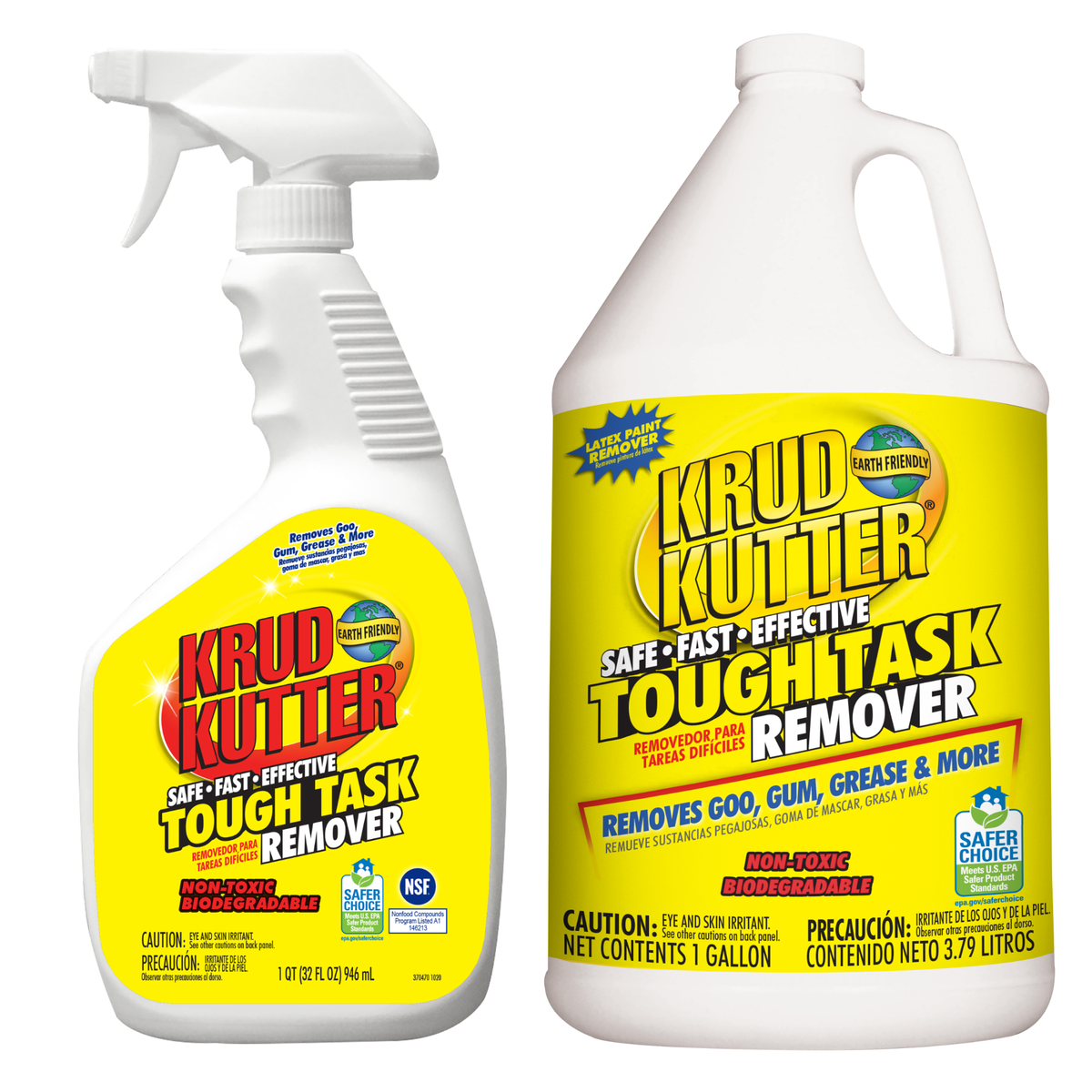
Try Krud Kutter Tough Task Remover
For greasy or set-in grime:
- Test on a hidden spot first.
- Spray directly on the stain.
- Wait up to 10 minutes.
- Gently scrub with a non-abrasive sponge.
- Wipe with a wet dish towel.
- Dry thoroughly with a hair dryer.
Warning: Ventilate well. This product has strong fumes.
Use Enzyme Cleaners for Organic Stains
For sweat, urine, or food spills, enzyme cleaners work best:
- Nature’s Miracle or Woolite Oxy Petcare break down organic matter.
- Apply, wait 5 to 10 minutes, blot, then rinse.
User Insight: One Reddit user called enzyme cleaners “the best for hidden messes.”
Clean Fabric Desk Chairs
Fabric chairs trap the most dirt. Clean them carefully to avoid damage.
For “W” and “SW” Codes
- Vacuum thoroughly.
- Mix one-quarter cup of dish soap per gallon of water.
- Mist onto fabric with a spray bottle.
- Gently scrub with a soft brush, working from outside inward.
- Rinse with clean water on a cloth.
- Blot dry and air dry completely.
Pro Tip: Leftover soap attracts dirt. Rinse thoroughly.
For “S” Code Only
Use a Renuzit Dry Cleaning Sponge or water-free solvent:
- Dampen a soft cloth with solvent.
- Blot. Do not saturate.
- Work in a ventilated area.
- Let dry fully before use.
Warning: Never mix water and solvent cleaners.
Clean Faux Leather Vinyl Chairs
Vinyl is easy to clean but can crack if misused.
Standard Cleaning
- Wipe spills immediately with a damp cloth.
- Clean with mild soap and water.
- Rinse and pat dry.
For Tough Stains
- Ink, grease, crayon: Use Formula 409 or Fantastik, then rinse.
- Blood, urine, oil paint: Apply a 6% bleach solution (1:15 bleach to water), rinse, then dry.
- Stubborn stains on PERMABLOK3 vinyl: Try naphtha (lighter fluid) or 70% isopropyl alcohol, then rinse.
Warning: Never use full-strength bleach or alcohol. They dry out vinyl.
Application Tip: Rub with a cotton cloth in 10 small circles, then pat dry.
Maintain Leather Desk Chairs
Leather needs gentle care to avoid cracking.
Clean Without Stripping Oils
- Vacuum weekly with a soft brush.
- Mix a few drops of mild soap into one quart of distilled water.
- Dampen a lint-free cloth, wipe gently.
- Use a second damp cloth to remove soap.
- Dry with a soft towel.
Never use: Vinegar, ammonia, alcohol, or household cleaners. They strip natural oils.
Condition Every 6 to 12 Months
Apply a leather conditioner to keep it soft and prevent drying. Condition after cleaning for best absorption.
Clean Mesh Desk Chairs
Mesh is breathable but holds dust and oils in its weave.
Vacuum First
Use a crevice tool to pull out debris from the weave. Do this before wet cleaning.
Dab, Do Not Scrub
- Mix warm water and mild soap.
- Dampen a soft cloth.
- Dab gently. Never rub.
- For stains, use upholstery foam.
- Rinse by dabbing with a water-dampened cloth.
- Blot dry and air dry completely.
Warning: Avoid soaking. Water can damage internal foam or adhesives.
Wipe Down Plastic and Wood Parts
Non-upholstered components need attention too.
Clean Plastic Seats
- Use mild detergent and water.
- Wipe with a soft cloth or brush.
- Do not let dirt get trapped under the rag. This causes scratches.
Avoid: Scouring pads, abrasive cleaners, alkaline solutions.
Care for Wood Accents
- Dust with a cloth lightly dampened with furniture polish.
- Never use water. It warps wood.
- Polish with the grain.
- Stick to one polish brand to avoid chemical reactions.
Long-Term Tip: Avoid silicone-heavy polishes. They build up and block refinishing.
Dry Thoroughly to Prevent Mold
Moisture is the enemy of all chair materials.
Speed Up Drying
- Blot with dry towels.
- Use a hair dryer on low or cool.
- Place near a fan or open window.
Golden Rule: No dampness left overnight. Mold can start in 24 to 48 hours.
Restore When Cleaning Is Not Enough
If your chair is beyond cleaning, consider these fixes.
Reupholster with New Fabric
- Cut fabric to size.
- Secure underneath with a fabric stapler.
- Instantly refreshes appearance.
Use Car Seat Covers
- Buy from the auto parts store.
- Fits many desk chairs.
- Washable and protective.
Budget Hack: One Reddit user said, “I would just fix it with new covers.”
Follow a Simple Maintenance Schedule
Keep your chair clean with regular care.
| Task | Frequency |
|---|---|
| Vacuum or brush | Weekly |
| Disinfect armrests and levers | Bi-weekly |
| Spot clean spills | Immediately |
| Deep clean | Every 6 to 12 months |
| Polish plastic and metal | Monthly |
| Condition leather | Every 6 to 12 months |
Golden Rule: Clean spills right away. Delaying sets stains.
Avoid Warranty-Voiding Mistakes
Many warranties are voided by improper cleaning.
Safety Checklist
- Follow manufacturer instructions
- Test cleaners first
- Use gloves and ventilate when using strong chemicals
- Never use bleach, ammonia, or alcohol unless specified
- Avoid abrasive tools
Warning: Harsh chemicals can degrade fabric, crack vinyl, and damage finishes.
Key Takeaways for Cleaning Your Desk Chair
You now know how to clean desk chair safely, no matter the material. The key steps are identifying the material and its cleaning code, starting dry with vacuuming or brushing, spot cleaning with mild soap, disinfecting hard surfaces, deep cleaning when needed, drying completely, and maintaining regularly. By following these steps, you will keep your chair hygienic, comfortable, and looking like new. If cleaning is not enough, a car seat cover or DIY reupholstering can give it a second life.
Frequently Asked Questions About Cleaning Desk Chairs
How do I know which cleaning method to use on my desk chair?
Locate the fabric care tag and identify the cleaning code. Use only the method specified. When in doubt, test a small area first.
What is the most important thing to do when a spill happens?
Act immediately. Blot up excess liquid and begin cleaning right away. Delaying allows stains to set into fibers or materials.
Can I use bleach on vinyl office chairs?
Yes, but only a diluted 6% bleach and water solution (approximately 1:15 ratio) as a last resort for tough stains. Never use full-strength bleach or alcohol-based cleaners. Always rinse thoroughly with clear water afterward.
How do I clean a mesh office chair without damaging it?
Vacuum first, then use warm soapy water and dab gently. Never scrub. Use a spot cleaner for stubborn stains. Avoid excessive moisture.
How often should I clean my desk chair?
Personal chairs need monthly cleaning with weekly wipe-downs. High-use chairs need weekly attention. Leather needs weekly wiping and periodic conditioning. Always clean spills immediately regardless of schedule.