Glue spills on your desk can feel permanent, whether it’s a blob of super glue, dried white glue, sticky sticker residue, or hardened hot glue. The key to learning how to remove glue from desk surfaces isn’t brute force—it selecting the right method based on your desk material and the type of adhesive. Acting quickly helps, but even old, cured glue can be safely removed with patience and the correct approach. This guide walks you through proven techniques tailored for wood, laminate, metal, plastic, and glass desks.
Identify Your Desk Material Before Starting
Before applying any solution, know your surface. The wrong remover can ruin finishes, cloud plastics, or peel laminates. Most desks fall into one of five categories.
Desk Material Options:
• Wood: Solid or veneer with varnish, polyurethane, or oil finish
• Laminate/Formica: Plastic-coated particleboard common in offices
• Painted Metal: Durable but paint can chip or dull
• Plastic/Acrylic: Chemically sensitive surfaces
• Glass-Top: Non-porous and scratch-resistant when handled correctly
Always spot-test any solvent on a hidden area first, such as the underside or back edge. Look for discoloration, clouding, or softening after 5-10 minutes before proceeding.
Match Glue Type to Your Removal Method
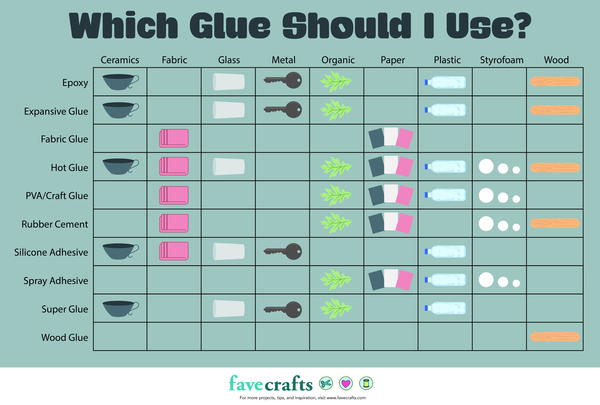
Different adhesives respond to different treatments. Identifying the glue type helps you choose the most effective strategy.
Super Glue (Cyanoacrylate)
Super glue hardens quickly and bonds instantly. For non-porous surfaces, apply pure acetone or acetone-based nail polish remover with a cotton swab. Let it sit for 5-10 minutes to weaken the bond, then gently scrape with a plastic putty knife.
For sensitive surfaces, use vegetable oil or mayonnaise instead. Dab on, wait 15-30 minutes, then wipe clean. Repeat if needed and clean residue with dish soap.
Warning: Acetone can strip wood finishes and dissolve some plastics. Always test first.
White Glue (PVA)
White glue dries clear and hard but remains water-soluble. Soak a cloth in warm soapy water and lay it over the glue for 10-20 minutes. Rub gently with a non-abrasive sponge and scrape softened glue with a credit card edge.
For stubborn residue, soak a paper towel in white vinegar, place it over the glue for 15 minutes, then wipe or scrub lightly.
Hot Glue
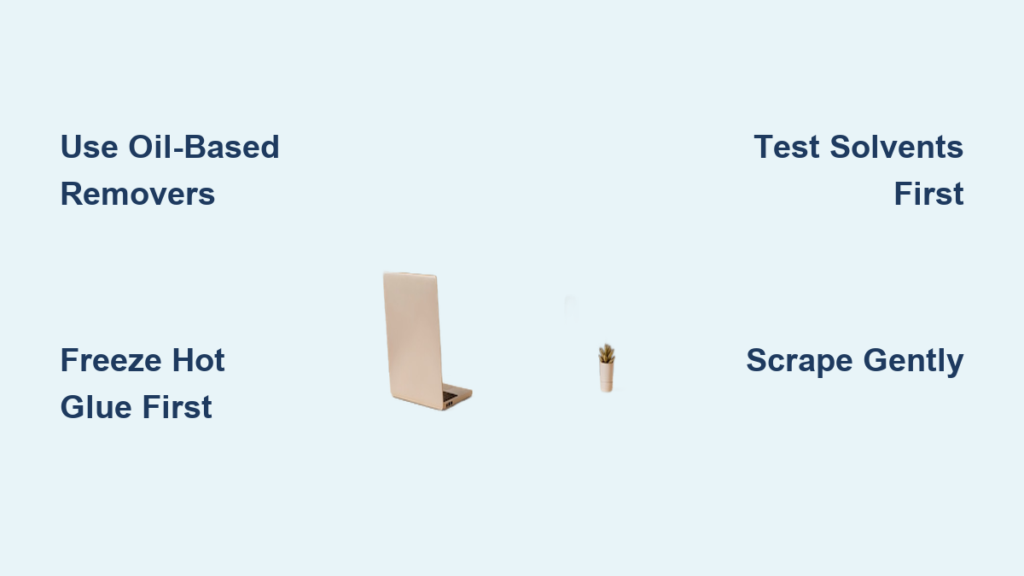
Hot glue is thick, rubbery, and thermoplastic. Wrap ice cubes in a cloth and press on the glue for 5-10 minutes. Once hardened, tap or pry with a plastic scraper—the glue should flake or snap away cleanly.
Alternatively, use a hairdryer on low heat for 1-2 minutes. While warm, lift the edge with a plastic card and wipe residue with rubbing alcohol.
Sticker and Tape Residue
Sticky film left behind after peeling stickers responds well to oil-based removers. Spread baby oil, petroleum jelly, or mayonnaise over the residue, wait 10-15 minutes, then wipe with a soft cloth.
Rubbing alcohol also works effectively. Dampen a cotton ball with 70% isopropyl alcohol and rub in circular motions. This safe method evaporates quickly and works on most surfaces.
Epoxy Resin
Epoxy is extremely strong and cures hard. It resists most solvents, so use denatured alcohol to slightly weaken the surface, then scrape cautiously with a plastic or metal tool. For large deposits, a Dremel with a sanding bit may be needed.
If epoxy bonds deeply, refinishing may be required. On wood, sand with 220+ grit and re-stain. On laminate, damage may be irreparable.
Safe Solvents for Wood Desks

Wood desks have porous surfaces with protective finishes. Oil-based treatments work best and preserve the finish.
Safe Options:
• Vegetable oil, olive oil, or mayonnaise
• Furniture polish (dissolves glue and restores shine)
• Rubbing alcohol (short contact only)
• Acetone (use sparingly with cotton swab—never soak)
Avoid: Prolonged water exposure and flooding the surface with acetone.
After removal, clean with a damp cloth, dry immediately, and restore with beeswax or wood conditioner.
Safe Solvents for Laminate Desks

Laminate desks resist moisture but can delaminate or bubble under heat or strong solvents.
Safe Options:
• Baby oil, hand lotion, or petroleum jelly
• White vinegar soak (10 minutes under damp cloth)
• Goo Gone (wipe off immediately)
• Hairdryer and plastic scraper
Avoid: Acetone, nail polish remover, steel wool, and razor blades. These can melt the laminate or cause permanent scratches.
Safe Solvents for Painted Metal Desks
Painted metal desks need gentle handling to preserve the paint finish.
Safe Options:
• WD-40 (spray, wait 5-10 minutes, wipe)
• Denatured alcohol or butane lighter fluid (apply with cloth)
• Plastic scraper
After cleaning, wash with soapy water, dry thoroughly, and apply automotive wax to restore shine.
Avoid: Acetone (dulls paint) and abrasive tools unless the paint is industrial-grade.
Safe Solvents for Plastic or Acrylic Desks
Plastic desks are chemically sensitive and can cloud, crack, or melt from harsh solvents.
Safe Options:
• Mineral oil or hand lotion
• White vinegar (10-minute soak)
• 70% rubbing alcohol (test first)
Avoid: Acetone, nail polish remover, gasoline, and bleach. These destroy plastic surfaces.
Safe Solvents for Glass-Top Desks
Glass is non-porous and scratch-resistant when handled correctly.
Safe Options:
• Petroleum jelly, cooking oil, or mayonnaise
• White vinegar (overnight cloth soak)
• Acetone or rubbing alcohol (test on edge first)
• Hot soapy water
Use a single-edge razor blade held at a 45-degree angle for precise removal. This tool is safe only on glass.
Step-by-Step Glue Removal Techniques
Start With Oil or Heat
Kitchen staples often work first. Apply vegetable oil, olive oil, mayonnaise, or baby oil. Wait 10-30 minutes, then wipe with a soft cloth. Clean residue with dish soap.
The iron trick works well on wood and laminate. Place a clean paper towel over the glue, set the iron to low heat (no steam), press for 20-30 seconds, then immediately lift the softened glue with a plastic scraper. Repeat as needed.
Scrape With the Right Tool
Start with a plastic putty knife, credit card, or gift card. These won’t scratch most surfaces and use low-angle, light pressure.
Upgrade only when necessary. Use a flexible rubber scraper for curved surfaces. A table blade (thin metal) works with caution. Reserve single-edge razors for glass only. A Dremel tool serves for final smoothing after glue removal.
Try Freezing for Hot Glue
Wrap an ice pack in a thin cloth and apply to glue for 5-10 minutes. Once brittle, tap or pry with a plastic scraper. Wipe residue with alcohol. This method works best on plastic surfaces and large hot glue blobs.
Use Solvents as Last Resort
Move to solvents only if mechanical methods fail. Apply acetone with a cotton swab (never flood the surface), allow 5-10 minutes dwell time, then wipe clean with soapy water.
Commercial options include Goo Gone (citrus-based and gentle), Goof Off (stronger for cured adhesives), and 3M Adhesive Remover (industrial strength).
Clean and Restore Your Desk After Removal
After glue removal, clean and condition to protect your desk.
Wash with mild soap. Mix dish soap and warm water, wipe the area with a soft cloth, then dry immediately with a lint-free towel.
Restore the finish based on your desk material. Apply furniture polish or beeswax to wood, automotive wax to metal, light polish to laminate, and glass cleaner to glass surfaces.
Prevent Future Glue Spills
Prevention saves time and effort. Place a desk mat or tray under glue work areas. Store glue bottles upright in sealed containers. Label and organize supplies to avoid accidents.
Keep clean-up kits nearby: cloths, a plastic scraper, and mild remover. Teach kids and coworkers proper glue handling.
When Professional Refinishing Is Needed
Sometimes removal causes cosmetic damage. On wood, lightly sand with 220+ grit paper, apply matching wood stain, and seal with varnish or polyurethane.
On laminate, use a touch-up pen for minor scratches. Bubbling or deep damage may require panel replacement. On glass, use polishing compound for fine scratches. Deep gouges may need professional attention.
For antique or high-value desks, consult a professional restorer before attempting DIY removal.
Key Takeaways for Removing Glue from Desk
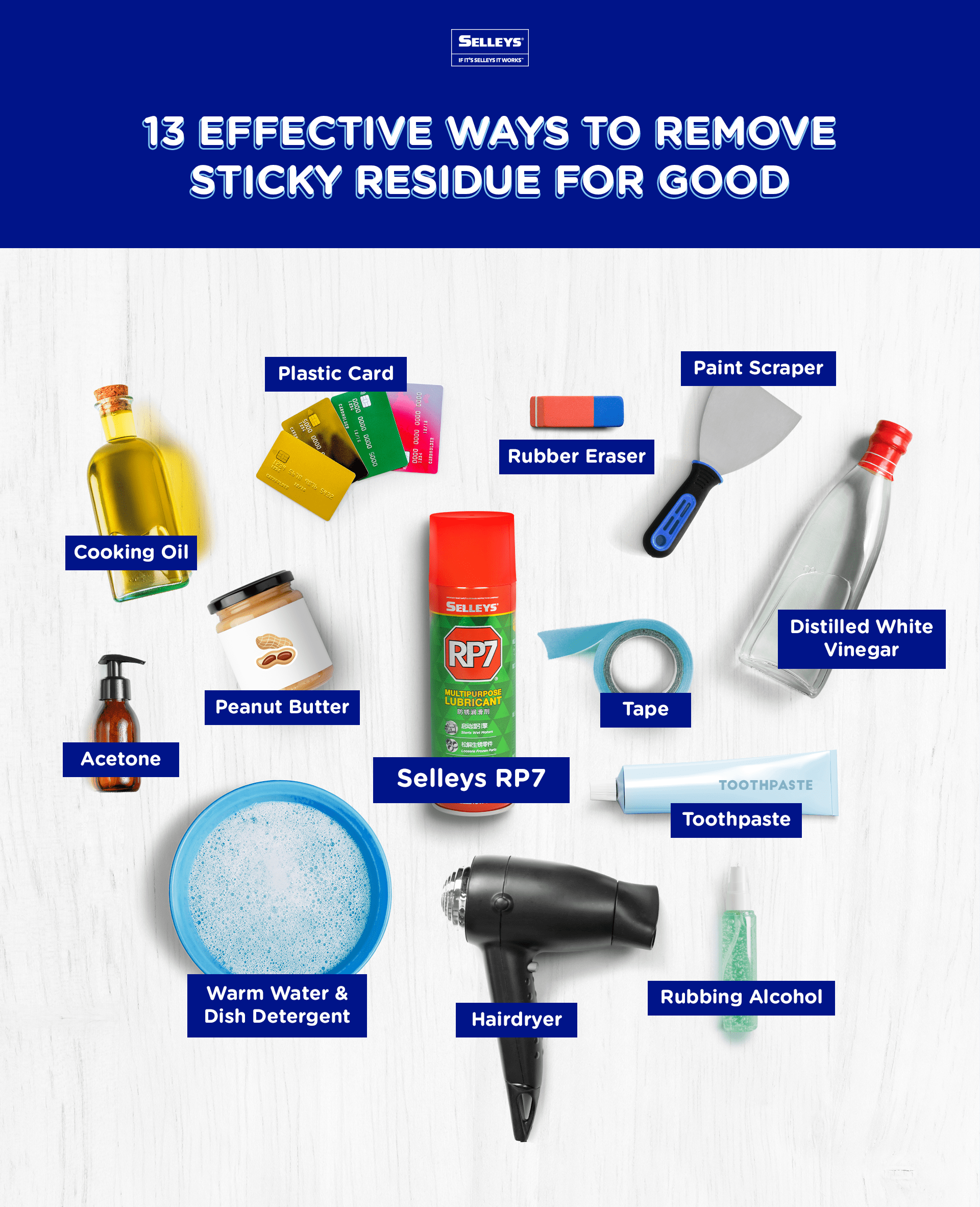
Removing glue from a desk is almost always possible with the right method. Start gentle—use oil, heat, or mechanical scraping before moving to solvents. Always spot-test any solvent on a hidden area first. Match your technique to both the glue type and desk material. Preserve the finish: it’s easier to protect than to repair. Work patiently, avoid aggressive scraping, and your desk can be restored to like-new condition.
Frequently Asked Questions About Removing Glue from Desk
What is the easiest way to remove super glue from a desk?
Apply acetone or acetone-based nail polish remover with a cotton swab. Let it sit for 5-10 minutes, then gently scrape with a plastic putty knife. Test first on sensitive surfaces.
Does mayonnaise really work to remove glue?
Yes. Mayonnaise is an oil-based treatment that penetrates and softens adhesive bonds. Apply, wait 10-15 minutes, then wipe clean. Users report success with sticker residue and light glue films.
Can I use acetone on a wooden desk?
Use acetone sparingly and with caution. Apply with a cotton swab (never soak), limit contact time, and test first on an inconspicuous area. Acetone can strip wood finishes.
How do I remove hot glue from a plastic desk?
Wrap ice in a cloth and apply to the glue for 5-10 minutes. Once hardened, the glue should snap or flake off when you pry with a plastic scraper. This avoids using solvents that could damage plastic.
What should I use on laminate desks?
Stick to gentle options: baby oil, hand lotion, white vinegar soak, or Goo Gone. Avoid acetone, steel wool, and razor blades, which can permanently damage the laminate surface.
How do I restore my desk after glue removal?
Clean the area with mild soap and water, dry thoroughly, then apply the appropriate conditioner. Use furniture polish or beeswax on wood, automotive wax on metal, and glass cleaner on glass surfaces.