You have found the perfect desk, but it will not fit in your home office. Perhaps it is too wide for the corner you need it in, or it does not fit under the window. Instead of returning it or settling for a poor fit, you can modify it yourself. Cutting a desk to size is a practical way to customize furniture for your space, ergonomics, or aesthetic.
This guide walks you through how to cut a desk safely and cleanly. You will learn to assess your desk material, choose the right tools, set up for a straight cut, avoid chipping, and finish the edge like a pro. We will also cover when to call a professional to avoid ruining an expensive piece.
Measure and Plan Your Desk Cut
Determine Final Dimensions
Before picking up any tool, decide exactly how much to cut. Use a tape measure to record current length and width, then calculate the target size based on your room layout or ergonomic needs.
Allow 73–76 cm (29–30 inches) for standard desk height. Desk depth should be 60–80 cm (24–32 inches) for comfortable arm support. For built-in or wall-mounted setups, leave a 2.5 cm (1 inch) overhang on front and sides.
Mark both ends of the intended cut line with a pencil. Double-check your measurements. Measure twice, cut once is not just a saying; it is the rule that saves projects.
Mark the Cut Line Accurately
Apply blue painter’s tape over the cut path on both top and bottom surfaces. This reduces chipping, especially on laminated or veneered desks. Draw the cut line sharply with a pencil or marking knife.
Use a speed square or framing square to ensure the line is perfectly perpendicular to the edge. For long cuts, align a straight edge guide with the marks and trace along it. Cut on the waste side of the line to preserve accuracy and account for blade width.
Identify Your Desk Material Before Cutting

Check for Hidden Hardware
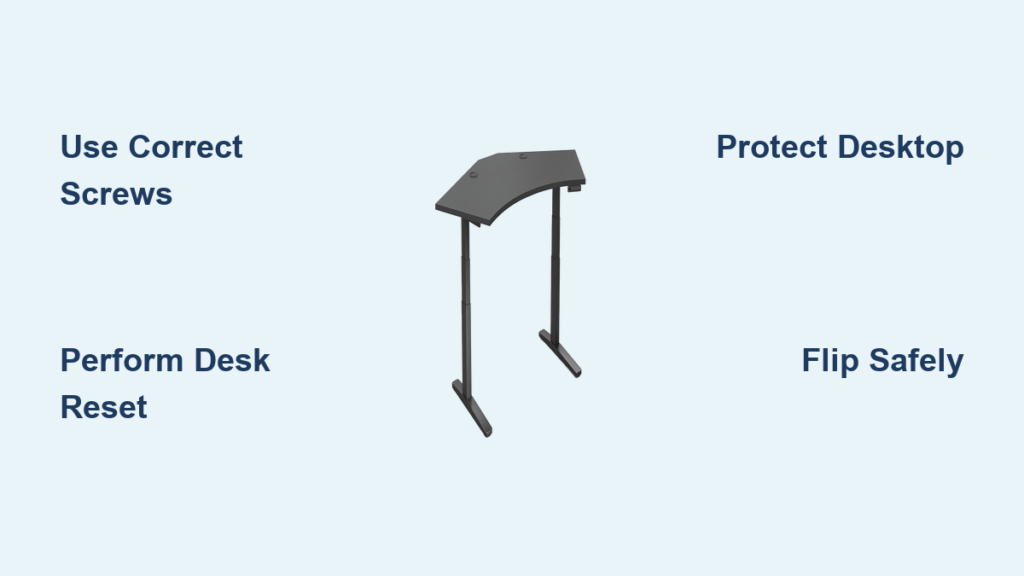
Flip the desk over and inspect the underside. Look for pre-drilled holes for legs or brackets, metal supports, cable grommets, or motor mounts in standing desks. Also check for drawer slides or apron attachments.
Cutting through hardware can ruin blades and cause kickback. If you are shortening the desk, ensure mounting points remain intact or plan to re-drill them. Never assume the desktop is solid. Some desks have hollow cores or layered construction that may splinter unpredictably.
Match Tools to Material Type
Your cutting method depends entirely on what the desk is made of.
Solid wood such as oak or walnut resists cutting but may splinter along the grain. Use a 40-plus tooth fine-tooth carbide blade. Laminated particleboard or MDF has high risk of chipping and delamination. Use a laminate-specific blade and score first. Veneered plywood may have surface peeling. Use a fine blade and cut from the bottom up. Finger-jointed wood risks tear-out at joints. Inspect grain direction and support well.
If the desk is antique or custom-built, disassemble drawers and legs first. Use an oscillating tool for precision near moldings or joints.
Choose the Right Saw for Clean Desk Cuts
Circular Saw with Guide
The circular saw is the most accessible and effective option for DIYers. It delivers clean, straight cuts when paired with a clamped straight edge.
Use a fine-tooth blade with 40 or more teeth. Clamp a long, straight board parallel to the cut line. Ensure the saw base rides flush against the guide for perfect alignment. Most circular saws have a depth adjustment. Set the blade so it extends no more than 6 mm (1/4 inch) below the desk to minimize tear-out.
Track Saw for Flawless Results
For high-end desks especially solid wood or laminates, a track saw is ideal. It runs along a guide rail, eliminating wobble and delivering splinter-free edges.
No need for extra clamping of the workpiece. Just secure the rail. This tool is best for wide crosscuts and repeat accuracy. Rent one from a hardware store if you do not own it.
Table Saw for Workshop Use
If you can move the desk to a workshop, a table saw with a sliding fence offers unmatched precision. It is ideal for rip cuts lengthwise.
Support long overhangs with roller stands. Use push sticks for safety near the blade. This option is not practical for assembled desks or home users without shop access.
Set Up a Straight Edge Guide for Precision
Support the Workpiece Properly
Never let the offcut hang during the cut. Sagging causes jagged edges and increases kickback risk.
Place sawhorses or a workbench under both sides of the cut line. For laminated or MDF desks, lay 1-inch foam insulation board underneath to absorb blade exit and prevent bottom-face tear-out. The cut should pass cleanly through supported material with no bouncing or flexing.
Install and Clamp the Guide
Clamp a straight board, level, or track rail to the desk, aligned with your marked line. Use a speed square to verify a 90-degree angle between guide and edge.
Clamp the guide, not the workpiece. This avoids interference with the saw motor. Check that the saw base and motor clear all clamps during the full pass.
Execute the Cut Without Splintering

Score the Surface First
For laminated, veneered, or particleboard desks, score the cut line with a utility knife before sawing. Press firmly along the tape line to create a clean groove. This breaks the surface fibers and prevents chipping during the cut.
Cut from the Bottom Up
Run the saw so the blade enters from the underside of the desk. Since the top surface is usually finished, cutting upward minimizes visible splintering.
Flip the desk upside down if needed. Keep the power cord clear of the cut path. Let the blade reach full speed before contact. This prevents binding and kickback.
Maintain Control During the Cut
Apply steady, moderate pressure. Do not force the saw. Let the blade do the work. Pushing too hard increases friction and creates rough edges.
Support the offcut as you near the end to prevent it from falling and tearing the edge. Stand slightly to the side of the blade path to avoid injury if kickback occurs.
Finish the Cut Edge Professionally
Sand for Smoothness
After cutting, sand the new edge starting with 120–150 grit sandpaper. Progress to 220 grit, then 300 grit for a glass-smooth finish. Use a sanding block to keep the edge flat and even.
Fill any chips or gaps with stainable wood filler. Let it dry completely, then sand again before applying finish.
Shape the Edge
Use a router with a bearing-guided bit to soften the edge. A round-over bit creates a smooth, factory-like finish. A chamfer bit provides a modern beveled look. This step elevates the appearance and mimics high-end furniture.
Stain and Seal to Match
If the desk is unfinished or you want to blend the cut edge, apply wood stain with a cloth or brush. Wipe off excess and let dry before adding a second coat.
Seal with Minwax Polycrylic for a water-based finish that will not yellow. Alternatively, use polyurethane for durability with a slight amber tone. Apply three to four thin coats, lightly sanding with 220–300 grit between layers. Test stain and finish on a scrap piece or hidden area first.
Special Desk Modification Projects
Convert a Desk into Two End Tables
Want to repurpose a large desk? Cut it in half lengthwise or widthwise to create two matching nightstands.
Mark the centerline precisely. Cut through desktop and frame if attached. Each half should retain structural support and drawer functionality. Add new handles or metal edging for a modern touch.
Create a Wall-Mounted Floating Desk
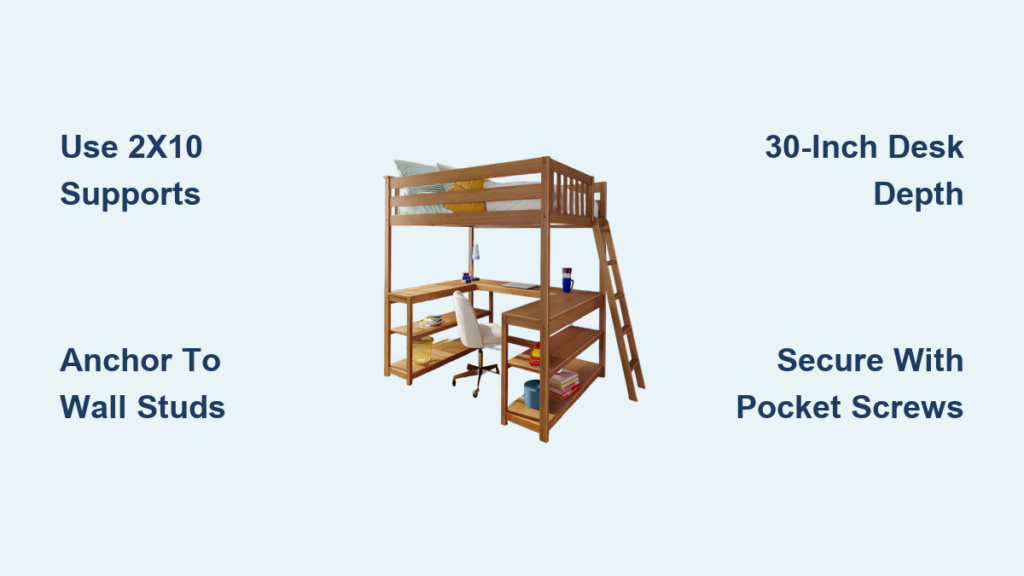
Cut the desk in half lengthwise to make a narrow floating unit. Reinforce the back edge with wall cleats or L-brackets. Mount securely into studs. This is ideal for small apartments or minimalist spaces. Leave a 1-inch front overhang for legroom and visual balance.
Modify a Standing Desk
If cutting a height-adjustable desk, confirm motor mounts and leg adjusters will not be damaged. Re-drill mounting holes after cutting if needed. Test leg alignment and stability before final assembly. Cutting too close to motors may void the warranty or impair function.
When to Hire a Professional
Consider Outsourcing If
The desk is made of expensive solid wood such as walnut, teak, or maple. It has laminated or veneered surfaces prone to chipping. You lack tools, space, or confidence. You want flawless, factory-grade results.
Where to Get Help
Local cabinet makers or kitchen/bath fabricators often have panel saws or track saws. Makerspaces or woodworking guilds offer tool access and expert guidance. Some hardware stores cut lumber but may refuse finished tops. Specialty suppliers offer custom cuts.
Professional cutting typically costs under $50. This is worth the investment to avoid ruining a valuable piece.
Safety Gear You Need for Desk Cutting
Wear Proper Protective Equipment
Safety glasses are non-negotiable for eye protection. Hearing protection is essential. Circular saws are loud. Use earplugs or earmuffs. A respirator or dust mask is critical when cutting MDF or laminates. Wear tight-fitting clothes and avoid loose sleeves or jewelry.
Avoid bulky gloves that could catch in the blade.
Maintain Tool Safety
Use a sharp blade. Dull blades bind and increase kickback. Confirm blade depth is minimal, only 6 mm below material. Let the blade reach full speed before cutting. Wait for the blade to stop completely before setting the saw down.
Secure Your Environment
Work in a well-lit, clutter-free area. Keep bystanders and pets at a safe distance. Use a shop vacuum or dust extractor to minimize mess and improve visibility.
Frequently Asked Questions About Cutting a Desk
Can I cut a desk with a regular circular saw?
Yes, a circular saw is the most commonly recommended tool for DIY desk cutting. Use a fine-tooth blade with 40 or more teeth and clamp a straight edge guide to ensure a clean, straight cut.
How do I prevent chipping when cutting laminated desks?
Apply blue painter’s tape over the cut line before marking. Score the cut line with a utility knife before sawing. Cut from the bottom up so the blade enters the underside first. These steps significantly reduce chipping on laminated surfaces.
Should I cut on the waste side of the line?
Yes, always cut on the waste side of the line. This preserves accuracy and accounts for the blade width, known as kerf. Leave the marked line intact as your reference.
Can I cut a standing desk to make it shorter?
Yes, but verify that motor mounts and leg adjusters will not be damaged. Re-drill mounting holes after cutting if needed. Test leg alignment and stability before final use.
How much does professional desk cutting cost?
Professional cutting typically costs under $50. Some local shops may charge a small fee or accept barter such as $25 plus a six-pack of beer.
What is the best way to finish a cut desk edge?
Sand starting with 120–150 grit, progress to 220, then 300 grit. Fill any gaps with stainable wood filler. Apply wood stain to match, then seal with three to four thin coats of polyurethane or polycrylic.
Key Takeaways for Cutting Your Desk
Cutting a desk is a practical, rewarding project when done right. Accurate measuring and planning are the foundation of success. Choose tools based on your desk material and always use a guide for straight cuts.
Support the workpiece on both sides of the cut line. Score laminated surfaces before cutting and cut from the bottom up to minimize splintering. Sand, shape, and seal the edge for a professional finish.
For solid wood or high-end materials, professional cutting is often the smarter choice. But for most laminated or particleboard desks, a circular saw with a clamped guide and careful preparation will deliver excellent DIY results. With attention to detail, no one will guess the desk was not made to fit your space originally.